Post by : Bianca
Haleem
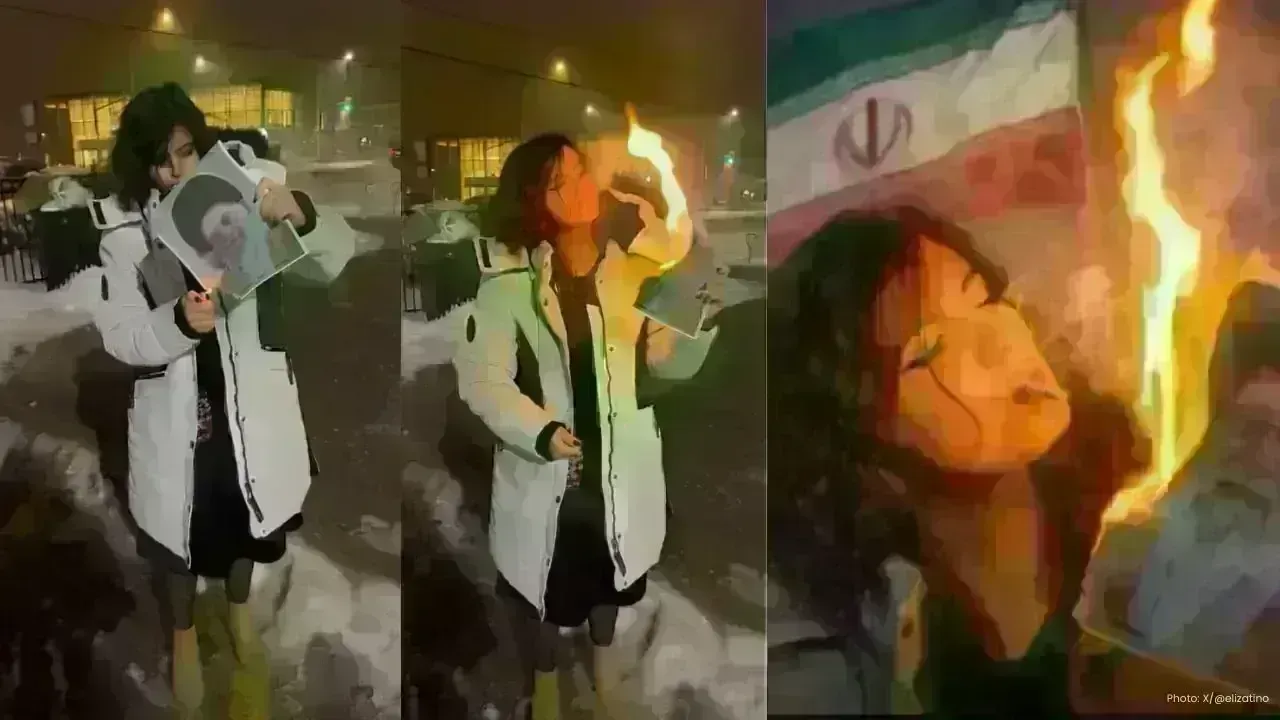
Protests in Iran escalate as public sentiment against the regime grows, capturing global attention and eliciting urgent reactions from world leaders. Striking images of Iranian women igniting cigarettes with the flames of Supreme Leader Ayatollah Ali Khamenei’s burning images have gone viral, symbolizing their resistance to state authority.
Initiated in late December, these demonstrations represent a significant challenge to Iran’s clerical leadership since the 1979 Islamic Revolution. Originally sparked by grievances over soaring food prices and high inflation, protests have now evolved into widespread political dissent, with crowds voicing anti-government slogans in multiple cities.
A Tehran physician cited by TIME Magazine reports that at least 217 individuals have died, according to data from merely six hospitals, with many fatalities attributed to live fire, raising alarms over state-sanctioned violence. In response, authorities have imposed a nationwide internet blackout, cutting off telecommunications, a decision widely condemned by human rights advocates.
Amnesty International labeled the internet blackout as an attempt to obscure human rights abuses, while NetBlocks criticized it as an infringement on civil liberties. Despite the restrictions, unverified footage continues to surface, depicting women publicly incinerating their headscarves and mocking state-imposed social regulations.
Burning images of the Supreme Leader constitutes a serious offense under Iranian law. Additionally, public smoking by women has faced longstanding prohibitions in many regions. By merging these acts, demonstrators are overtly confronting political authority and entrenched societal norms—tactics reminiscent of the protests that followed Mahsa Amini’s death in police custody in 2022.
In the Sa’adat Abad neighborhood of northern Tehran, residents echoed their dissent by banging pots from balconies and chanting slogans against Khamenei, signaling solidarity with protesters. In return, the Supreme Leader dismissed them as “vandals” and “saboteurs,” attributing the unrest to foreign meddling.
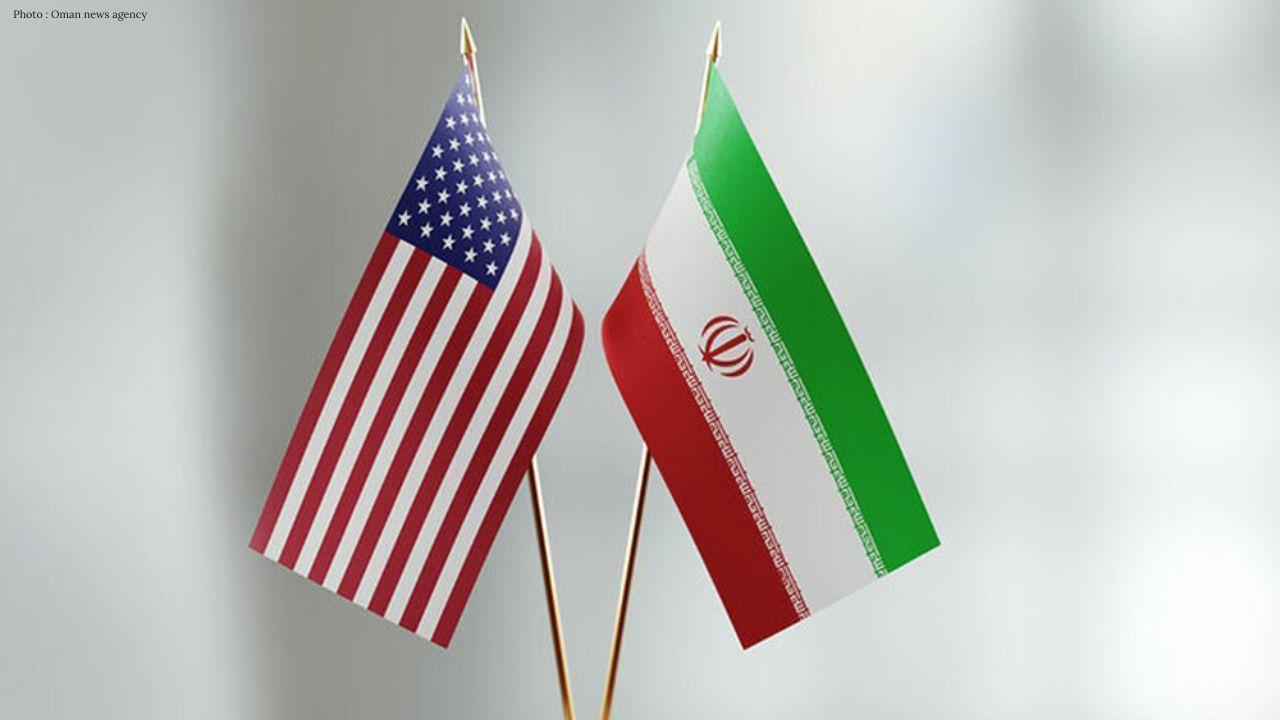
U.S. President Donald Trump remarked that the Iranian leadership seems to be facing serious issues, suggesting that demonstrators are starting to gain control of previously secure areas. Khamenei responded by denouncing the U.S. as arrogant and forecasting Trump’s political demise.
Meanwhile, France, the U.K., and Germany collectively condemned the killing of protesters, urging Iranian authorities to exercise restraint as scrutiny of the situation intensifies internationally.


 English