Post by : Shakul
Vietnam’s Ministry of Health has introduced a draft decree aimed at bolstering the regulation and oversight of cosmetic products nationwide. This regulation is currently available for public feedback and is set to replace Decree No. 93/2016/ND-CP, targeting outdated regulations and aligning cosmetic safety measures with international standards.
The Ministry has identified several shortcomings in existing cosmetic regulations, which have proven too broad and lacking in specific guidance regarding key areas such as production protocols, sampling methods, product testing, and market supervision.
Additionally, some cosmetic management rules have been deemed obsolete or conflicting with other legal structures. Current practices involving pre-declaration, advertising approvals, and labeling requirements are thought to impose unnecessary administrative hurdles on businesses, failing to reflect the latest technological advancements and global management trends.
The new decree aims to streamline administrative steps while enhancing post-market inspections and safety monitoring. It proposes clearer regulations on prohibited and restricted substances in line with the ASEAN Cosmetics Agreement, alongside new inspection frameworks for manufacturing sites holding Certificates of Eligibility for Production and Cosmetic Good Manufacturing Practice certifications.
Under the proposed guidelines, all cosmetics available in Vietnam will need to meet stringent safety criteria regarding human health under normal usage conditions. Products must also adhere to guidelines concerning heavy metals, microbial limits, impurities, and ingredients as set out by ASEAN standards. Companies are responsible for providing scientific evidence supporting product quality, safety, and efficacy.
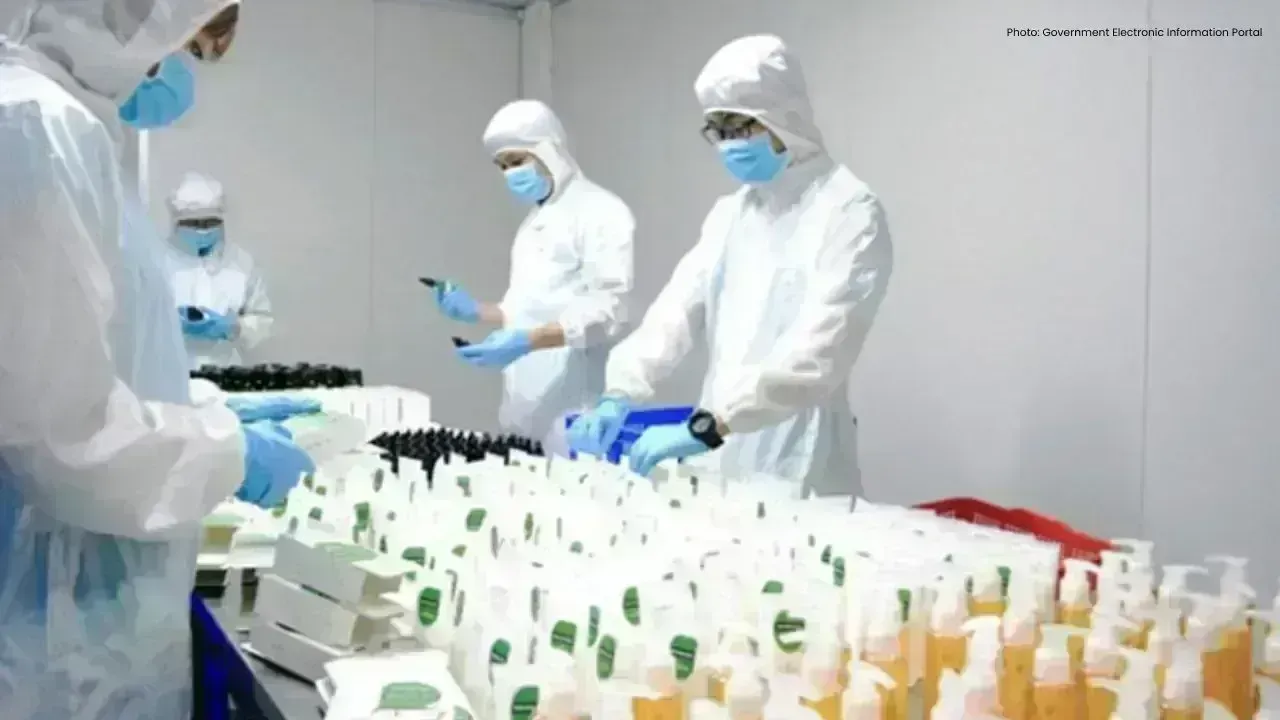
To enhance the regulation of cosmetic manufacturers in Vietnam, the Ministry plans to unify the process for acquiring Certificates of Eligibility for Cosmetic Production and CGMP certifications, effectively reducing redundant procedures while raising production quality standards and boosting international competitiveness.
Companies will be required to maintain ongoing compliance with CGMP standards in their operations, facing periodic or risk-based inspections every three to five years. Facilities not adhering to safety regulations could encounter suspensions, certificate cancellations, or product recalls depending on the infraction severity.
Officials are optimistic that the updated regulations will modernize Vietnam’s cosmetics sector, enhance consumer protections, attract foreign investment, and facilitate deeper integration into ASEAN and global cosmetic markets. The Ministry of Health continues to solicit public input before finalizing the proposed decree.


 English