Post by : Shakul
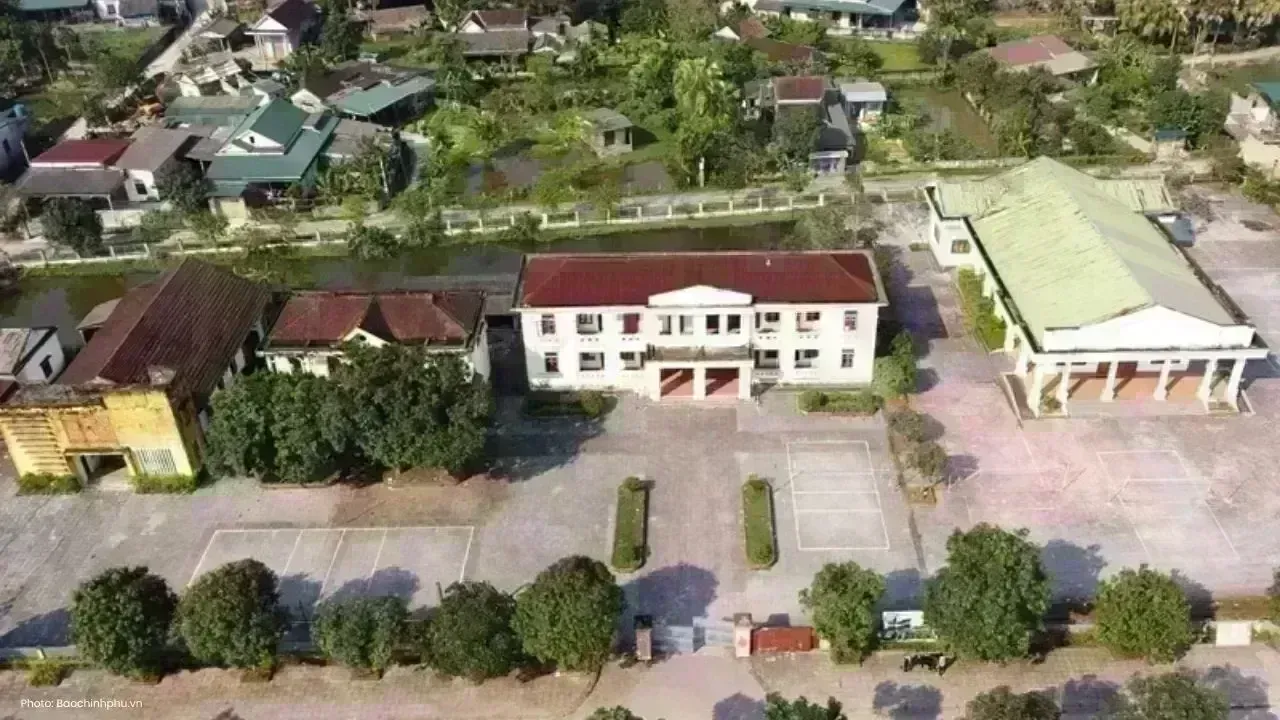
The Ministry of Finance in Vietnam is crafting a draft resolution aimed at establishing clear mechanisms for the management of surplus housing and land nationwide. This initiative arises from ongoing efforts to overhaul the administrative framework and optimize the organizational structure within the country, resulting in significant unused public assets.
The central objective of this proposed resolution is to facilitate the efficient management and utilization of surplus land and housing. Officials contend that idle public assets should be promptly repurposed to enhance efficiency and bolster development at both local and national scales.
Included in the draft are comprehensive strategies for managing public housing and land that are no longer deemed suitable for residential use. These properties might be assigned to local housing management bodies, which would be charged with ensuring their appropriate use and development in accordance with legal stipulations.
The policy also takes into account the surplus assets resulting from the reorganization of administrative divisions. In these cases, properties can be handed over to local governments for management without the need for extensive approval processes, thereby expediting decision-making.
When land is designated for communal purposes such as parks or recreational spaces, structures that are no longer suitable may be demolished, even if they are still functional or not completely depreciated. This step is aimed at maximizing land effectiveness for the community's benefit.
The draft further delineates that when surplus land is utilized for public services, defense, or security, planning revisions will trigger only post-official decisions. This mechanism is expected to facilitate quicker project rollouts by eliminating planning delays.
In scenarios where land is leased or assigned to individuals or firms, these parties will be obligated to cover the remaining value of any buildings and assets tied to the land. This ensures that the State retrieves value from public assets while enabling productive utilization.
The policy additionally addresses situations where buildings are situated on land owned by third parties. If the landowner requests their assets be returned, they can reclaim them by compensating for the remaining value. Conversely, if they opt not to retain the assets, the managing authority may demolish them and return the land.
Ultimately, this draft resolution aims to forge a more transparent and efficient system for managing surplus land and housing in Vietnam, working to curtail waste, enhance asset utilization, and foster economic and social progress in the context of ongoing administrative reforms.


 English