Post by : Saif
Al-Najjar
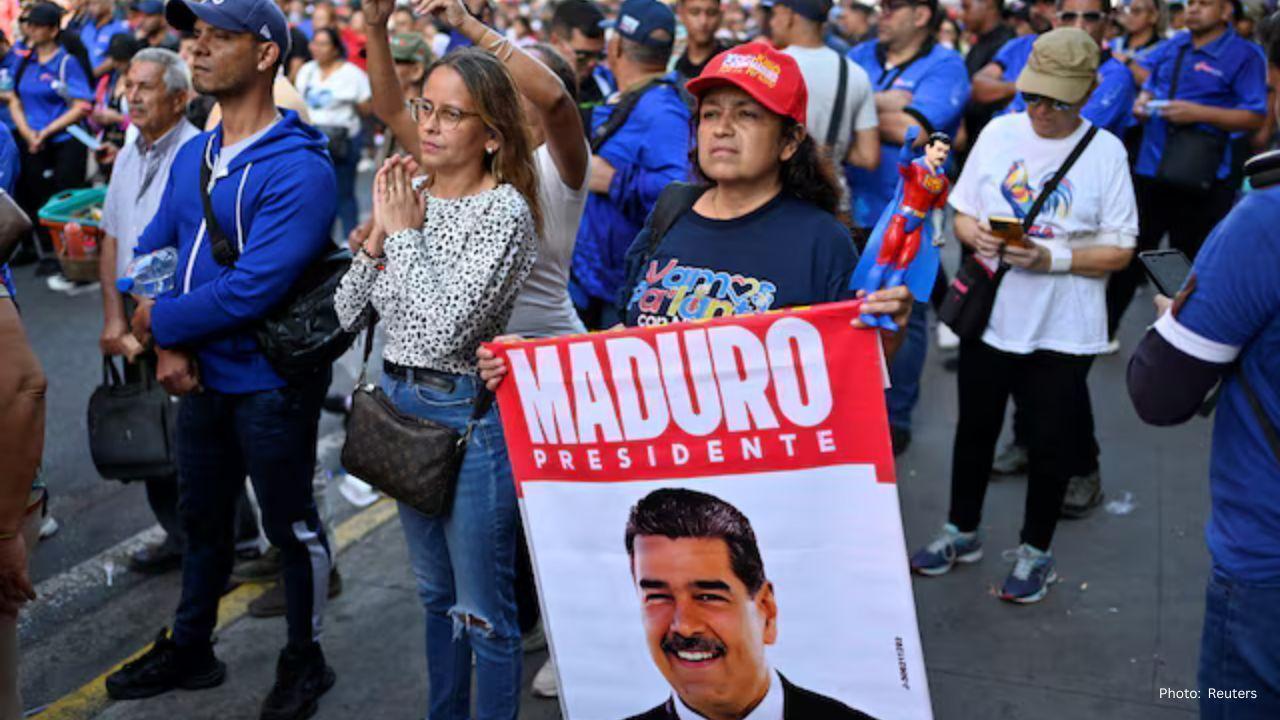
In Caracas, Venezuela, more than a dozen journalists faced detention while covering critical political events. This incident unfolded amidst heightened tensions, as supporters of former President Nicolas Maduro took to the streets for a march coinciding with the swearing-in of the new national legislature.
As reported by the national press association, 14 media professionals were apprehended on Monday. These individuals were engaged in reporting on public protests and official gatherings tied to the nation’s shifting political dynamics. By the end of the day, all were released, although one foreign journalist was expelled from the country.
The press association highlighted that the majority of the detainees worked for international media outlets, with one affiliated with a local organization. This situation has raised alarms among press freedom advocates, given the crucial role international journalists often play during political upheaval.
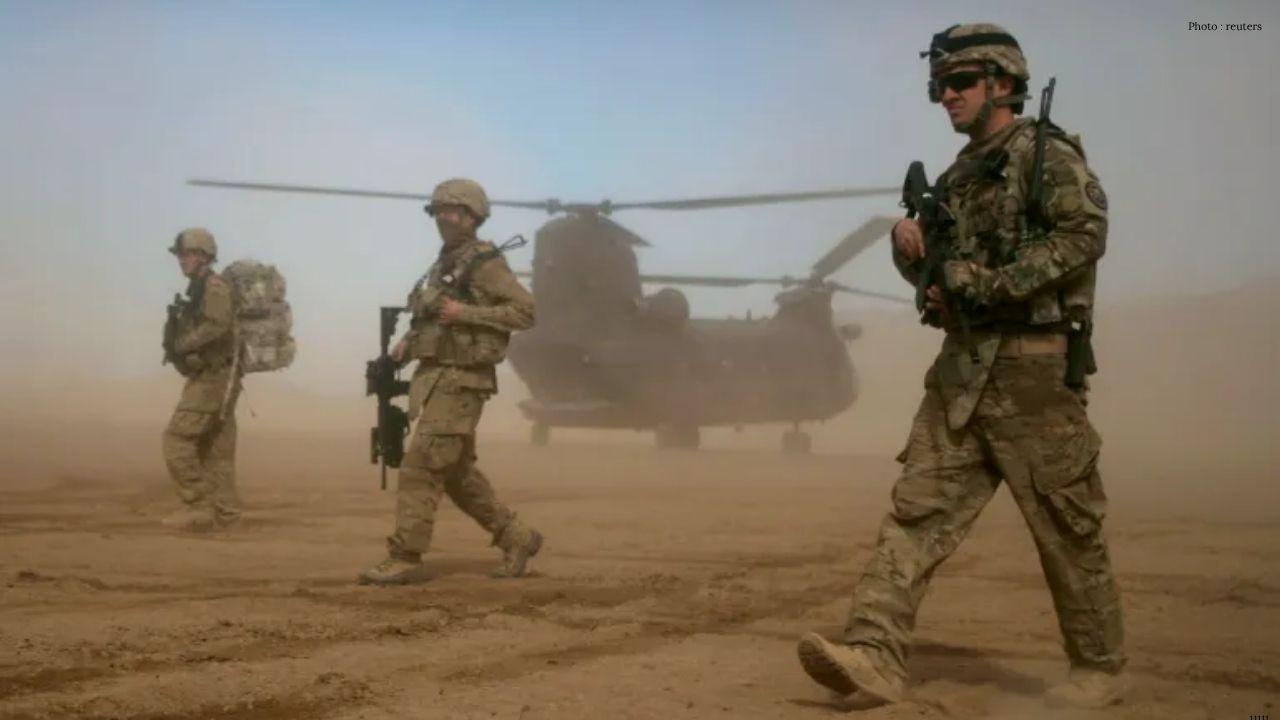
These detentions occurred shortly after a significant event in Venezuela’s ongoing political saga. Over the weekend, U.S. military personnel detained Nicolás Maduro in a nighttime operation. On Monday, he faced a New York court, pleading not guilty to narcoterrorism charges. This backdrop of tension has only increased volatility within Venezuela.
Security forces were on heightened alert during the Caracas demonstrations. Journalists reported facing scrutiny, searches, and brief detentions while carrying out their duties. While most were ultimately granted permission to continue or were permitted to leave, this episode has ignited discussions about the safety of reporters in the region.
Reuters stated it couldn't independently verify all detentions reported. Venezuela’s ministry for information and communications did not respond to inquiries about the reasons for the media personnel's detention. Major global news outlets also hesitated to confirm if their staff were among those apprehended.
Press freedom advocates warn that even temporary detentions can create a chilling atmosphere. When journalists fear arrest or expulsion, they may hesitate to cover vital stories, restricting public access to information, particularly during pivotal political transitions.
Venezuela has a troubled history concerning press freedom, with critics asserting that reporters frequently experience pressures, constraints, or legal reprisals for addressing delicate issues. Conversely, government supporters argue that security measures are essential during turbulent times. Yet, international watchdogs emphasize that safeguarding journalists is crucial for upholding transparency and democratic values.
The recent detentions, albeit brief, underscore the precarious nature of press freedom in Venezuela. As the nation navigates a significant political shift, the treatment of journalists will be a focal point of scrutiny both domestically and internationally.


 English