Post by : Shweta
In a strategic move to boost global health engagement, the United States has finalized a significant health pact with Tajikistan as part of the Trump administration’s America First Global Health Strategy. This landmark agreement signifies the inaugural health cooperation between the two nations within the South and Central Asia region, underscoring the commitment to fortify healthcare systems and curb infectious diseases.
As per a statement from Thomas "Tommy" Pigott, the Memorandum of Understanding (MOU), which was signed on April 6, is intended to enhance Tajikistan's abilities in disease detection, reporting, and response, while safeguarding public health interests in the U.S. This initiative is aligned with a broader vision to strengthen global health security and minimize the risk of transnational disease outbreaks.
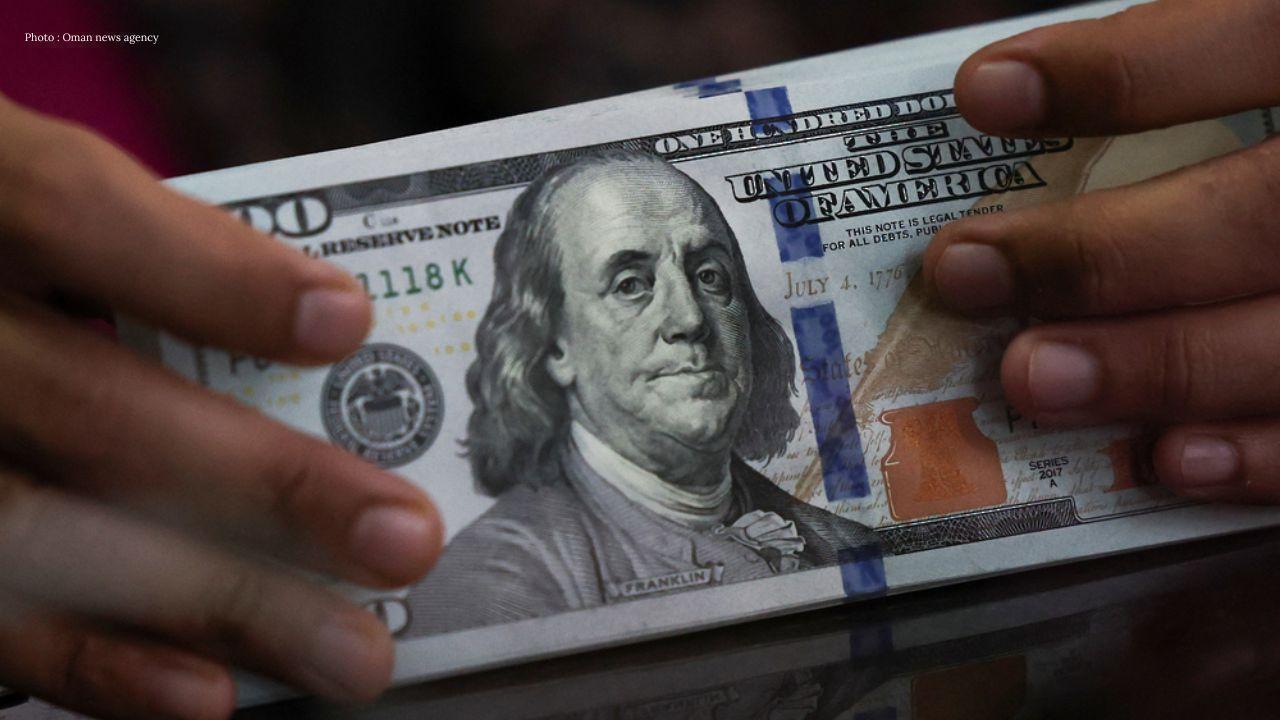
The partnership, valued at around $78 million, includes an investment of $38 million from the United States over the next five years. These financial resources will primarily aid initiatives to combat critical infectious diseases like HIV/AIDS and tuberculosis, especially drug-resistant variants. Concurrently, Tajikistan will allocate $40 million from its own budget, signifying its commitment to cultivating a sustainable healthcare system.
A pivotal aspect of this collaboration is the establishment of a modernized, integrated national health system in Tajikistan. This system is designed to address and manage disease outbreaks swiftly by enhancing surveillance networks, laboratory capabilities, and inter-agency coordination. These advancements are aimed not only at reinforcing Tajikistan’s healthcare framework but also at improving regional response to health emergencies.
The United States asserts that these global health investments also align with its broader economic and strategic goals. A healthier Central Asian region is vital for protecting international supply lines and fostering favorable conditions for American enterprises abroad. Furthermore, such collaborations strengthen diplomatic relations and reaffirm the U.S.'s position as a global leader in health and development.
This accord is part of a wider initiative, with the United States having entered similar agreements with several nations across Africa, Asia, and Latin America. Collectively, these partnerships embody a multi-billion-dollar investment aimed at tackling diseases such as HIV/AIDS, malaria, and tuberculosis, while fostering more robust healthcare systems on a global scale.


 English