Post by : Bianca
Haleem
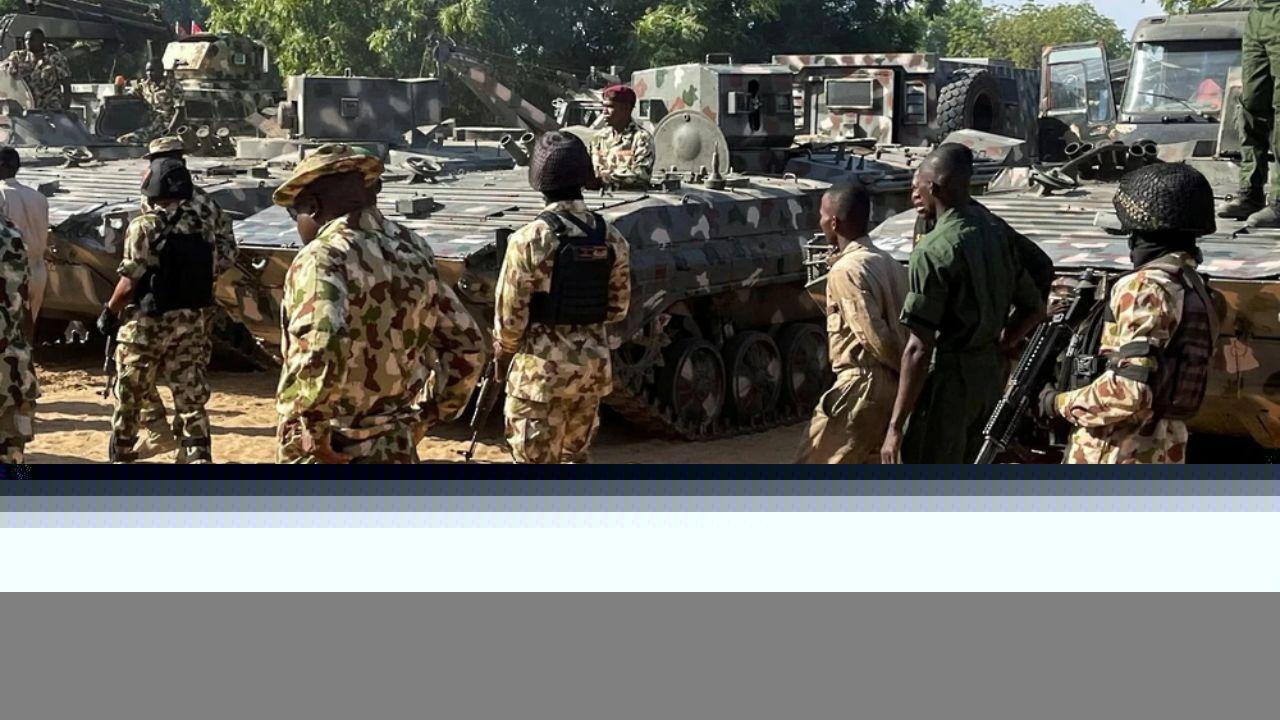
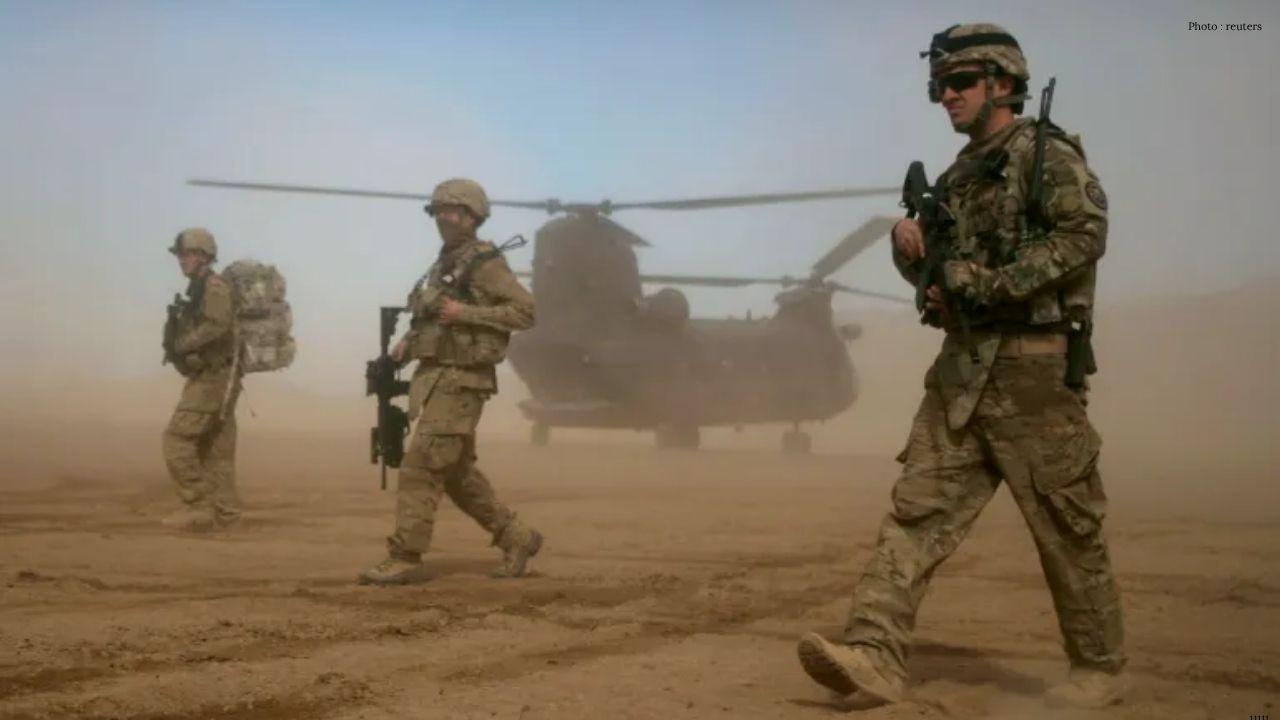
The United States carried out its first airstrikes in the Middle East on Wednesday since suspending its bombing campaign last week. The operation was conducted jointly with Saudi Arabia and targeted Iran-backed armed groups in Iraq.
The military action came as Iran rejected an Omani proposal aimed at managing the Strait of Hormuz. At the same time, Tehran said it had launched attacks on ships in the strategic waterway and fired missiles at US military bases in Jordan.
The renewed fighting pushed global oil prices higher, reflecting concerns that the conflict between the United States, Israel and Iran could continue without a quick resolution.
Read More: DIFC Tops 10,000 Companies as Dubai Strengthens Financial Hub
Joint Operation Targets Iran-Backed Groups in Iraq
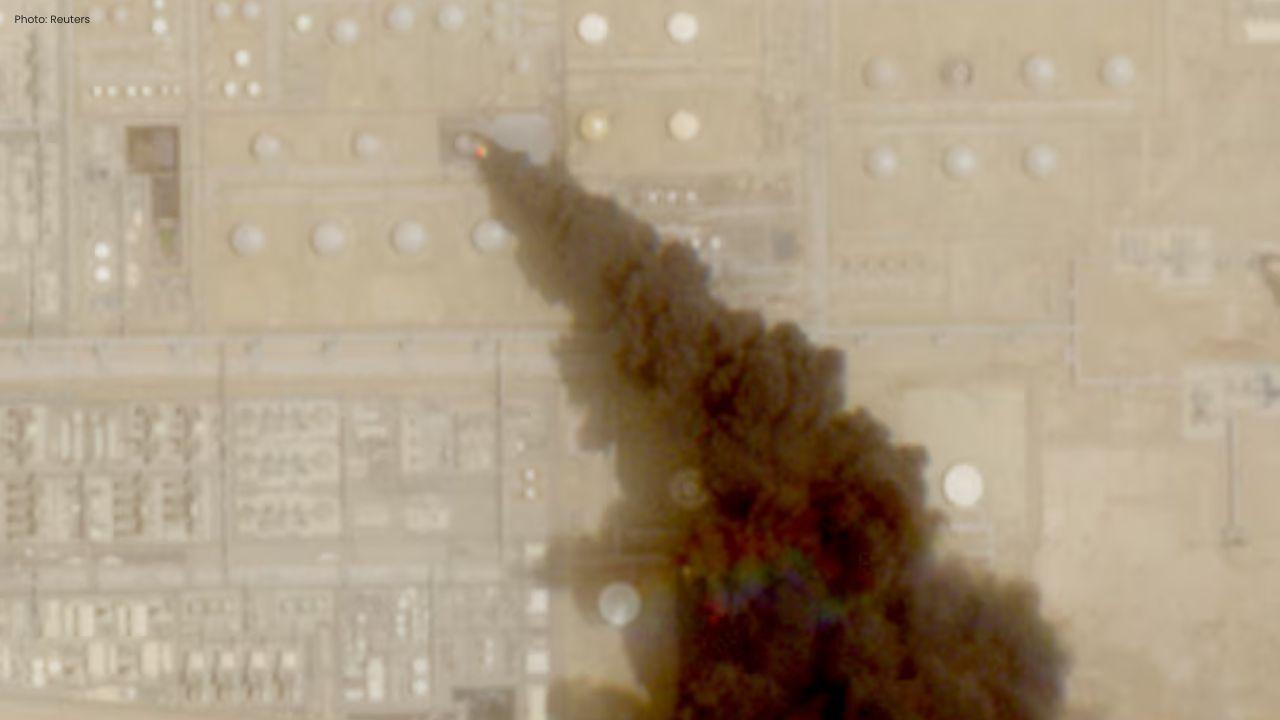
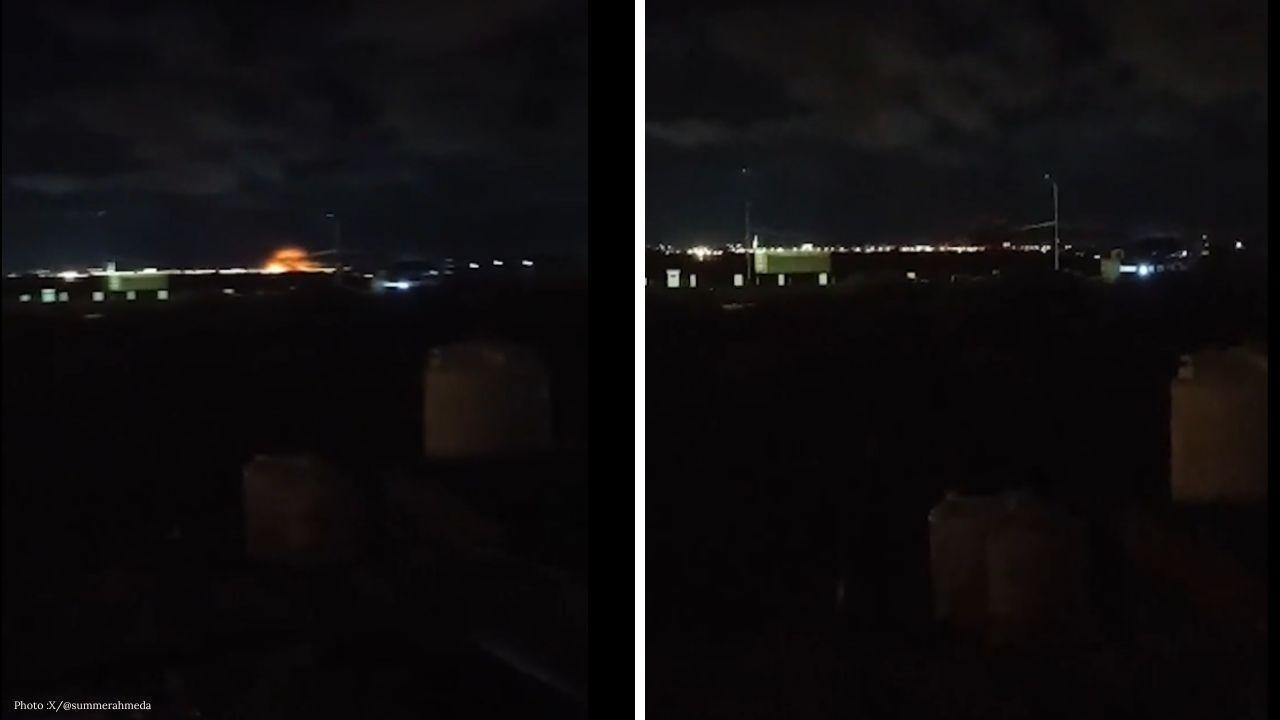
Washington and Riyadh said the strikes were carried out in response to recent drone attacks on Saudi oil facilities.
Iraq's Popular Mobilisation Forces (PMF), Iran-backed paramilitary groups that are officially part of Iraq's security forces, said the attacks hit several of their bases across the country.
According to the PMF, at least 20 members were killed and 32 others were wounded in the joint US-Saudi strikes.
The operation marked the first major US military action in the region since President Donald Trump suspended an intensive 13-day bombing campaign last Friday after military commanders advised that the strategy had reached its limits.
Saudi Arabia Publicly Joins Military Action
The joint strikes also marked a significant development in the conflict, as Saudi Arabia publicly confirmed its participation in military operations alongside the United States for the first time during the current war.
The move could broaden the conflict by opening another front involving Saudi Arabia against Iran-backed Shi'ite groups.
Following the attacks, Iraq's Shi'ite-led government called an emergency meeting. Baghdad has maintained military and diplomatic ties with both Iran and the United States, while Washington has repeatedly urged Iraq to curb the activities of Iran-backed paramilitary groups. Previous efforts to do so have triggered domestic unrest.
Iran, Jordan Report New Missile Attacks
Saudi Arabia has also faced growing pressure from another Iran-aligned group. Last week, Yemen's Houthi movement announced a blockade of Saudi oil exports through the Red Sea and launched attacks on ships and oil facilities.
Earlier on Wednesday, before the joint strikes in Iraq, the US military said its air defence systems successfully stopped a surprise Iranian missile attack targeting American troops in the region.
Jordan's military said its air defences intercepted and destroyed five Iranian missiles.
Iran's Revolutionary Guards stated that they had fired several ballistic missiles at US military installations in Jordan. The Guards also claimed responsibility for striking three tankers that were travelling through the Strait of Hormuz using what Iran described as an unauthorised route.
Jordan has become one of the main locations targeted by Iran. Three of the four US service members killed earlier this month died in Jordan.
Iran Rejects Oman's Strait of Hormuz Proposal
Fighting resumed this month after a US-Iran agreement reached in June on a framework to end the war collapsed over disagreements concerning the future control of the Strait of Hormuz.
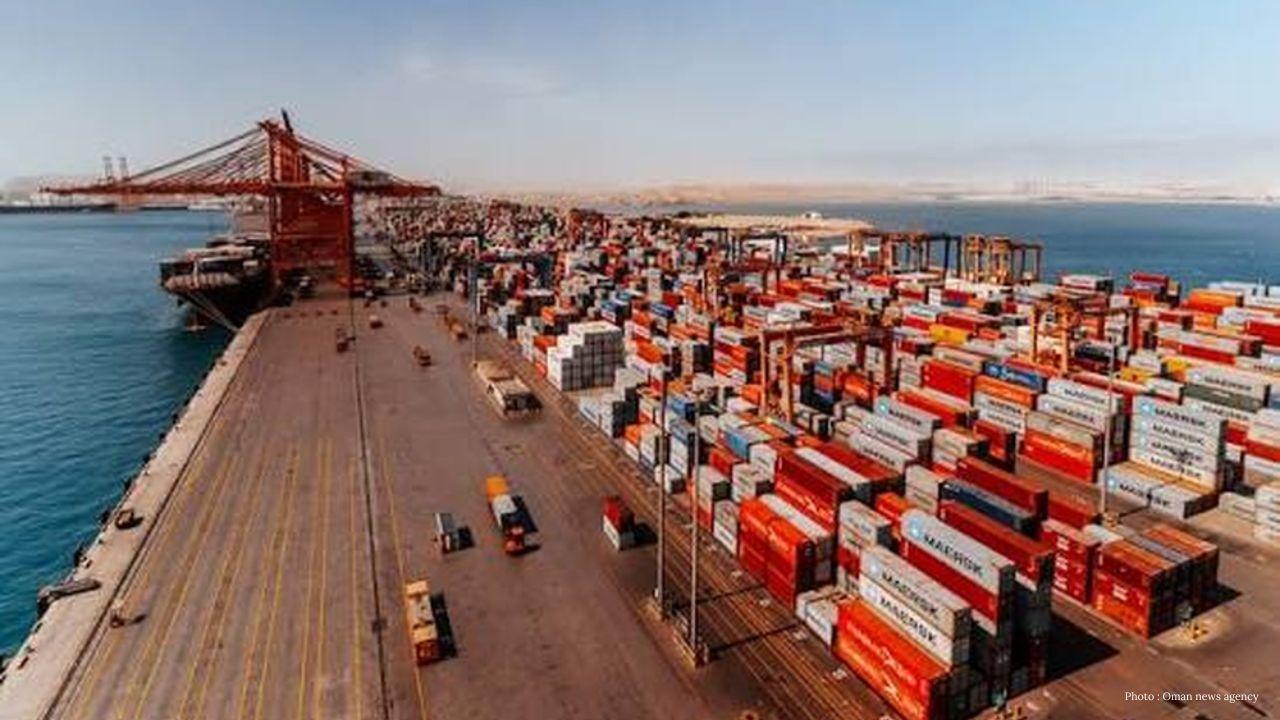
Iran says it controls the strategically important waterway and plans to collect fees from vessels using it.
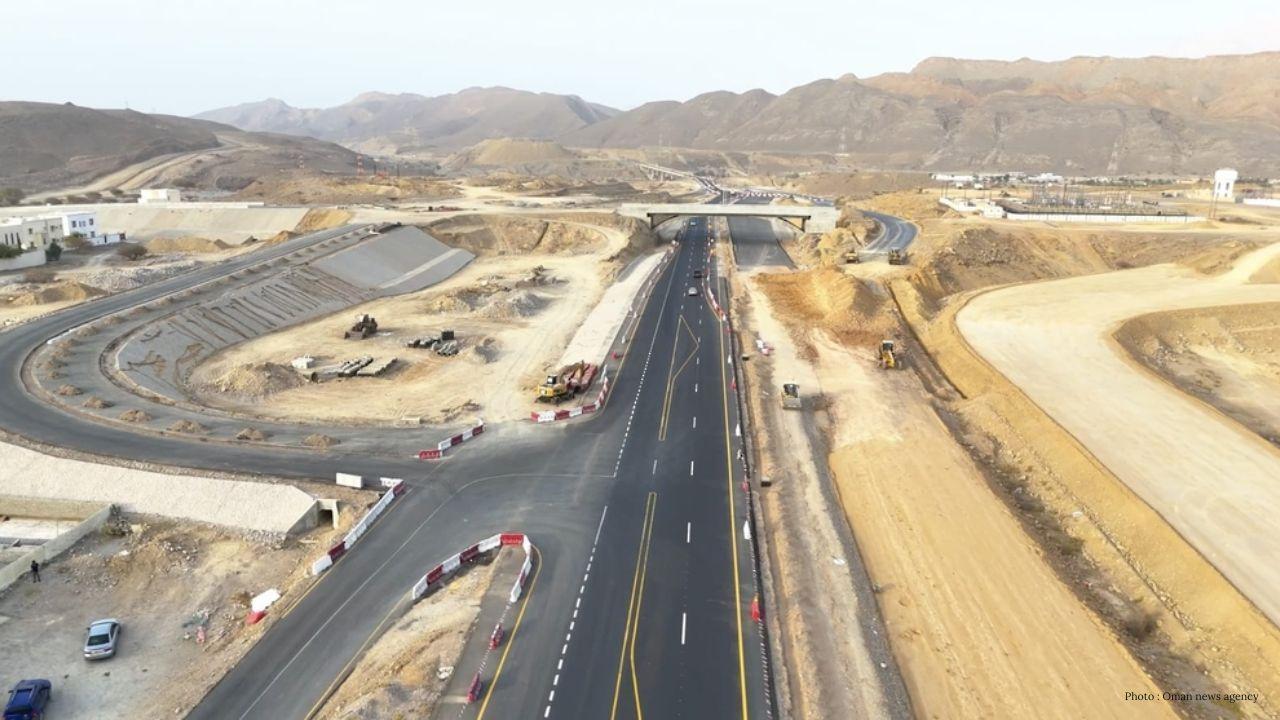
This week, Oman proposed a regional plan supported by Gulf states that would establish joint management of the strait and allow voluntary service charges.
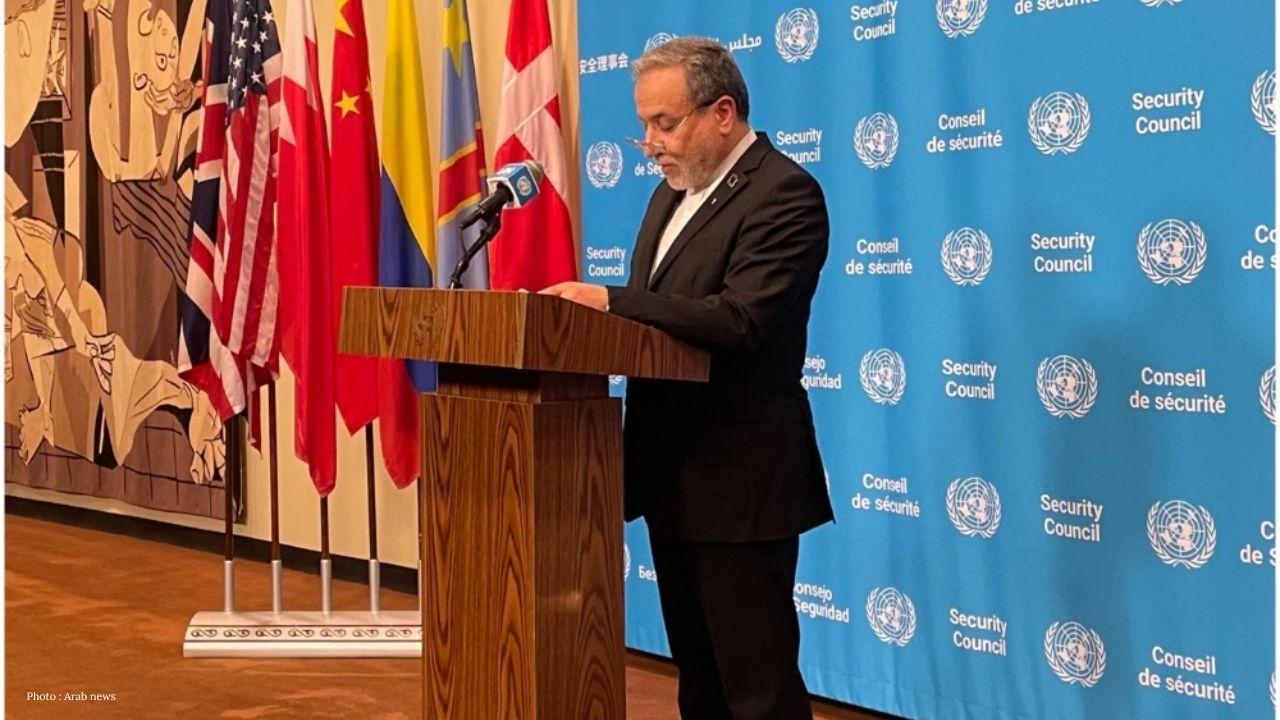
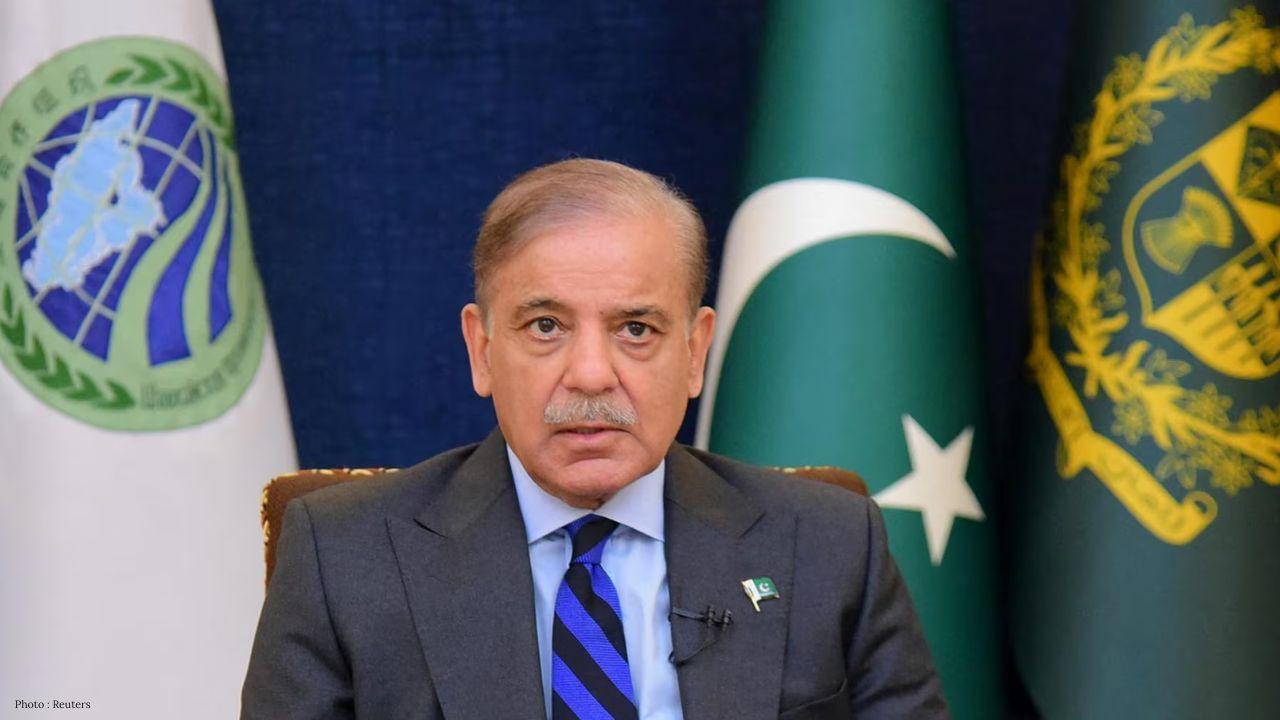
However, a senior Iranian official told Reuters on Wednesday that Tehran had rejected the proposal, calling it "unreasonable."
According to the official, a 50-50 joint control arrangement with Oman would not serve Iran's interests, although Tehran continues to regard Oman as a valuable neighbour.
Iran wants sole control of the inbound shipping route through the Strait of Hormuz and partial control over the outbound route.
Meanwhile, the United States has advised commercial vessels to use a route closer to Oman's coastline instead of sailing near Iranian waters.
In a statement, the Revolutionary Guards Navy said it continued to maintain full control over the Strait of Hormuz and would respond to what it described as "unlawful U.S. military interference."
Oil Prices Rise After Renewed Fighting
The latest military escalation increased concerns over global energy supplies.
Brent crude oil prices rose by more than $3 per barrel, moving back above $87 per barrel.
Oil prices had briefly crossed $100 per barrel last week for the first time since May before falling into the mid-$80 range after President Donald Trump halted the US bombing campaign over the weekend.
The renewed military action and stalled diplomatic efforts have once again pushed energy markets higher.


 English