Post by : Shakul
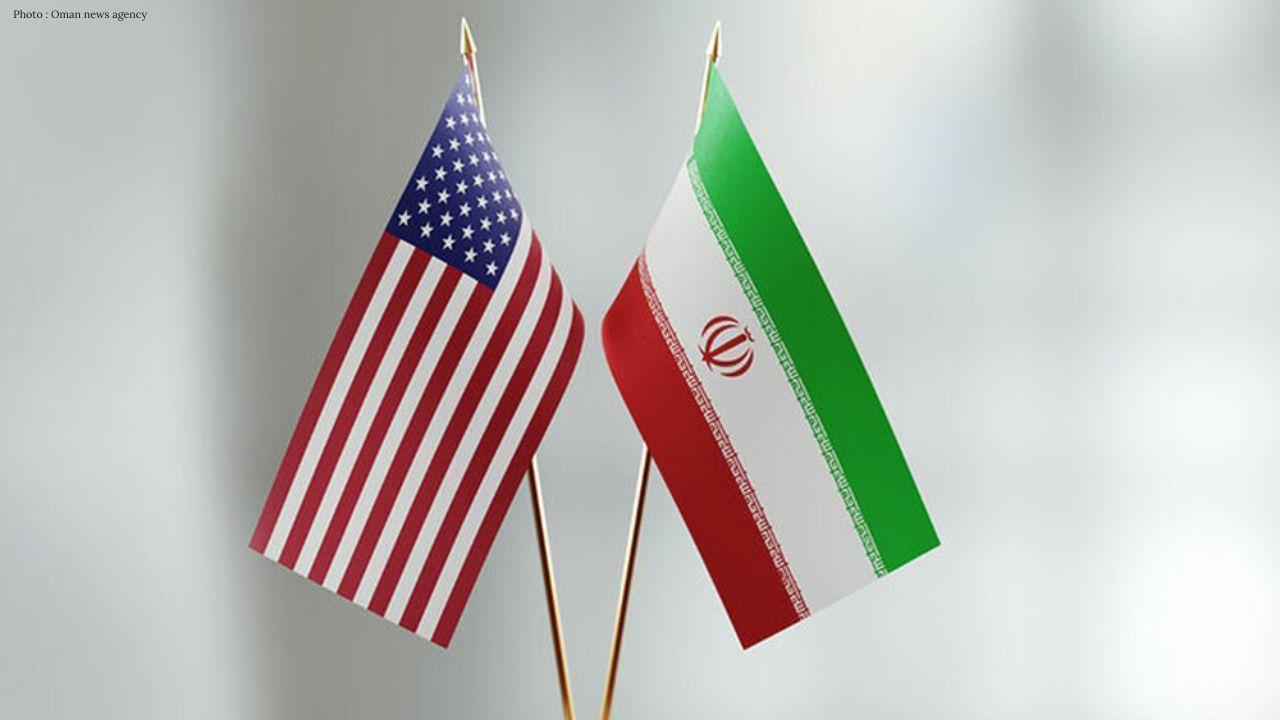
Tensions between the United States and Iran have surged dramatically with Washington's announcement of a naval blockade aimed at Iranian maritime routes. This U.S. military initiative will restrict all vessel traffic in and out of Iranian ports via the strategically significant Strait of Hormuz, a crucial artery for global oil transit. This bold move comes on the heels of unsuccessful diplomatic attempts in Pakistan, exacerbating the current crisis.
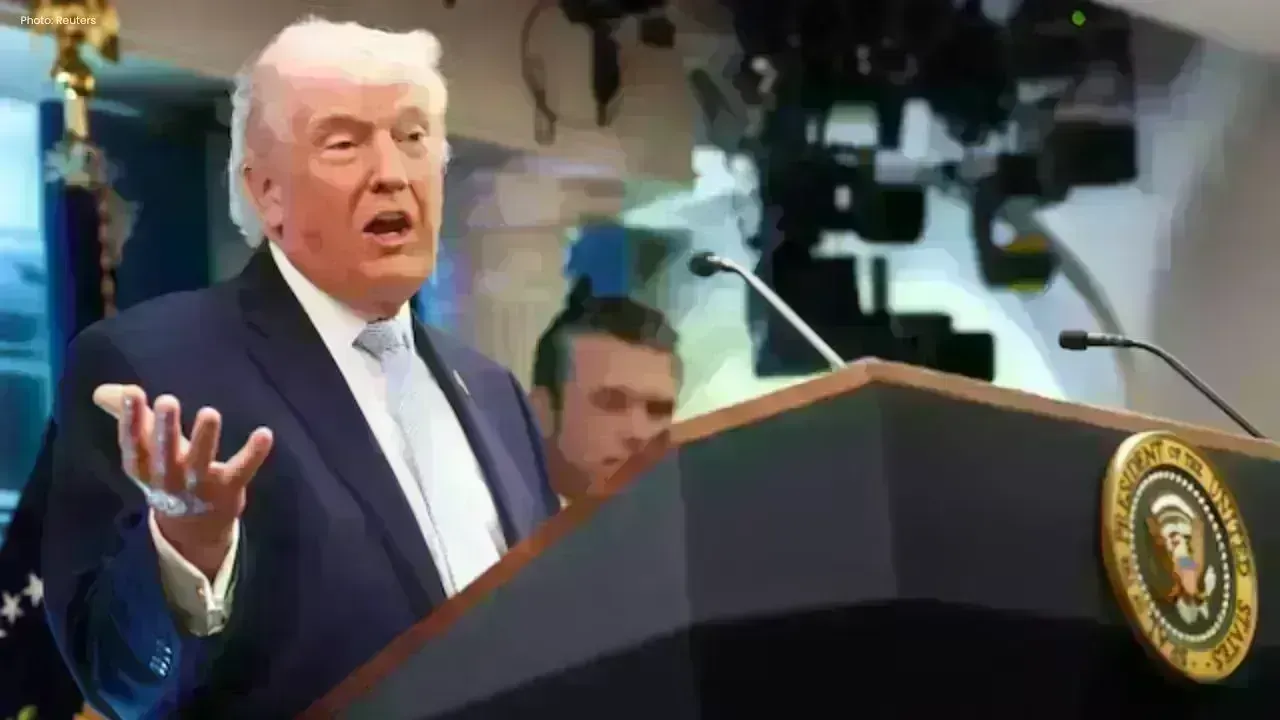
President Donald Trump has expressed a firm unwillingness to continue negotiations with Iran, reflecting a more aggressive stance from the U.S. government. He reaffirmed the commitment to regulate maritime traffic in the Strait of Hormuz, a pivotal point through which nearly 20% of the world’s oil is transported, solidifying its role as a critical chokepoint in international trade.
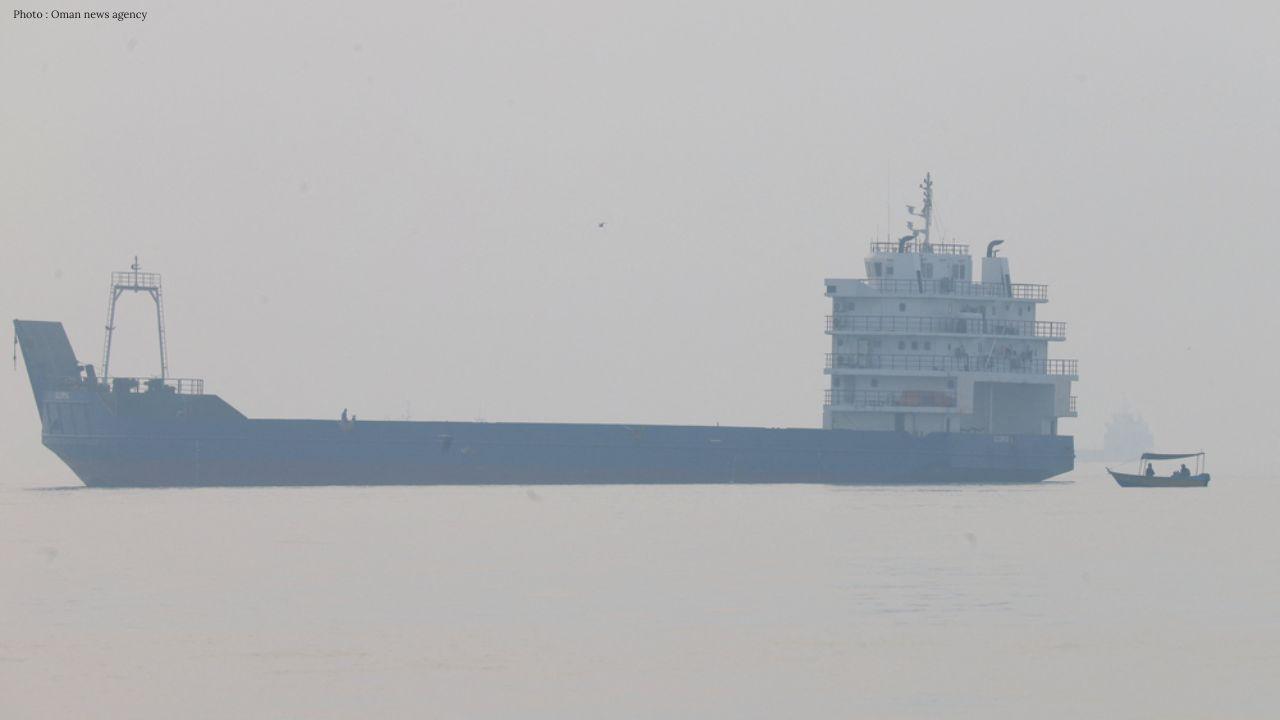
The U.S. military has declared that the blockade will commence on April 13, with naval forces ready to oversee and control shipping operations in the Gulf. This action is expected to exert severe pressure on Iran’s economy and its oil-exporting capabilities, raising alarms regarding broader disruptions in global energy supplies and international shipping lanes.
Iran vehemently condemned the U.S. decision, with a military spokesperson labeling the act as illegal and akin to “piracy.” Tehran has indicated it will respond forcefully and may establish its own enduring mechanisms to oversee the Strait of Hormuz, hinting at a potential escalation that could affect not just regional stability but also global supply chains.
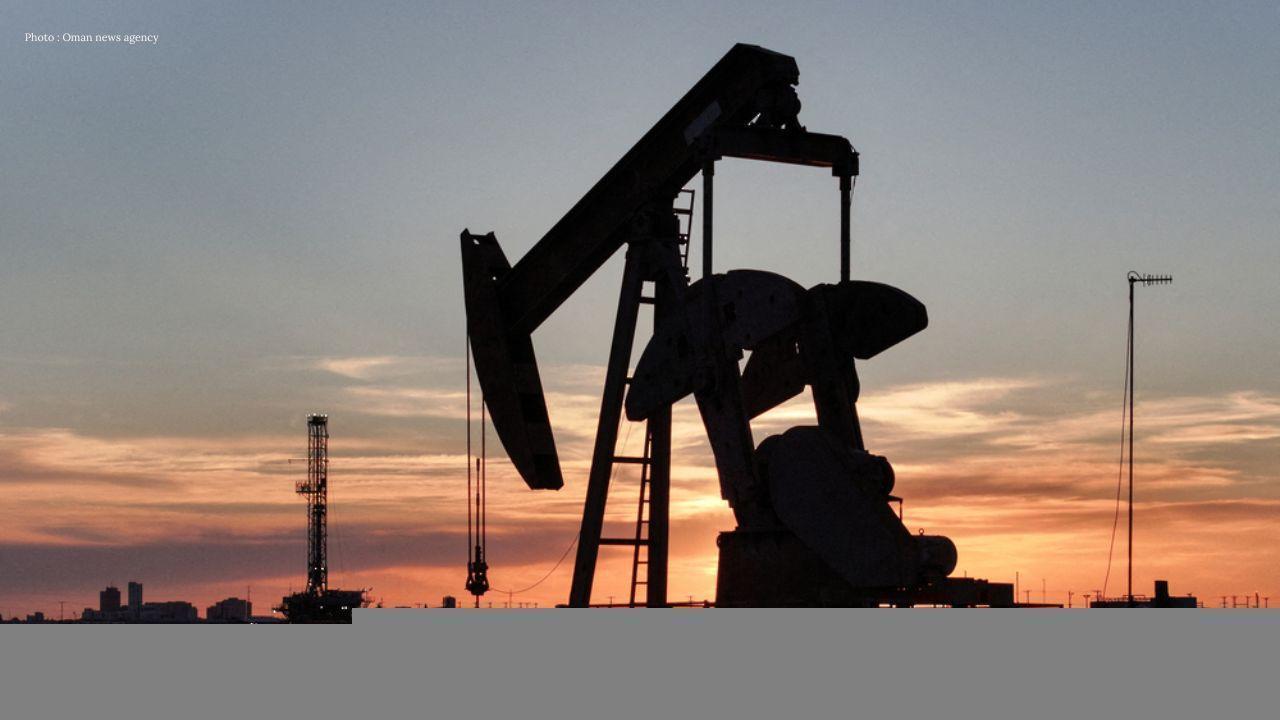
These developments have already ignited severe reactions in international markets, resulting in a swift increase in oil prices. Brent crude surged past $100 a barrel, reflecting fears of supply interruptions and a possibly drawn-out conflict in the region. Analysts caution that ongoing instability in the Strait of Hormuz could lead to extensive economic ramifications across the globe.
Experts suggest that this confrontation represents a crucial juncture, with both countries seemingly shifting from diplomatic dialogue to direct confrontation. The breakdown of recent negotiations coupled with rapid militarization has intensified fears of a broader conflict involving various regional and global powers.
As events evolve, the international community is observing closely, urging for restraint and renewed diplomatic efforts to avert further escalation. Despite this, both sides are entrenched in their positions, raising the likelihood of a prolonged and disruptive crisis.


 English