Post by : Saif
Al-Najjar
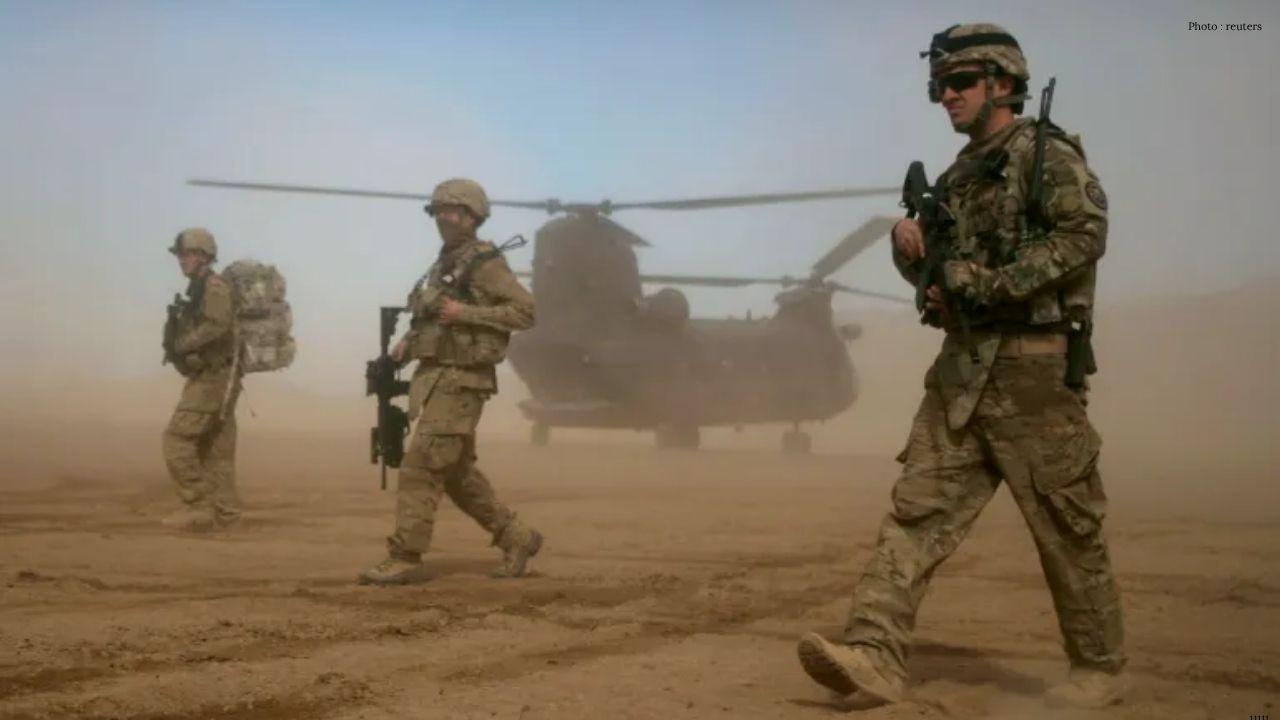
In a significant rise in military tensions, the United States has conducted strikes on Iranian military installations over the recent weekend. This action coincided with reports from Kuwait detailing fresh missile and drone incidents, amplifying worries regarding the stability of the Gulf region and the security of vital trade routes.
The Gulf's geopolitical landscape is under intense scrutiny due to its role as a crucial hub for global energy supplies and commerce. Any increase in conflict poses risks not just to the nations of the Middle East but also to international economies and markets.
Military Action Undertaken
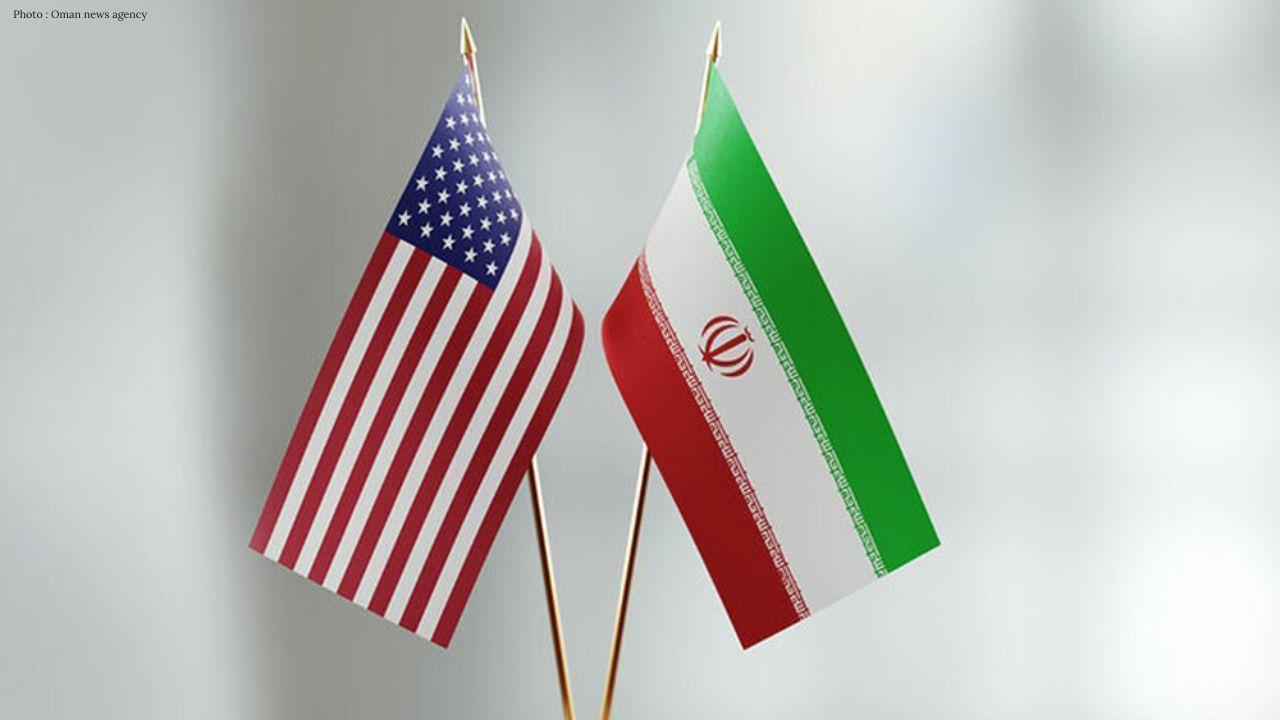
U.S. officials confirmed that military assets linked to Iran were the focus of their recent operation, which was framed as a necessary response to perceived threats against American interests. This strike continues the long-standing tensions between Washington and Tehran, a relationship marked by fluctuating confrontations over the years.
These events transpired amidst heightened security concerns, with regional governments vigilantly observing military maneuvers, aware that any direct engagement could ignite broader conflicts. Although past communications have included warnings, recent undertakings indicate a precarious status quo.
Sources reveal that the strikes aimed to diminish the military capabilities that could potentially threaten American forces, allies, or crucial shipping routes. Such military initiatives typically convey a message while striving to avert full-scale war; nonetheless, they still carry the weight of potential retaliation.
Kuwait's New Missile and Drone Alerts
Following the U.S. military actions, Kuwait announced additional missile and drone activity, emphasizing the increasing significance of unmanned and long-range weapons in contemporary warfare.
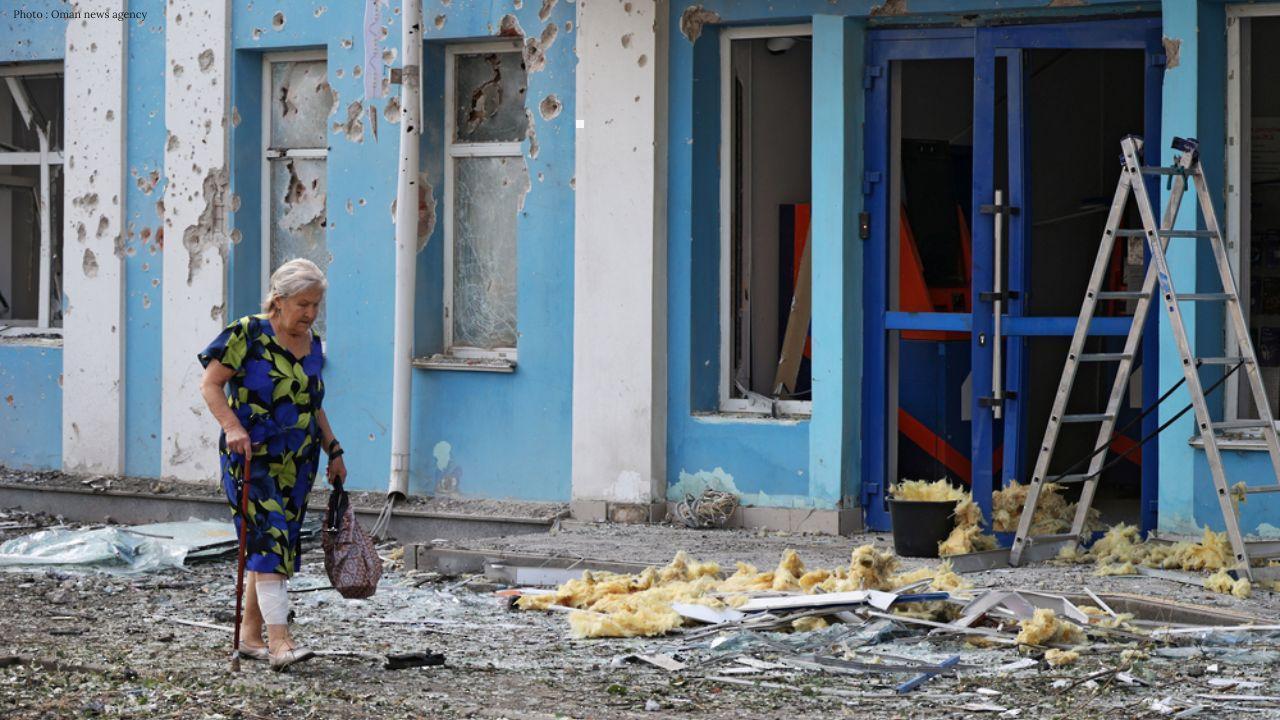
Drone technology has profoundly shaped security concerns throughout the Middle East due to its ability to reach distant targets and disrupt critical infrastructure, causing anxiety even when direct damage is limited. Similarly, missiles pose a threat as they can strike military bases, oil facilities, and transportation networks.
The surge in such incidents has heightened fears of escalating tensions that could affect neighboring nations. Gulf countries have heavily invested in defense mechanisms, yet ongoing attacks continue to challenge regional security frameworks.
Consequences for Regional Security
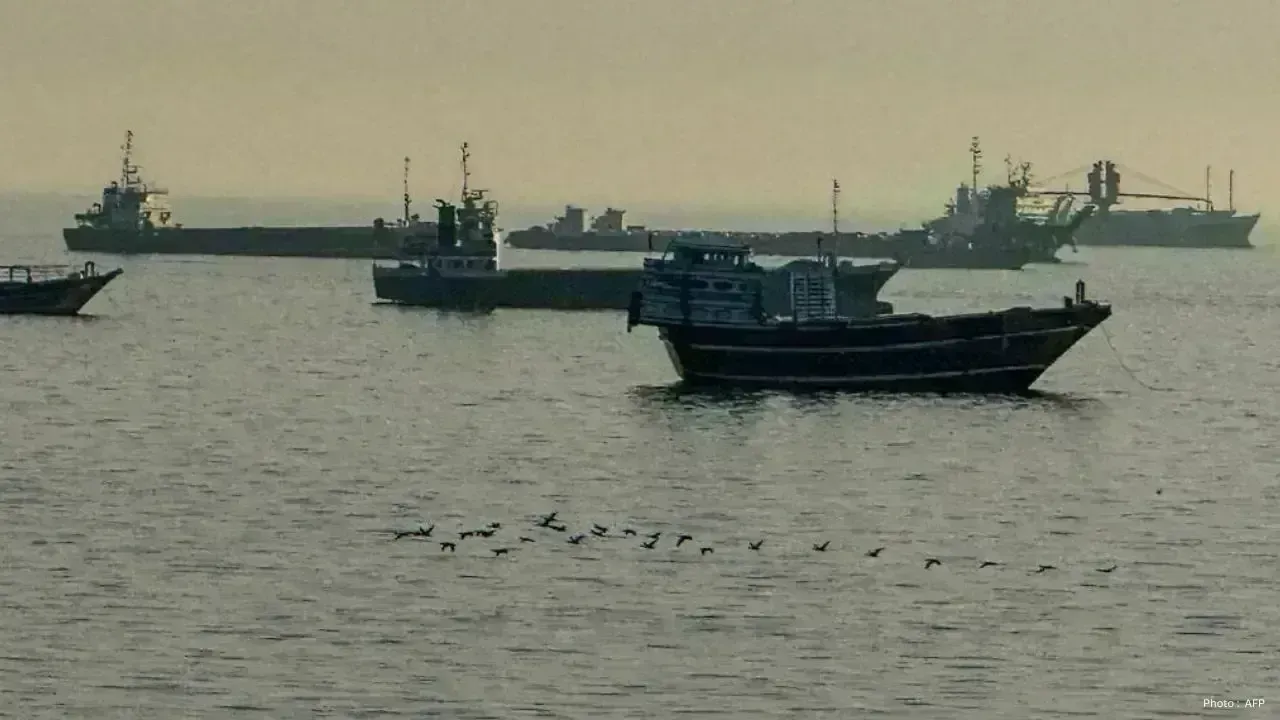
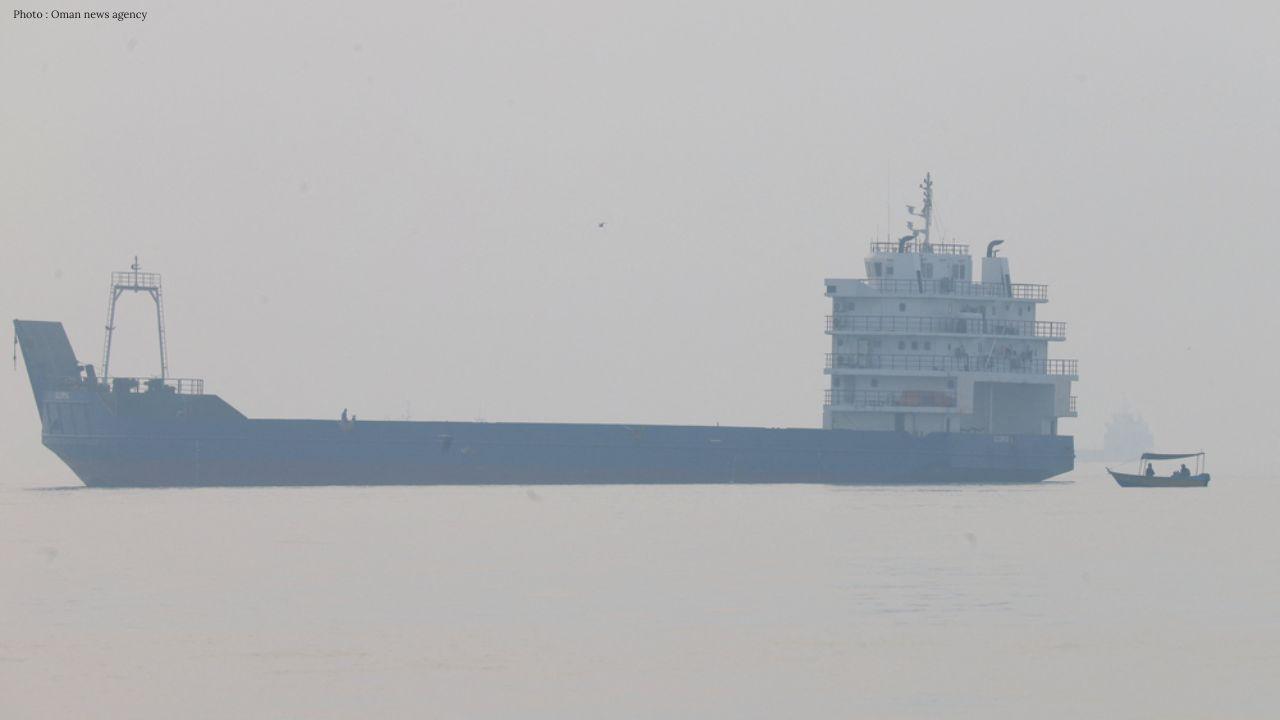
The Gulf region is vital to worldwide energy distribution, housing some of the largest oil-producing nations and crucial shipping lanes. Disruptions here have the potential to significantly influence fuel prices and global trade dynamics.
Corporations, investors, and governments remain alert to shifts in this region, as economic assurance is often tempered by uncertainty. Even attacks that fail to cause physical infrastructure damage can trigger concerns among logistics and energy companies.
Political figures within the region have called for de-escalation, prioritizing diplomatic channels over military options. Escalation could jeopardize economic progress, disrupt trade, and pose humanitarian risks—factors that are critical for nations reliant on secure transport lines and robust commercial connections.
Global Responses to the Situation
International leaders are approaching the recent developments with caution. There is a general consensus supporting measures aimed at safeguarding global shipping and reinforcing local stability, though recurring military confrontations are generating widespread apprehension regarding future instability.
Diplomatic communications remain active as nations strive to curtail further escalation. International bodies and foreign ministries have consistently urged dialogue and prudent actions to mitigate risks of miscalculation that could lead to broader crises.
States with vested interests in the Gulf are monitoring the scenario closely. Particularly, countries reliant on energy imports recognize that ongoing instability could disrupt supply lines and affect market conditions.
The Need for Diplomatic Solutions
This recent sequence of events underscores the essential role of diplomatic engagement. While military operations can provide immediate solutions to pressing security challenges, sustained stability often hinges on political frameworks. Regional players, international allies, and global organizations must contribute to fostering a dialogue-oriented atmosphere.
Historically, tensions in the Middle East can ripple into neighborhoods and influence global markets, underscoring the necessity of diplomatic efforts to obviate further conflict and maintain peace.
As nations involved in this dispute navigate complicated decisions, they must strike a balance between addressing national security needs and averting actions that could exacerbate tensions. Thoughtful communication and collective efforts may help mitigate risks in the weeks ahead.
The strikes by the United States on Iranian military locations, alongside Kuwait's reports of new missile and drone threats, have added layers of unpredictability to an already fragile security framework. These incidences accentuate the ongoing challenges faced by the Gulf as nations aim to secure their interests while sidestepping a larger-scale confrontation.


 English