Post by : Saif
Al-Najjar
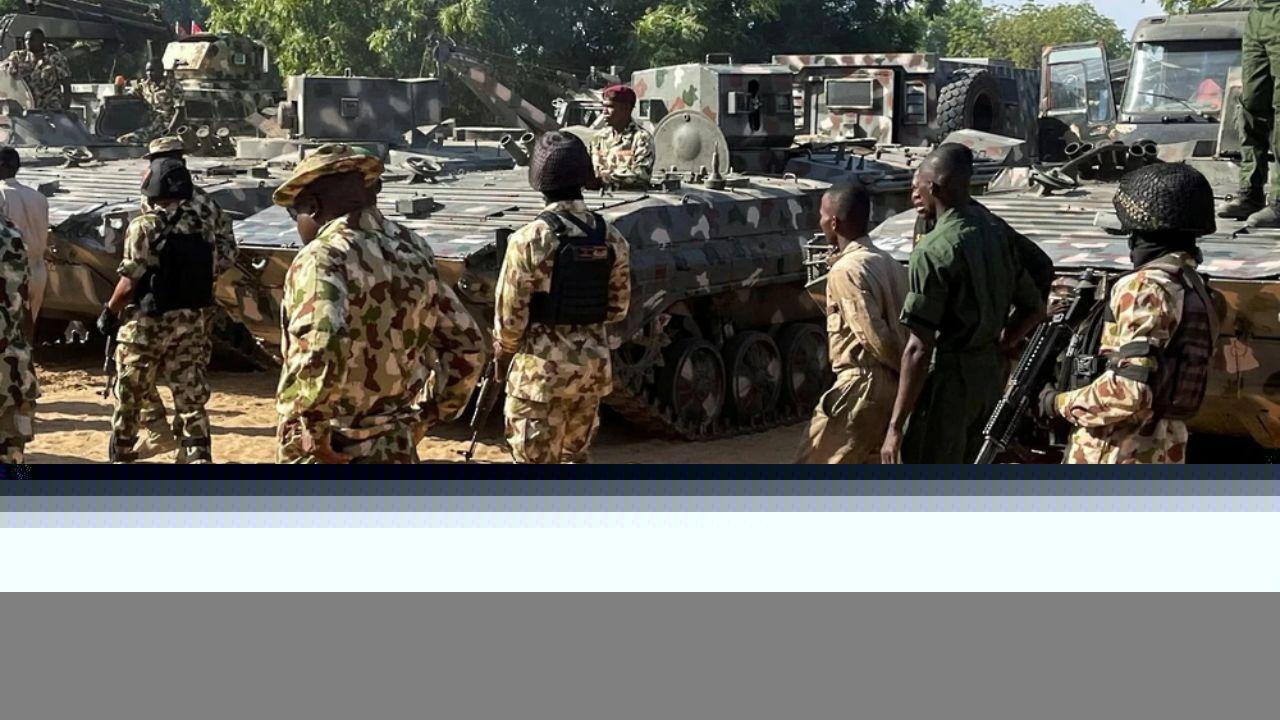
Explosions rocked the capital of Venezuela, Caracas, marking a troubling escalation in hostilities between the U.S. and President Nicolas Maduro's administration. A U.S. official has confirmed that military actions were executed inside Venezuelan territory after prolonged threats from President Donald Trump.
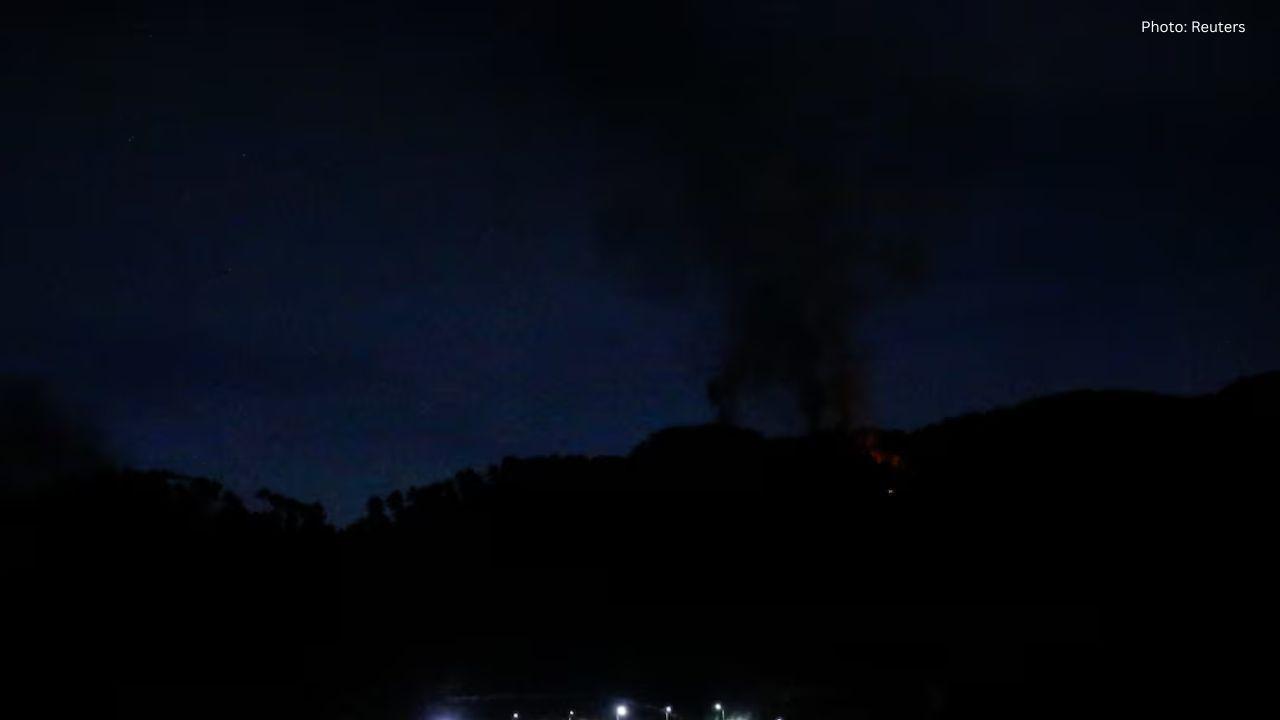
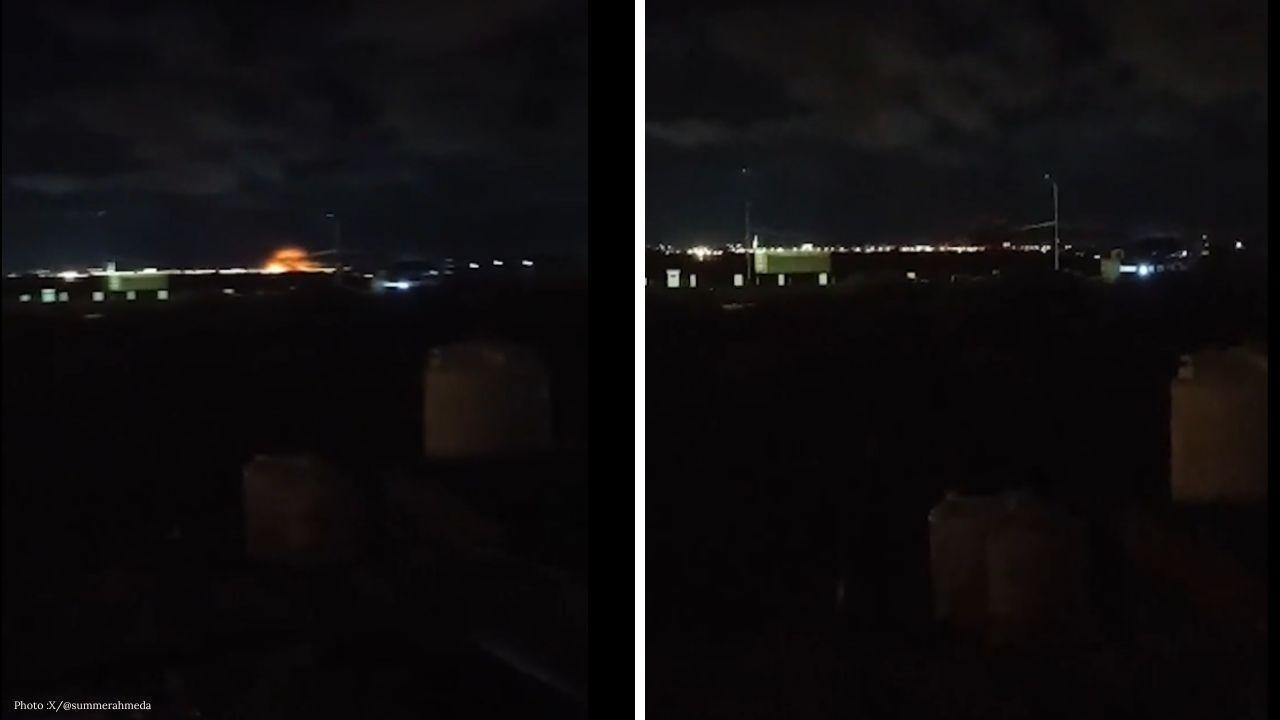
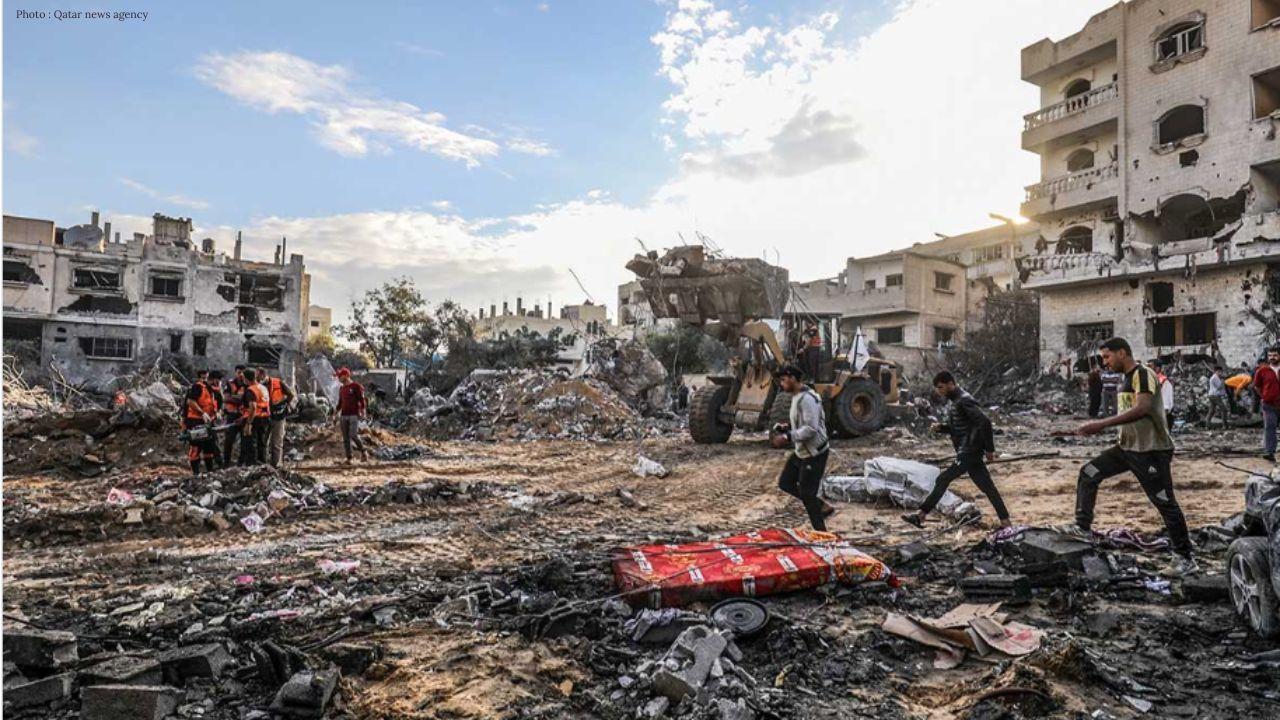
Residents reported intense blasts and aircraft overhead, witnessing thick smoke plummeting into the night. Social media videos showcased bright lights and smoke clouds emerging from military zones as panic spread among the population. In some areas, especially near a prominent military base, power outages took place.
The Venezuelan government indicated that the U.S. strikes were not confined to Caracas, claiming assaults were also reported in the surrounding regions of Miranda, Aragua, and La Guaira. In retaliation, President Maduro announced a national emergency and called for the mobilization of defense forces nationwide to secure essential installations and maintain order.
This military intervention follows an extended period of escalating pressure from the U.S. President Trump has accused Maduro of unlawful governance through manipulated elections and hinted that it might be “prudent” for him to resign. Although unclear about specific objectives, reports suggest Trump has been advocating for Maduro's ouster.
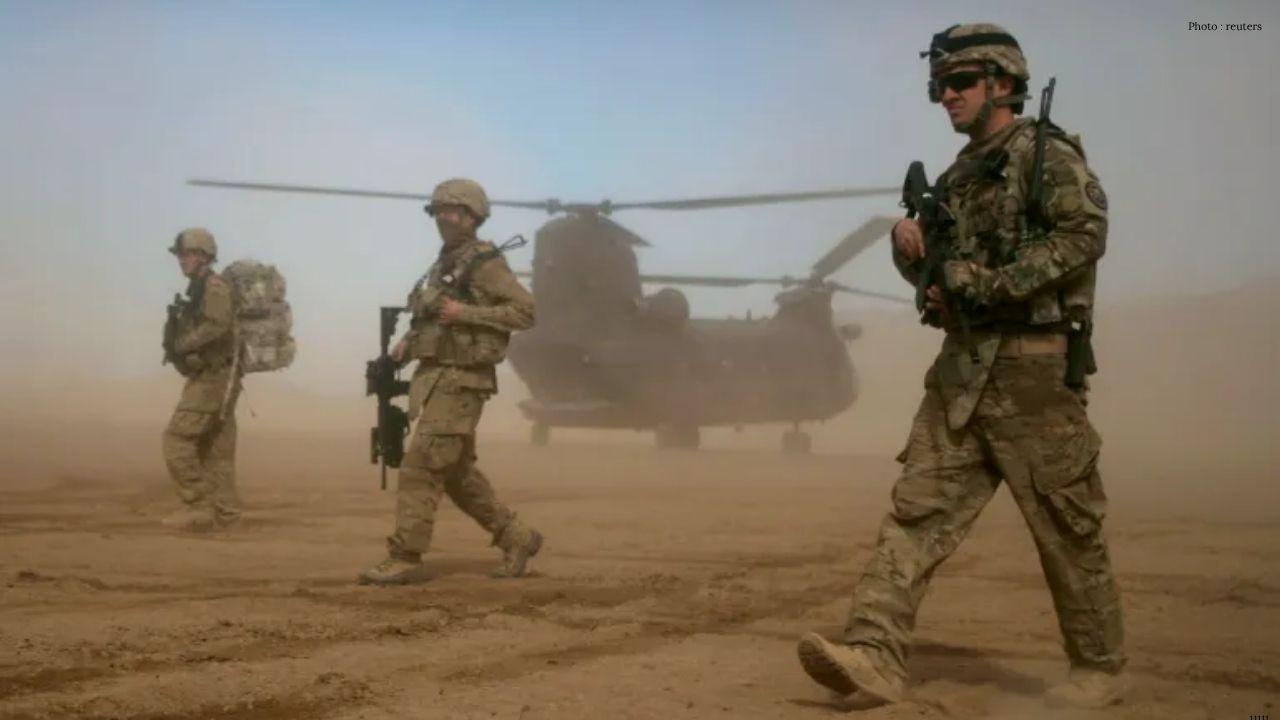
The U.S. has been bolstering its military presence close to Venezuela over recent months with an aircraft carrier, warships, and advanced fighter jets deployed in the Caribbean. Additionally, economic sanctions have intensified, and measures to obstruct Venezuelan oil exports have been reinforced, placing further strain on the already troubled nation.
The Venezuelan administration vehemently condemned the U.S. action, asserting it aims to seize the nation’s oil and mineral wealth. In an official response, Caracas proclaimed the U.S. will not prevail and vowed to defend its sovereignty. The Maduro regime has always dismissed U.S. claims of supporting drug trafficking, characterizing such accusations as fabricated and politically driven.
The Pentagon shifted inquiries to the White House, which has opted not to comment on the military operations. This ambiguity has contributed to growing global anxiety over potential future developments. Several nations have previously denounced U.S. involvement in the region, cautioning that military engagement could exacerbate instability and harm civilians.
As Venezuelans face the aftermath of the strikes, anxiety and uncertainty loom large. With tensions already at a breaking point, there are concerns that these military actions could escalate into a more extensive conflict. The situation remains fluid, with the world observing closely how both parties will react in the days ahead.


 English