Post by : Saif
Al-Najjar
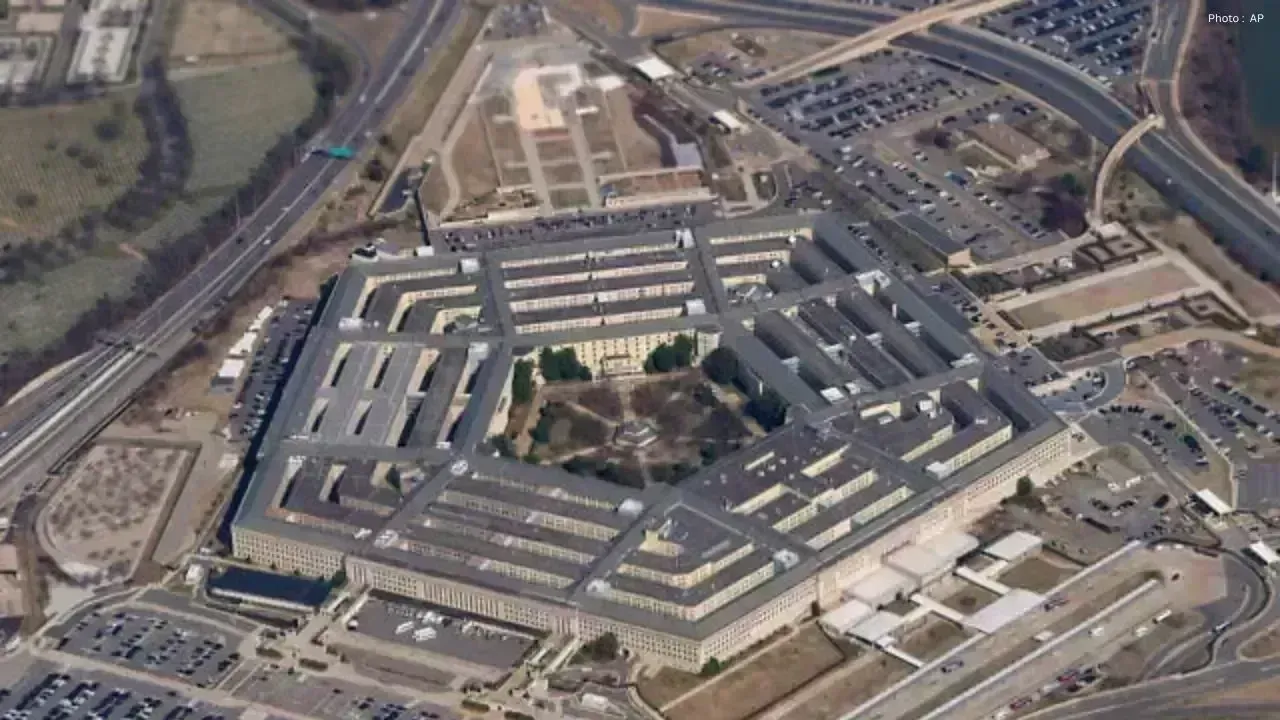
Recent concerns have emerged regarding the close alliance between the United States and Israel, as a Pentagon report has highlighted fears over potential Israeli intelligence activities aimed at American interests, raising the alarm to its highest level. This revelation comes during a period of discord regarding the ongoing Middle East conflict, underscoring how national interests can occasionally strain even the strongest of alliances.
This report has sparked considerable dialogue because the Washington-Jerusalem partnership is often lauded as one of the most significant strategic alliances globally. Together, both nations have cooperated in various domains such as military collaboration, intelligence sharing, and regional security, playing a pivotal role in shaping events throughout the Middle East. This longstanding relationship has been considered a cornerstone of U.S. policy in the region.
As the report indicates, unease within some U.S. defense circles escalated amid disagreements surrounding military and political maneuvers related to the ongoing regional conflict. While specifics are sparse, the implications suggest that American officials are growing increasingly vigilant about safeguarding sensitive information during times of policy divergence between the two nations.
Should these claims hold validity, they reflect a salient truth: intelligence agencies prioritize national interests above diplomatic friendships. Acquiring information to comprehend one another's intentions and priorities is a staple of international relations, one that transcends even adversarial ties.
This matter carries significant weight since intelligence collaboration is rooted in trust. Governments share critical intelligence when they believe it will bolster security against mutual threats. Thus, any insinuation of unauthorized access to confidential data understandably raises alarms among security personnel tasked with upholding national interests.
The timing of this report also bears importance, as the Middle East grapples with considerable instability, characterized by ongoing conflicts, military operations, and diplomatic challenges impacting multiple nations. During such turbulent times, governments often face tough choices regarding strategic military objectives and long-term political ambitions. Differences in viewpoints between allies may become more apparent under the pressure of regional security issues.
For the United States, achieving stability while safeguarding its strategic interests remains a primary objective. American officials must balance their support for allies with wider concerns about regional security and international relationships. Decisions emanating from Washington often reverberate well beyond the borders of the Middle East.
On the flip side, Israel continues to contend with severe security challenges, placing a strong focus on intelligence gathering and defense readiness. National leaders often advocate for comprehensive information as vital for the country's survival against threats. These security imperatives significantly influence national defense decision-making.
While intelligence-related reports can create media buzz, they don't necessarily signal a collapse in relations between allied nations. History illustrates that alliances can navigate periods of disagreement without sustaining lasting damage. The U.S. and Israel have encountered policy conflicts previously, notably regarding settlements, military initiatives, and peace talks. Over time, however, their collaborative efforts typically persist.
The report's broader implications highlight the complex nature of modern alliances, which seldom function on the foundation of complete consensus. Instead, they are built on shared interests, mutual advantages, and ongoing dialogue. Partners may find themselves at odds over specific policies yet continue collaborating in other domains.
This situation further emphasizes accountability within national security institutions. Defense agencies are mandated to identify potential risks, secure sensitive information, and base government strategies on valid assessments. That concerns were escalated signifies the high stakes security officials attribute to their obligations.
Throughout the Middle East, developments concerning Washington and Jerusalem are under close scrutiny. The dynamics between these two nations play a pivotal role in military planning, diplomatic initiatives, and regional power relations. Any signs of conflict naturally draw attention due to their potential implications for broader geopolitical matters.
Nevertheless, there is minimal evidence to indicate a fundamental rift in the overall partnership. Military collaboration, economic interactions, and aligned strategic aims remain essential ties binding the two nations. Strong alliances often withstand disagreements, as leaders recognize the long-term value that cooperation brings.
The Pentagon's concerns remind us that trust is among the most vital components of international diplomacy. Even among close allies, governments continuously strive to foster confidence, safeguard sensitive information, and resolve policy differences through effective communication and diplomacy. As new challenges arise in the Middle East, the ability of both the U.S. and Israel to manage disputes while maintaining cooperative ties will be a crucial test of this influential strategic relationship.


 English