Post by : Shakul
In a sharp escalation of military tensions, the United States has conducted airstrikes against Iranian military sites following the reported downing of an American MQ-1 Predator drone. This renewed wave of hostilities raises alarms about the already precarious ceasefire negotiations between Washington and Tehran.
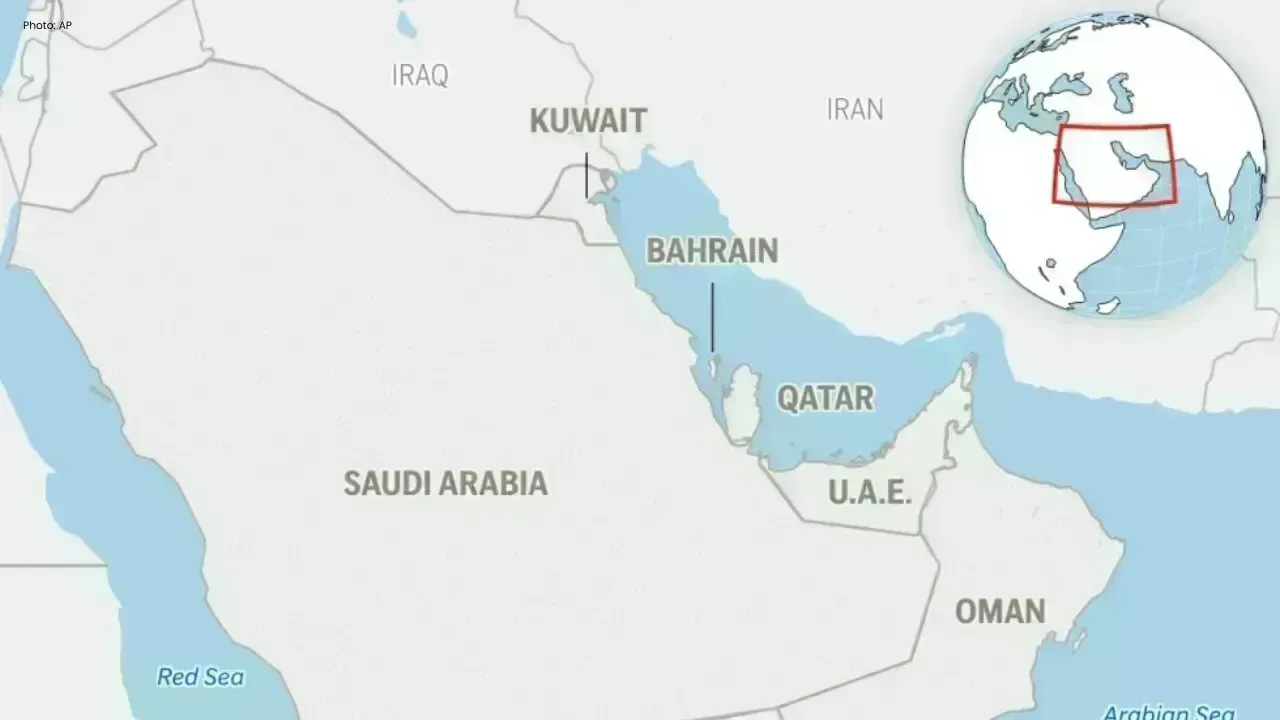
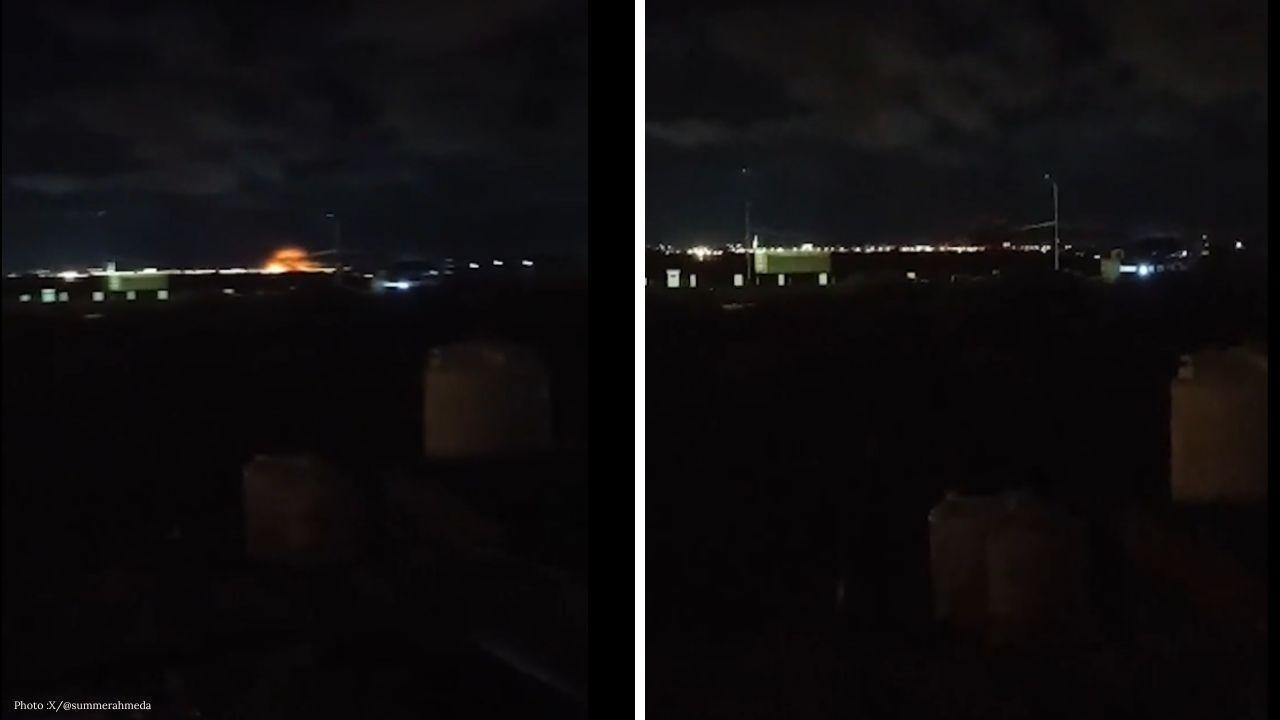
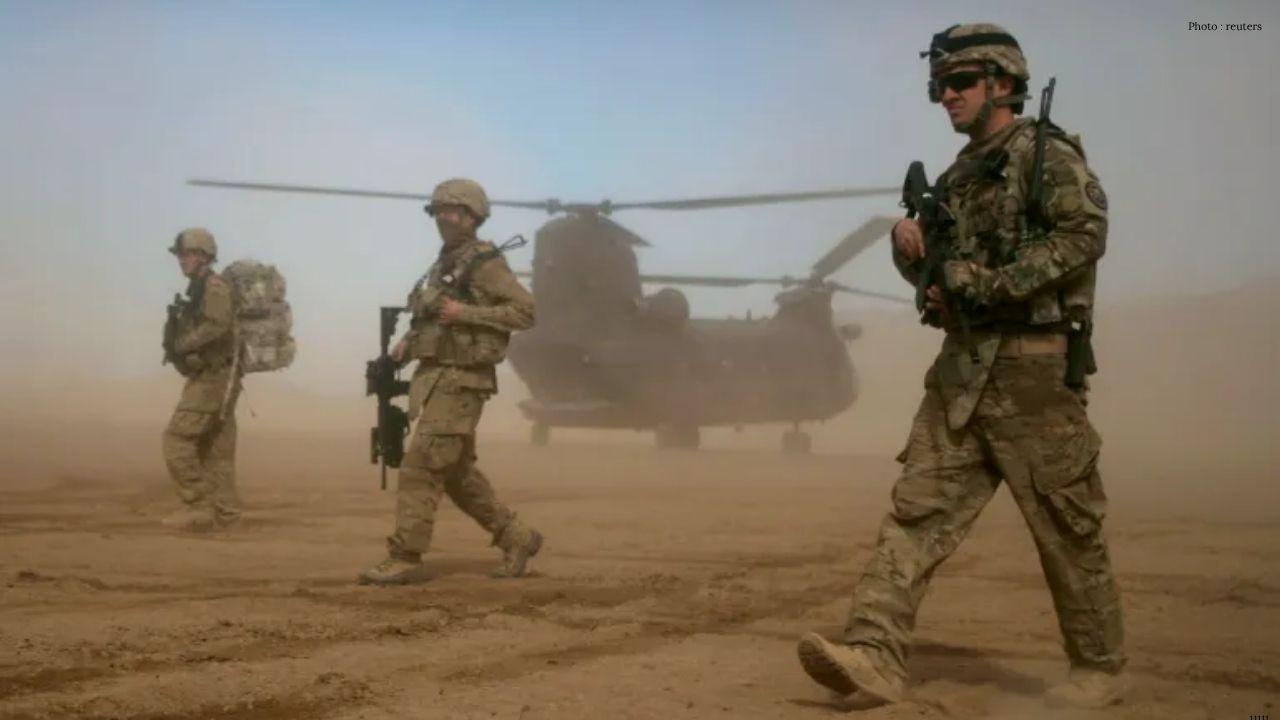
As stated by the United States Central Command, these strikes focused on Iranian radar stations, drone control centers, and other military assets near Geruk and Qeshm Island. US officials labelled the operation as a necessary response to Iranian aggression toward an American reconnaissance drone operating in international waters.
In retaliation, Iran admitted to launching military strikes post-airstrike. Iranian state media confirmed that a telecommunications installation was impacted during the US offensive. Meanwhile, Kuwait's officials reported successful interception of drones and missiles by their air defense systems, thus ensuring public safety.
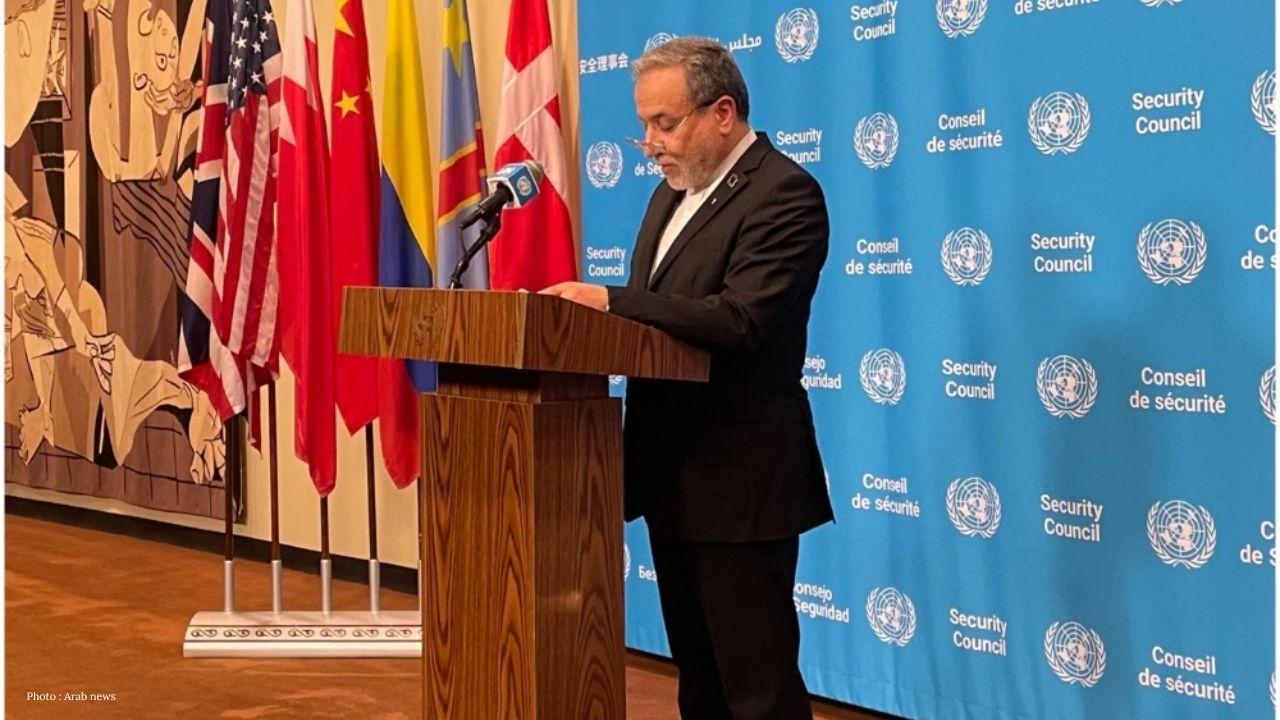
This incident has raised profound concerns about the viability of the diplomatic efforts intended to prolong the ceasefire agreement. While both Washington and Tehran publicly advocate for dialogue, the military confrontations complicate the already challenging journey toward a sustainable agreement. Regional analysts warn that such exchanges could spiral into a larger security crisis across the Gulf.
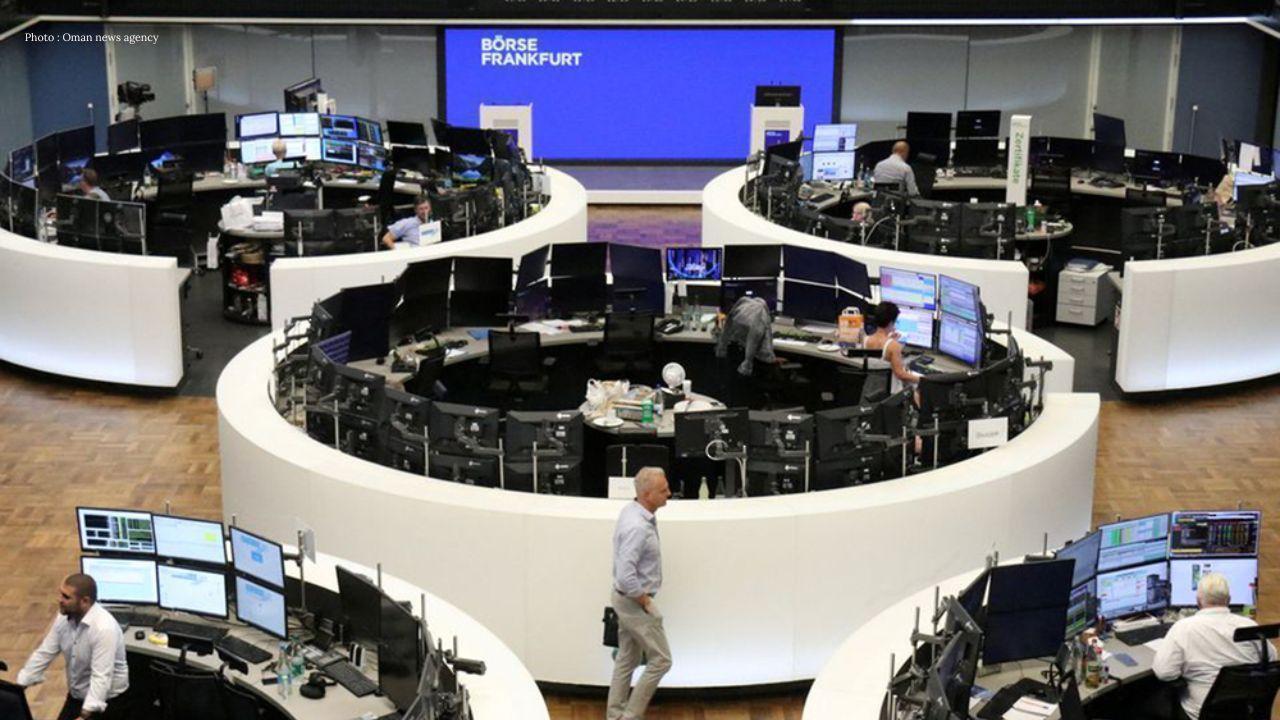
Further complicating the situation is the ongoing disruption in the Strait of Hormuz, a vital global energy corridor. Iran's ongoing restrictions on maritime activities in this strategic waterway increase pressure on oil, natural gas, and fertilizer supplies. The international markets remain highly responsive to regional developments due to the Strait's crucial role in global trade.
The overall situation in the region continues to be tense, with conflicts involving Israel, Lebanon, and Hezbollah persisting alongside US-Iran hostilities. Security experts warn that these intertwined conflicts elevate the risk of miscalculations and further military escalations in the Middle East.
Despite escalating tensions, US President Donald Trump maintains a hopeful outlook on diplomatic channels. In recent comments, he indicated that conversations with Iran are ongoing and suggested mutual interest in reaching an advantageous agreement. However, the latest military confrontations underscore the substantial hurdles that still need to be overcome for a long-term resolution.


 English