Post by : Saif
Al-Najjar
As uncertainty looms between the United States and Iran, the international oil markets are feeling the strain, with military operations and ongoing diplomatic efforts taking center stage in the Gulf.
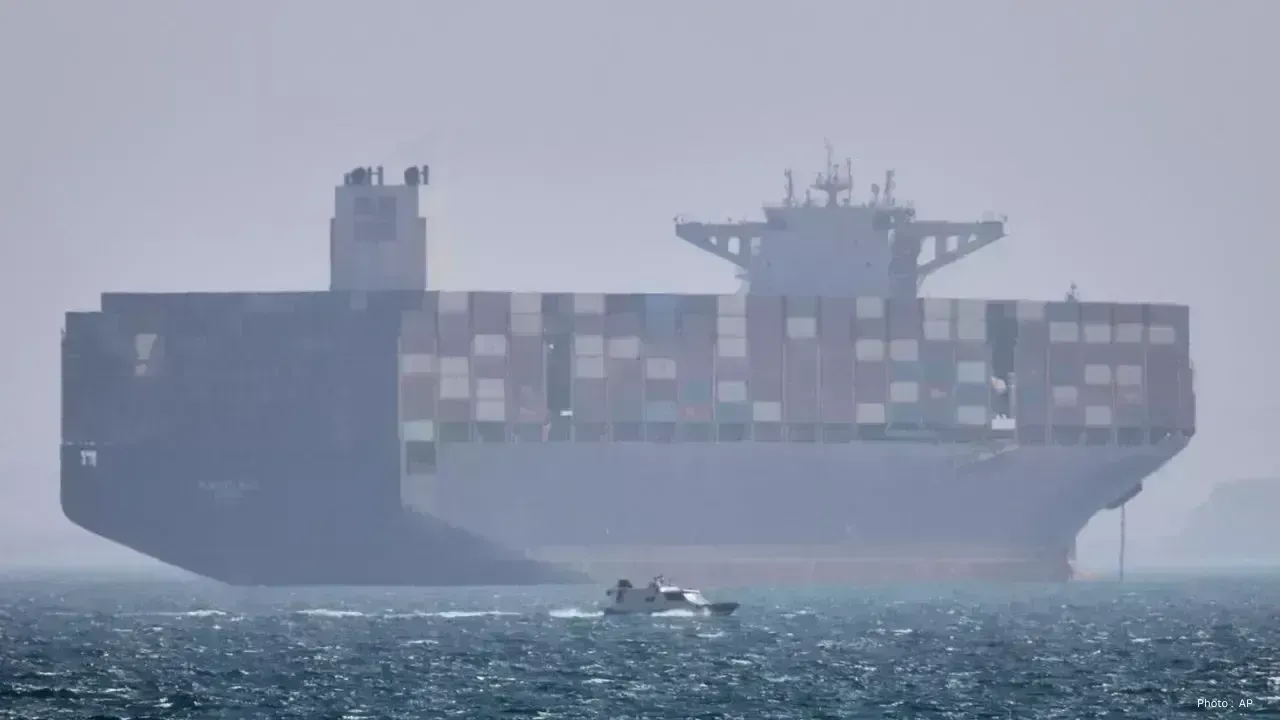
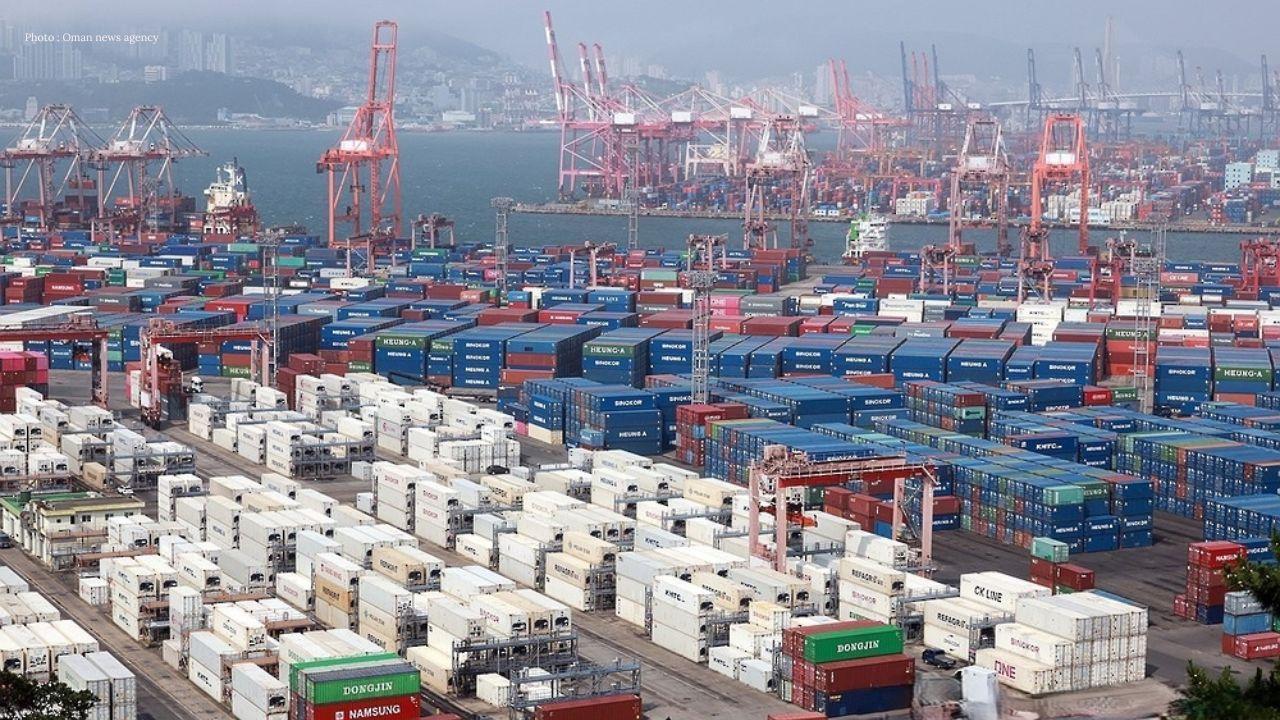
The focus is squarely on the Strait of Hormuz, a crucial shipping lane for crude oil and energy resources, where a significant portion of global oil trade flows daily, making regional stability vital for the world economy.
Discussions between American and Iranian officials appear to be in play, aimed at alleviating tensions and progressing talks on security and nuclear-related matters. However, military activities nearby underscore the precariousness of the situation.
U.S. Vice President JD Vance acknowledged that Washington and Tehran are not yet on the brink of direct conflict, though the threats remain pronounced. The U.S. is pursuing enhanced assurances regarding maritime safety, regional order, and Iran’s nuclear ambitions.
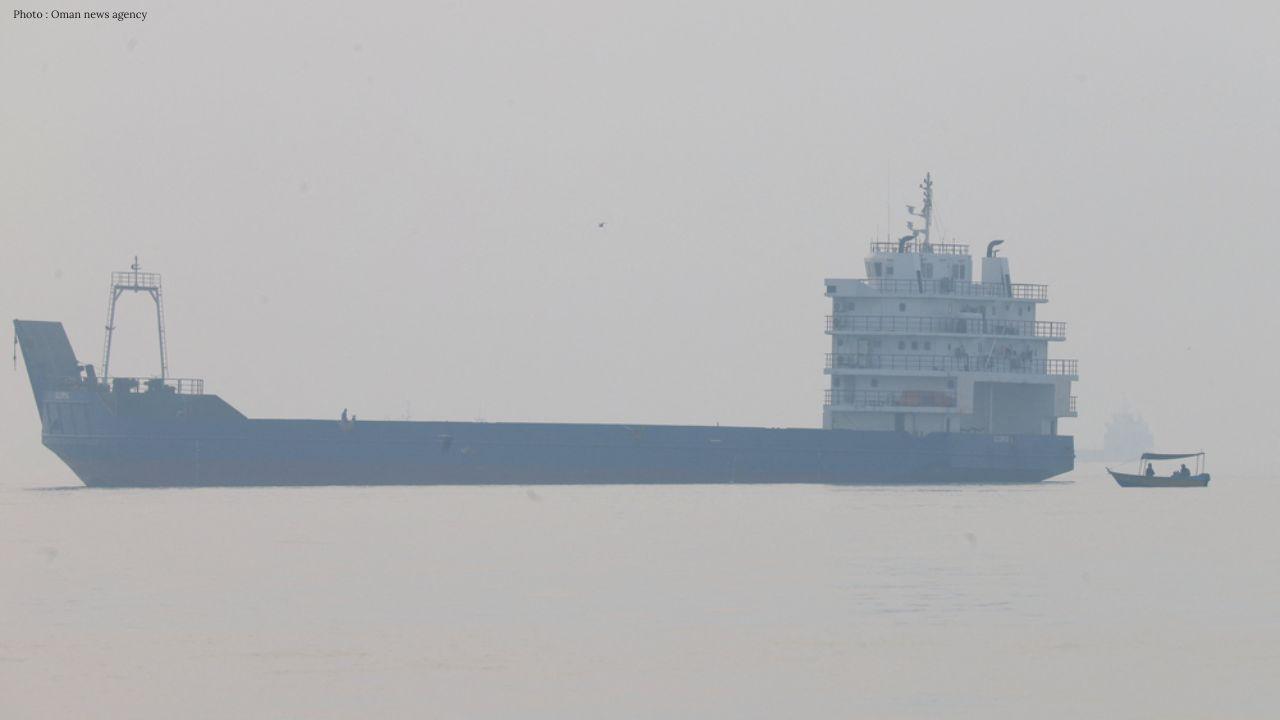
Shipping through the Strait of Hormuz remains a pressing concern for global markets. Any disruption could lead to increased oil prices and heightened fuel supply issues. Sources suggest Iran might be willing to ensure open shipping routes if diplomatic efforts are sustained.
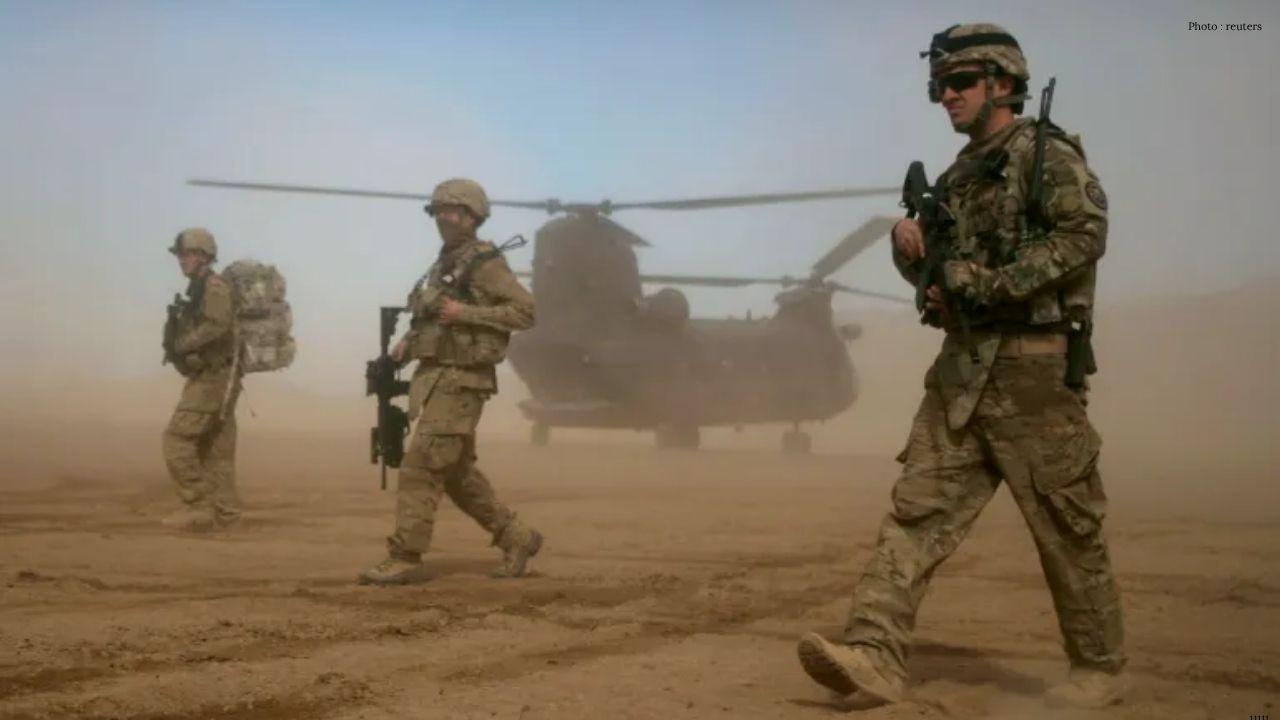
Amid these negotiations, military operations in parts of the region persist, with American forces reportedly responding to security challenges linked to drone activities and regional aggressions.
As a result of these increasing tensions, oil markets are already experiencing volatility. Traders are wary of ongoing instability in the Gulf affecting global supply chains, which could have broader implications for countries dependent on oil imports, leading to higher costs for transportation and living.
Several Gulf states are keeping a close watch on the scenario due to their economies' dependence on secure shipping lanes and energy exports. A significant disruption in maritime trade could jeopardize economic growth and international trade.
Decades of strained relations between Washington and Tehran have stemmed from disagreements over sanctions, military presence, nuclear activities, and security. Past negotiations have often been challenged by a lack of mutual trust between the two nations.
Call for diplomatic resolutions to avert a more extensive conflict continue to emanate from international leaders. European governments and regional partners are encouraging both sides to refrain from military escalation and uphold dialogue.
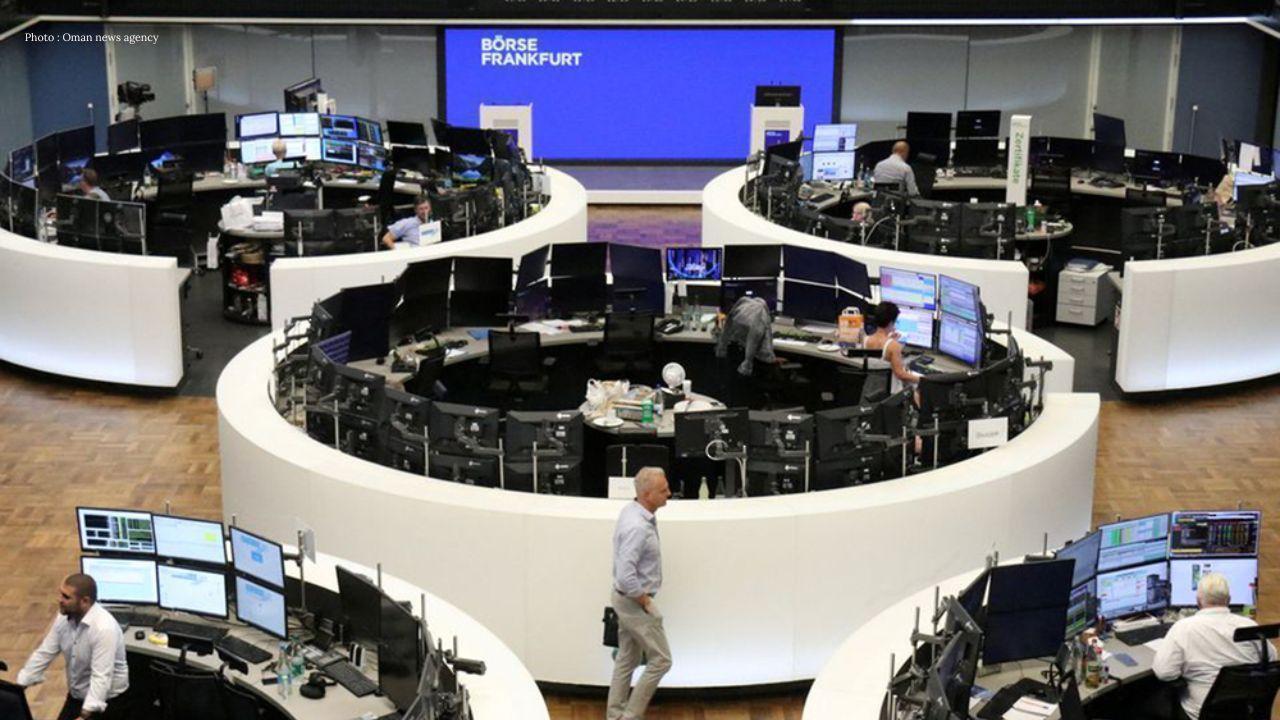
Global financial markets are also attuned to the developments in the Gulf. Rapid investor reactions to geopolitical uncertainties in key energy-producing regions reflect the impact of oil supply disturbances on various sectors, including aviation, manufacturing, shipping, and transport.
The Strait of Hormuz stands as one of the world’s most strategically pivotal waterways, with a considerable percentage of global oil exports traversing its paths each day; thus, securing this corridor is critical for worldwide economic stability.
Security analysts caution that minor military skirmishes in the Gulf have the potential to escalate into broader confrontations if diplomatic initiatives falter. Multiple naval forces are currently operating in adjacent waters to safeguard commercial shipping and bolster maritime security.
At the same time, ongoing negotiations between the U.S. and Iran imply a preference for diplomatic channels over extended military engagements. Experts suggest that successful discussions could ease the pressures on oil markets and enhance regional stability.
The forthcoming weeks are poised to be crucial as global leaders keep a vigilant eye on military engagements and diplomatic exchanges in the Gulf, with developments potentially impacting oil prices, global trade, and economic confidence worldwide.


 English