Post by : Shweta
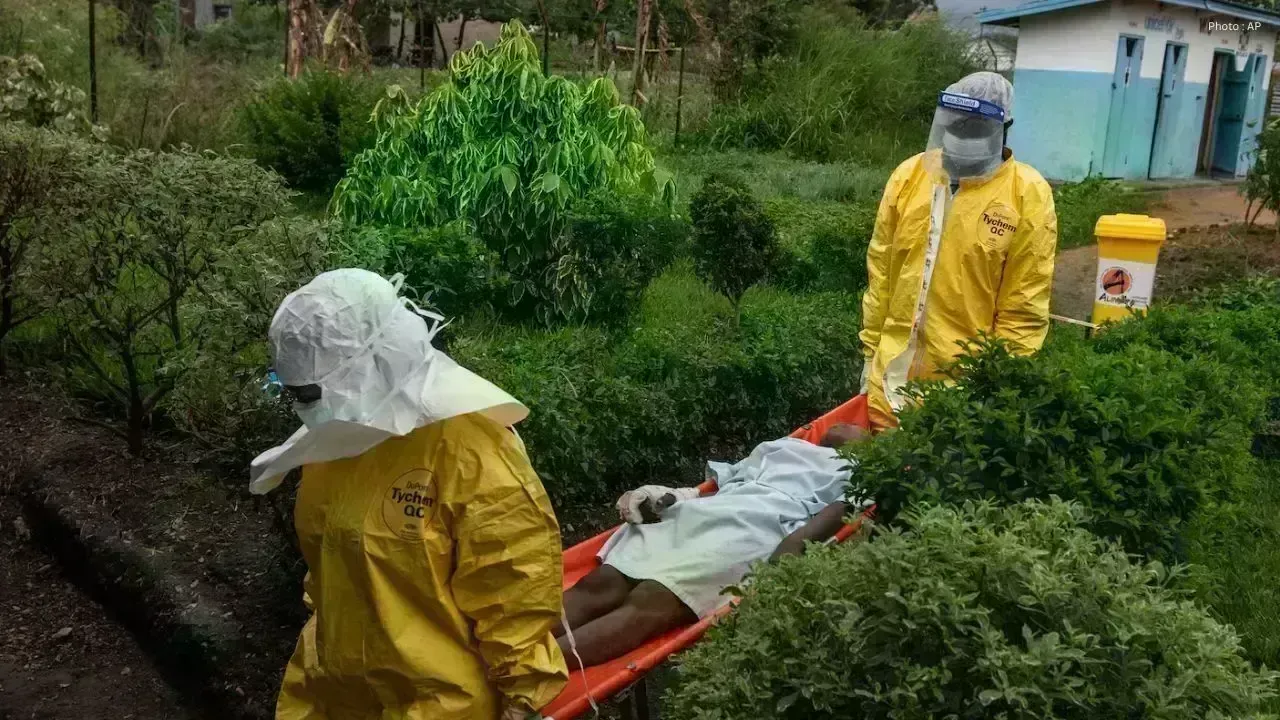
The United States government has broadened its travel restrictions related to Ebola, temporarily prohibiting lawful permanent residents—commonly known as green-card holders—from re-entering the U.S. if they have recently traveled to regions in Africa impacted by the Ebola virus. This measure comes as health officials tackle the escalating Ebola outbreak occurring in parts of Central and Eastern Africa.
The revised directive from the Centers for Disease Control and Prevention (CDC) and the Department of Homeland Security (DHS) now prohibits green-card holders who have been in the Democratic Republic of the Congo, Uganda, or South Sudan in the past 21 days from entering the country. Previously, the restrictions were mainly directed at non-U.S. citizens and foreign travelers, leaving lawful permanent residents unaffected.
U.S. health authorities indicated that this decision was made due to concerns about public health and the limited resources available for emergency responses, as the number of Ebola cases rises in the affected regions. The CDC emphasized that these temporary measures are designed as part of a broader strategy to avert the introduction of Ebola into the United States during the ongoing outbreak of the rare Bundibugyo strain of the virus.
The World Health Organization has already classified the outbreak as a significant international public health emergency, following hundreds of reported infections and fatalities in the impacted African nations. Experts in health express heightened concern about this outbreak, noting that there is currently no widely accessible vaccine specifically authorized for the Bundibugyo Ebola strain.
In addition to the travel restrictions, the U.S. government has elevated its airport screening and monitoring protocols for travelers. American citizens returning from the affected countries must now enter through designated airports such as Washington Dulles International Airport, where health officials conduct temperature checks, symptom assessments, and inquiries into travel history.
This policy has drawn criticism from immigration experts, public health advocates, and civil rights organizations. Some detractors argue that excluding green-card holders from returning to the U.S. could raise legal and humanitarian issues, as these permanent residents typically have the right to return. There are also worries that this approach might deter healthcare professionals, aid workers, and volunteers from contributing to containment efforts in Africa.
Public health analysts have pointed out that during past Ebola bouts, including the 2014 West Africa crisis, the U.S. focused on screening systems, monitoring, and quarantine rather than instituting sweeping travel bans. Some experts argue that stringent entry prohibitions are unlikely to fully halt the spread of the disease and could lead to diminished international cooperation during health crises.
Despite these apprehensions, the CDC reassured that the immediate risk of Ebola spreading significantly within the U.S. remains low. Officials stated that the travel restrictions are provisional and will be subject to ongoing review as the outbreak evolves. Furthermore, the U.S. government confirmed the deployment of additional medical teams and emergency resources to assist in managing the Ebola outbreak in the affected areas of Africa.


 English