Post by : Shakul
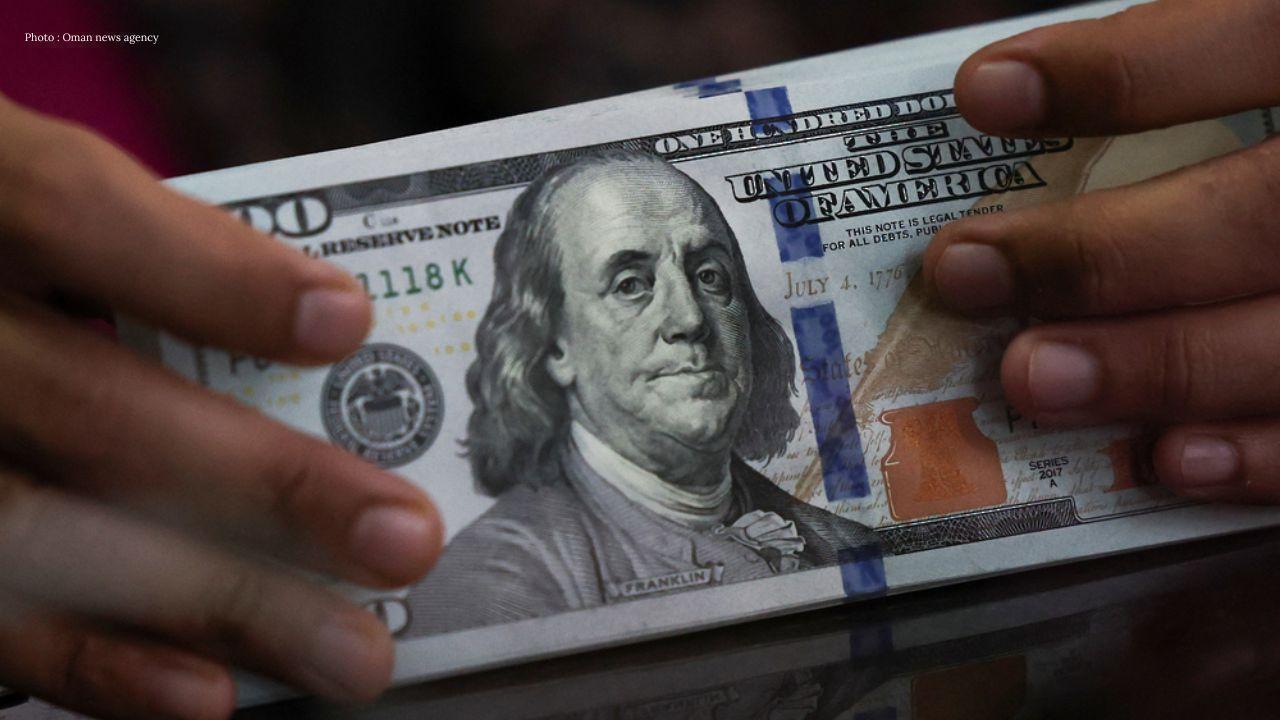
The US dollar showed resilience against key global currencies on Friday, yet it was headed for a weekly downturn. This shift comes as reports suggest that the United States and Iran have reached a preliminary agreement to extend a ceasefire in the Middle East. This development has lessened the demand for traditional safe-haven assets, consequently enhancing overall market sentiment.
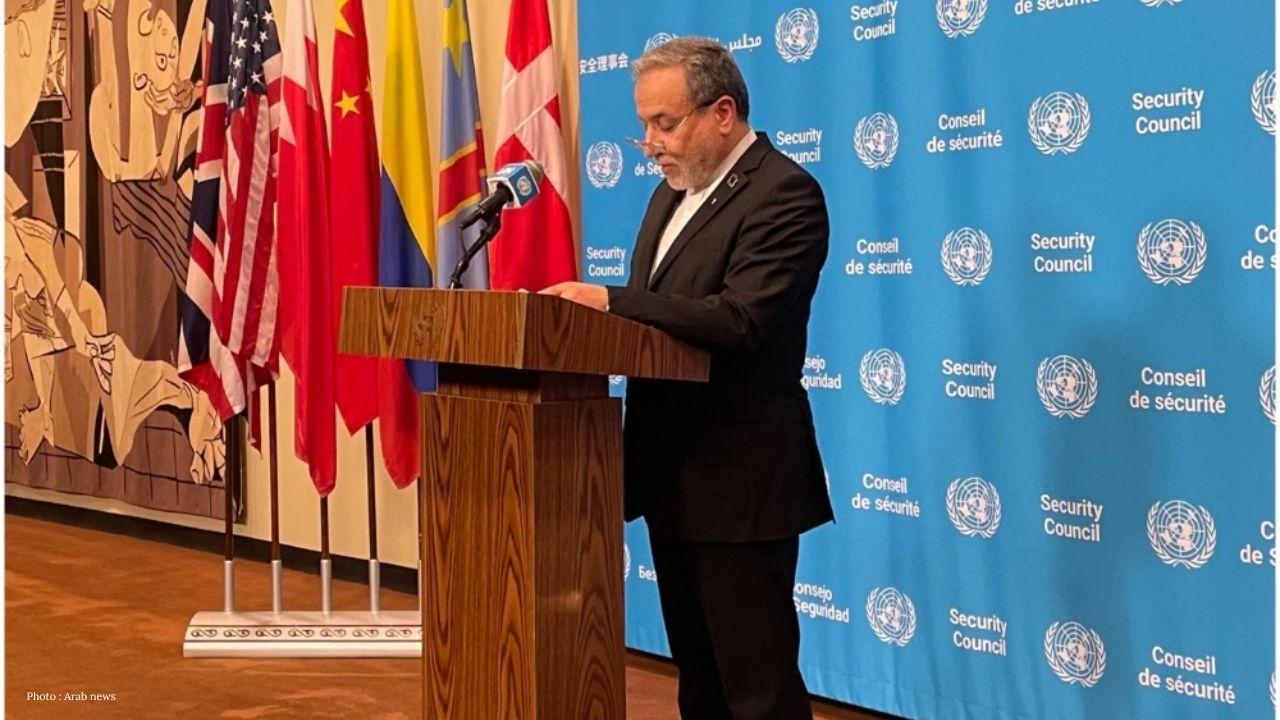
As per the reports, the agreement entails a 60-day extension of the ceasefire and an easing of shipping restrictions in the vital Strait of Hormuz. This arrangement is pending final approval from US President Donald Trump and is viewed positively by market participants, who see it as a sign of stability for the region and global trade.
This reduction in geopolitical tensions has had an immediate impact on commodity and currency markets, leading to a decline of over one percent in oil prices, marking the steepest weekly drop since early April. Investors are now moving away from defensive positions, putting additional pressure on the US dollar.
The dollar index, which gauges the strength of the greenback against a selection of major currencies, hovered around 99.045, poised to conclude the week approximately 0.3 percent down, breaking a two-week streak of gains for the currency. Analysts have noted that as diplomatic efforts gain traction, the geopolitical risk premiums that influenced markets in recent weeks are beginning to dissipate.
European currencies have remained largely stable, with the euro trading at 1.1642 dollars and the British pound at around 1.3435 dollars. Commodity-associated currencies saw minor gains, particularly the Australian dollar, while the New Zealand dollar hit its highest point in more than two weeks on expectations of early interest rate hikes by its central bank.
Experts suggest that while recent tensions in the Middle East supported the dollar temporarily, the overall trend points towards a weakness in the US currency. Investors are increasingly diversifying from dollar-denominated assets amid long-term economic concerns and evolving global investment strategies.
Attention also remains on global central bank policies. In Japan, the yen saw modest strengthening, distancing itself from the critical 160-per-dollar threshold that had previously prompted government intervention. Recent data on inflation and industrial output have fueled expectations that the Bank of Japan could consider raising interest rates in the coming months, providing additional support to the yen.
Financial markets are anticipated to stay highly sensitive to developments relating to the US-Iran negotiations, global energy prices, and decisions from major central banks. Investors will be monitoring the permanence of the ceasefire agreement and its potential impacts on broader economic and currency market trends in the coming weeks.


 English