Post by : Shweta
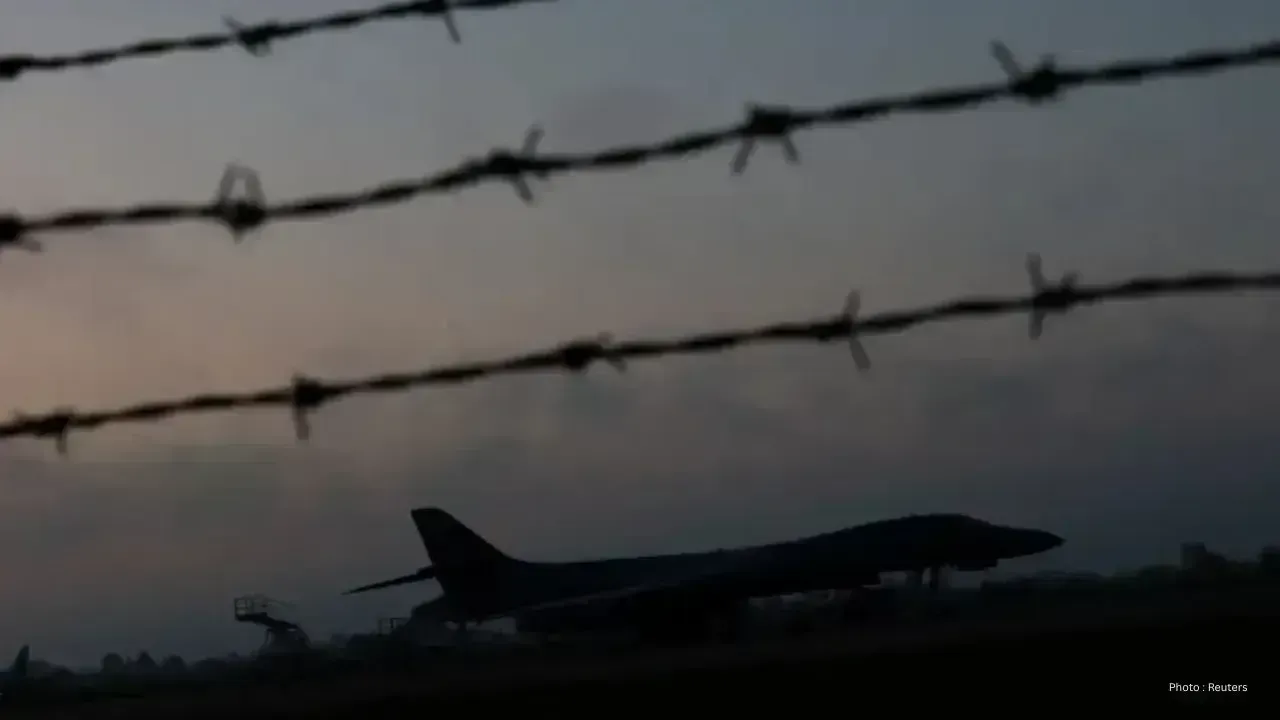
In light of escalating global conflicts, the United States is grappling with significant worries regarding its military stockpiles. Experts are sounding alarms that the current production capabilities of the US defense sector are inadequate to meet increasing demands for weaponry and munitions across various global hotspots.
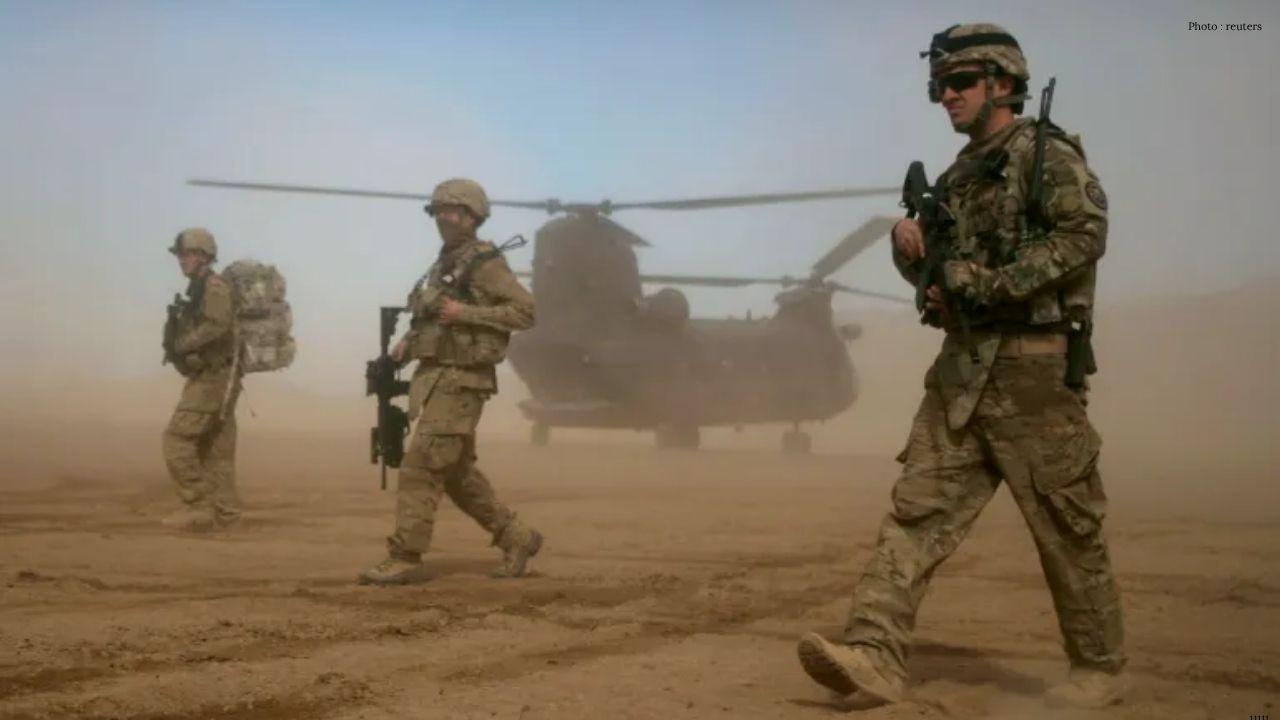
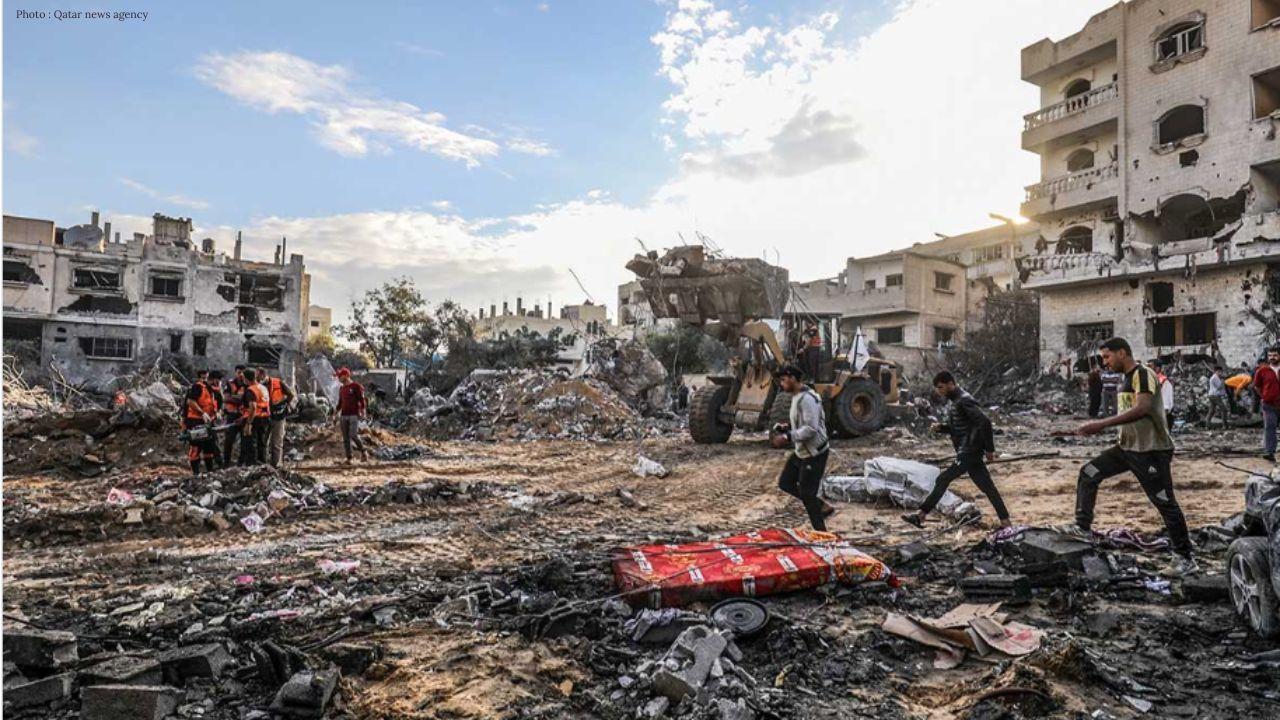
The urgency has intensified as the US has been dispatching considerable military aid, including vital weaponry and ammunition, to allies engaged in conflicts, particularly in Ukraine and the Middle East. This assistance encompasses advanced missile systems, precision-guided ordnance, artillery shells, drones, and other critical military assets. While the US remains a formidable military power, analysts stress that simultaneous support across numerous theaters is putting immense pressure on existing reserves.
Reports from US defense analysts and officials indicate that certain key weapon systems are being utilized at a rate that outpaces current manufacturing capacities. This includes crucial assets like Patriot missiles, long-range guided munitions, and artillery shells. The nature of modern warfare necessitates vast quantities of high-tech weaponry, and the production of these arms is hindered by time-consuming processes, high costs, and the need for complex materials. Some missile systems might require months or even years for full-scale production, given their intricate technological demands and global supply chains.
The ramifications extend beyond current military engagements. Experts contend that the US must remain vigilant against emerging threats, notably in the Indo-Pacific, where tensions over China and Taiwan persist. Defense strategists express concern that a new major conflict could arise while current stockpiles are already under strain, potentially jeopardizing the US's capacity to defend itself or assist its allies.
In response to these challenges, American defense manufacturers are ramping up production efforts. Key firms are expanding operations, hiring new personnel, and investing heavily in new technologies to accelerate output. The Pentagon has also engaged in substantial new contracts aimed at replenishing supplies and bolstering long-term manufacturing capability. Yet, industry insiders caution that revitalizing stockpiles is no quick task, as the defense industry relies on complex, global supply networks and limited specialized components.
Another pressing concern is the financial burden of contemporary warfare. The price tag for advanced weaponry can be staggering, with some interceptor missiles costing millions of dollars each, complicating large-scale replenishment even for a country with a robust defense budget like the United States. Congress is currently deliberating on the appropriate funding levels for defense production amidst other budgetary priorities.
Military analysts highlight that the current situation is revealing significant vulnerabilities in the global defense supply chain. After the Cold War, many Western nations downsized their military production capabilities under the misconception that large-scale conflicts were unlikely. Recent wars have demonstrated that modern combat can deplete munitions swiftly. Consequently, the US and its allies are in the process of rebuilding industrial capacities that have diminished over the years.
Despite these challenges, US authorities maintain that the nation is equipped to uphold military readiness and provide critical support for allies as necessary. Pentagon officials assert that America's defense infrastructure is adapting to contemporary security scenarios and that ongoing production enhancement efforts are yielding positive outcomes. Nevertheless, numerous analysts view the current predicament as a harbinger that future military planning will demand far greater and more stable production frameworks.
As global tensions show no signs of abating, the discourse surrounding US missile and ammunition inventories is anticipated to persist. Analysts assert that the forthcoming years will be pivotal in assessing whether the United States can successfully scale its military production while staying prepared for potential future conflicts worldwide.


 English