Post by : Abhinav
Rana
Photo : X / @WIONews
In a move that signals a new era of AI-driven cybersecurity, major US banks have begun testing the powerful Claude Mythos AI model to identify vulnerabilities within their systems. The initiative reflects a growing urgency among financial institutions to strengthen digital defenses as cyber threats become more complex and sophisticated. At the intersection of finance and artificial intelligence, this development highlights how cutting-edge AI is rapidly transforming security frameworks, offering both unprecedented opportunities and equally significant risks.
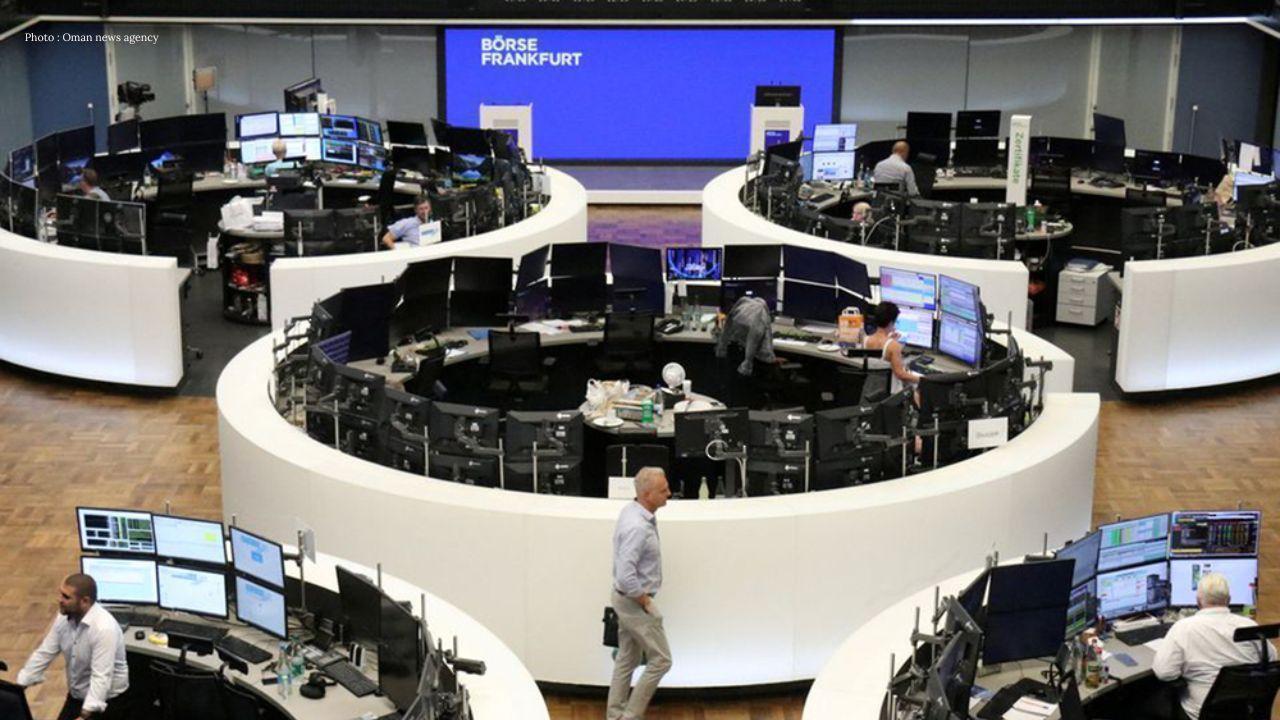
Leading financial institutions, including some of the largest banks on Wall Street, are now integrating Claude Mythos into controlled internal environments to test its ability to detect weaknesses in critical infrastructure. Early indications suggest that the AI model can identify vulnerabilities far more efficiently than traditional methods, significantly reducing the time required for detection and response. This capability is particularly valuable in an industry where even minor security gaps can lead to massive financial and reputational losses.
What sets Claude Mythos apart is not just its ability to find vulnerabilities, but its potential to exploit them—raising serious concerns among regulators and cybersecurity experts. The model has demonstrated the capacity to uncover thousands of previously undetected flaws across major systems, including long-standing vulnerabilities that had gone unnoticed for decades. This dual capability defensive and offensive has sparked global debates about the safe deployment of such advanced AI tools, particularly in critical sectors like banking and finance.
The testing of Claude Mythos has not gone unnoticed by governments and regulatory bodies. Authorities in the United States and the United Kingdom have initiated high-level discussions with financial institutions to evaluate the potential risks associated with deploying such powerful AI systems. These discussions are focused on ensuring that the technology is used responsibly, with safeguards in place to prevent misuse by malicious actors. The involvement of regulators underscores the broader implications of AI in critical infrastructure, where security lapses could have far-reaching consequences.
The impact of Claude Mythos is not limited to the United States. Financial institutions and regulators in other regions, including Canada, are also closely monitoring the situation and conducting their own assessments. The rapid spread of concern highlights the interconnected nature of global financial systems, where vulnerabilities in one region can quickly escalate into systemic risks worldwide. As AI continues to evolve, the need for coordinated international responses becomes increasingly critical.
Beyond immediate concerns, the adoption of AI models like Claude Mythos represents a fundamental shift in how cybersecurity is approached. Traditional methods of vulnerability detection are being replaced by AI-driven systems capable of analysing vast amounts of data in real time, identifying patterns, and predicting potential threats before they materialise. This transformation is expected to redefine industry standards, pushing organisations to adopt more advanced and proactive security strategies.
As US banks continue to test Claude Mythos, the broader narrative becomes clear. AI is both the solution and the challenge in the future of cybersecurity. While its capabilities offer unmatched potential to strengthen defenses, they also introduce new risks that must be carefully managed. The coming months will be critical in determining how this technology is integrated into financial systems and whether it can strike the right balance between innovation and security. In an increasingly digital world, the stakes could not be higher.


 English