Post by : Saif
Al-Najjar
In the wake of a military operation to capture ousted President Nicolás Maduro and his spouse, the United States is navigating a complex scenario in Venezuela. President Donald Trump has asserted U.S. control over the oil-rich nation, albeit temporarily, while Secretary of State Marco Rubio offered a more meticulous perspective, underlining the need for an existing oil quarantine.
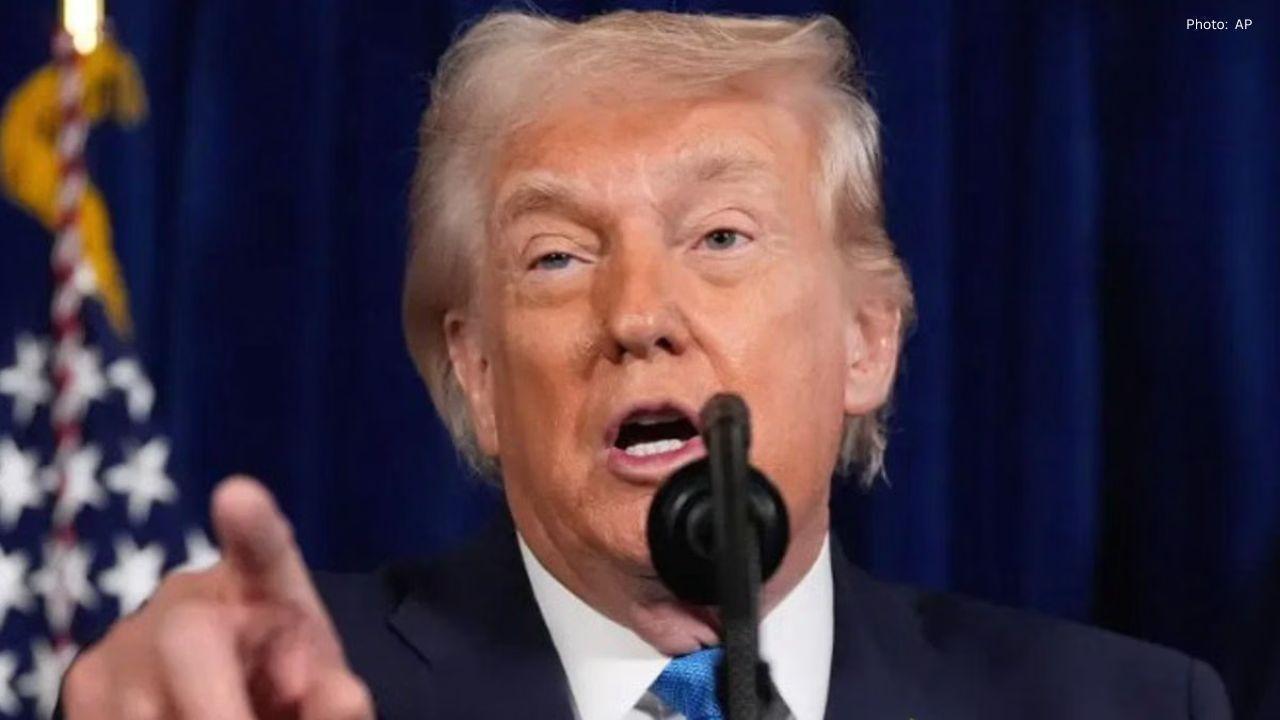
Speaking to media aboard Air Force One, Trump declared, “we’re in charge” and expressed intentions to “set Venezuela back on track.” He further criticized opposition leader María Corina Machado, claiming she lacks the necessary support to lead the nation, suggesting a direct U.S. involvement in Venezuelan governance.
Earlier, Rubio clarified that day-to-day governance would not fall under U.S. control. The goal, he stated, is to maintain the oil embargo to leverage reforms in the oil sector and combat drug trafficking. “That’s what control the president is referring to,” he noted during an appearance on CBS’ Face the Nation.
In Caracas, interim leader Delcy Rodríguez adopted a conciliatory tone after the military action, inviting the U.S. for collaboration on shared development goals, all while couching her appeal in terms of international law. This change is significant, contrasting with her previous condemnation of U.S. intervention and calls for Maduro's release.
Despite the shift in rhetoric, Trump maintained that he anticipates complete access to Venezuela’s resources, including major oil operations and essential infrastructure. “We need access to oil and other resources that will help us rebuild their country,” he affirmed.
The U.S. military action resulted in losses; Cuban officials confirmed the deaths of 32 Cuban security personnel. Trump acknowledged these casualties, while Venezuela's Supreme Court recognized Rodríguez as the acting president.
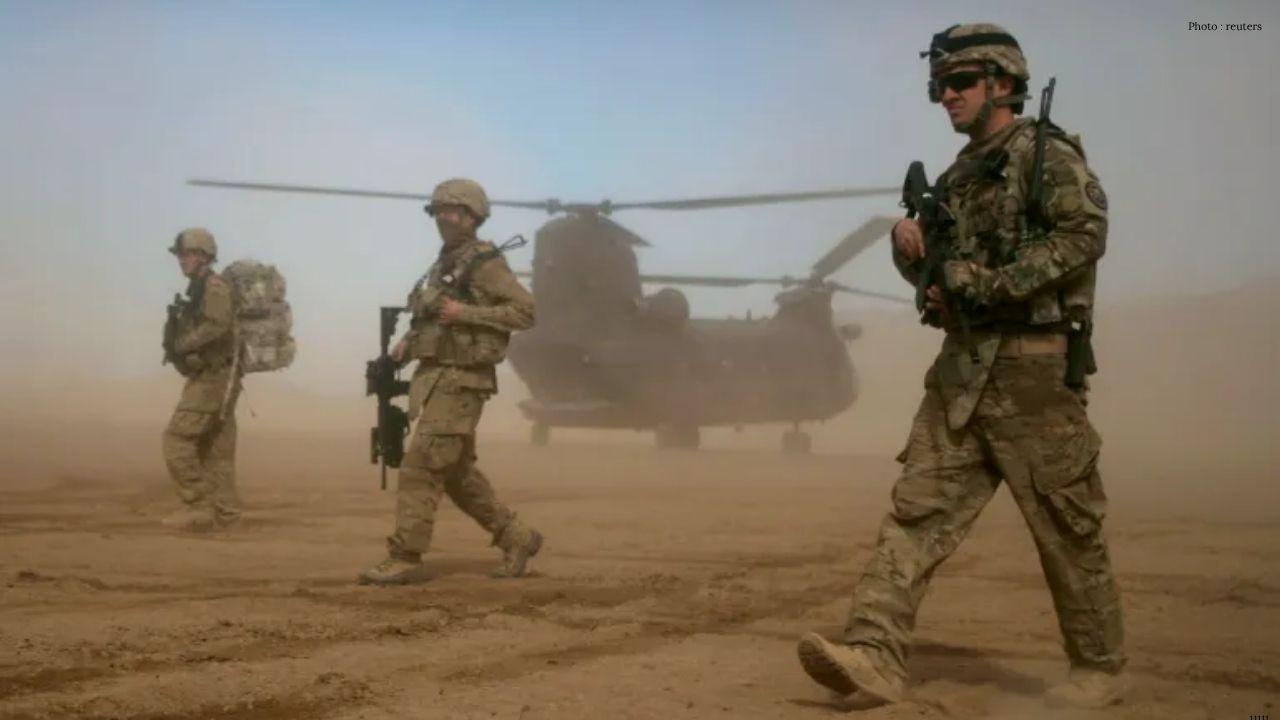
The situation in Venezuela remains volatile, with Washington asserting its control while the country processes a rapid regime change. The U.S. strategy combines military intervention with economic pressure via the oil embargo, reflecting a broader approach to influence Venezuelan policy without delving into long-term nation-building.
Experts warn that this operation raises significant concerns regarding international law, sovereignty, and regional stability. Although Trump's administration frames the initiative as a method to restore order and counter criminal activities, the real challenge will be to sustain influence without igniting further conflict or prolonged instability in Venezuela.


 English