Post by : Bianca
Haleem
As diplomatic discussions evolve, the United States emphasizes the urgency for Iran to secure a solid agreement to prevent escalated conflicts. Ongoing negotiations address sensitive nuclear matters amid rising regional tensions.
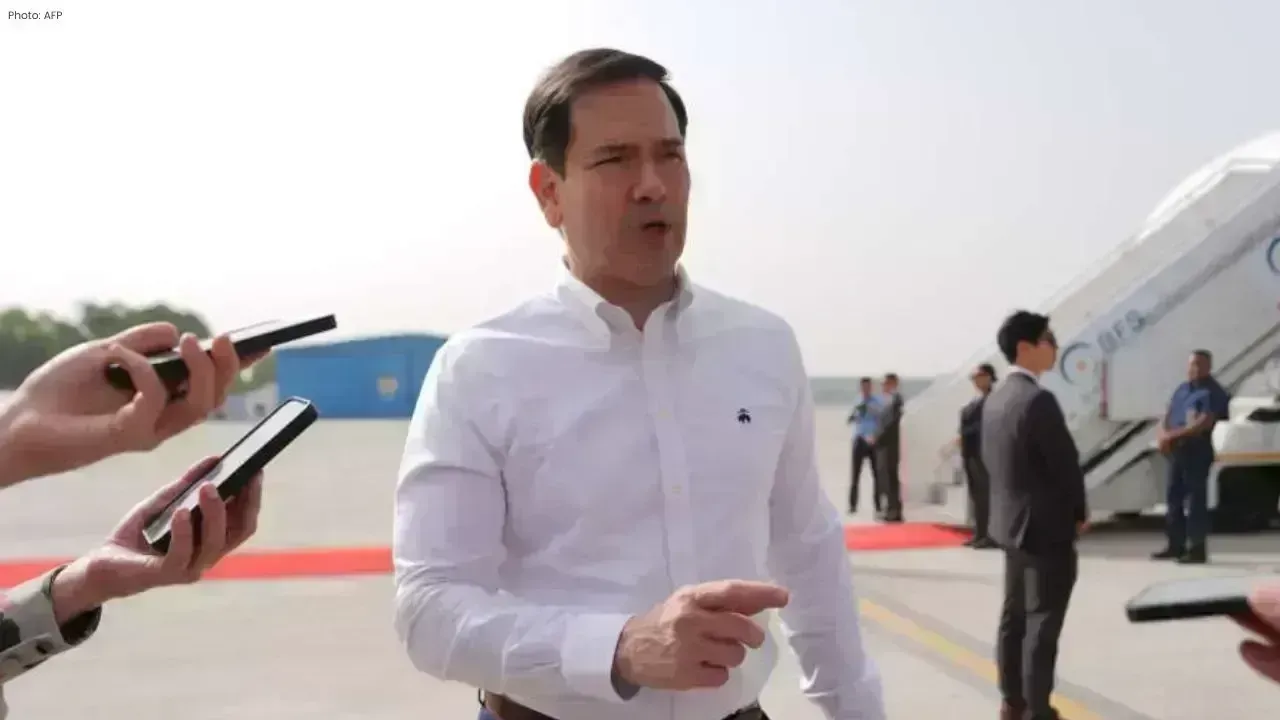
In New Delhi, US Secretary of State Marco Rubio reiterated the commitment to diplomacy and shared optimism about an impending agreement on Iran's nuclear program and the status of the Strait of Hormuz.
Rubio mentioned a compelling proposal that may pave the way for Iran to reopen the Strait of Hormuz while engaging in a structured, yet time-sensitive negotiation regarding nuclear issues. He expressed hope for achieving a conclusive agreement.
Prior to this, President Donald Trump cautioned against a hasty resolution, asserting that the US would uphold its maritime blockade on Iranian vessels until a formal contract is fully executed.
Official responses from Iran to the latest comments from the US remain pending. Nevertheless, reports from the Iran-aligned Tasnim news agency indicate significant disagreements on critical points, particularly Iran's insistence on accessing frozen assets abroad.
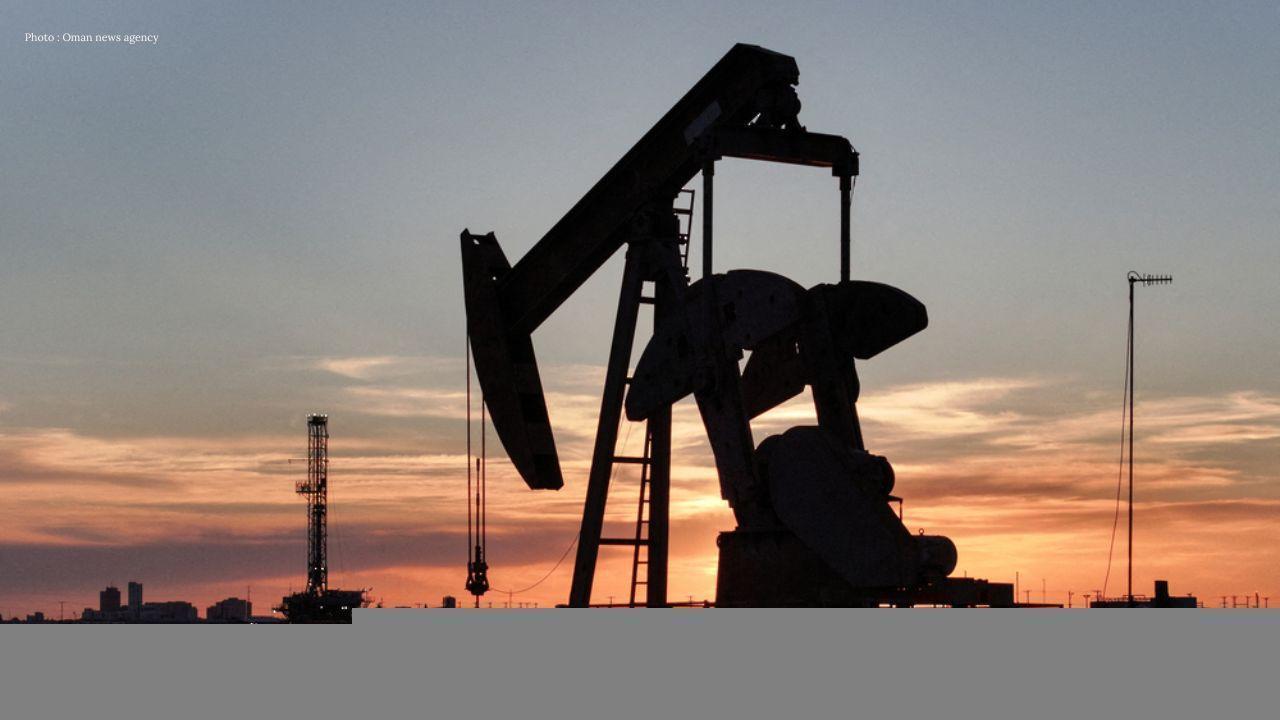
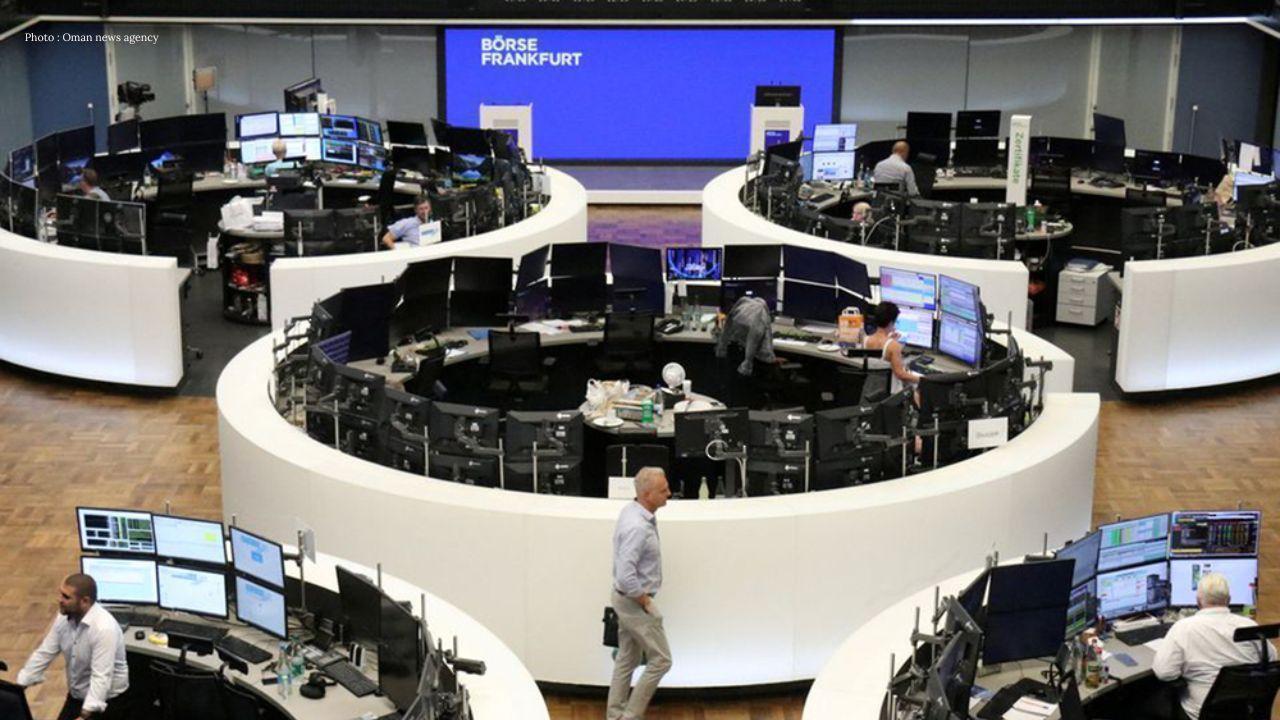
Global oil prices experienced a decline of nearly 6 percent as optimism grew regarding renewed negotiations. Trump highlighted that the two nations had entered a significant phase of understanding that could potentially reactivate the Strait of Hormuz, crucial for oil transport.
Historically, the Strait of Hormuz has facilitated nearly 20 percent of global oil and LNG markets, making it indispensable for worldwide energy distribution.
Despite constructive progress, several obstacles remain unresolved, including Iran's nuclear ambitions, the terms for sanctions relief, and the release of Iranian oil reserves. Additionally, rising tensions from Israel and Hezbollah in Lebanon complicate the situation.
According to a senior US official, Iran has tentatively agreed to the reopening of the Strait in return for lifting the American naval blockade. This source also indicated Iran's willingness to address its stockpile of enriched uranium.
Reportedly, Iran's Supreme Leader, Mojtaba Khamenei, has lent support to the general outline of the suggested accord, although this has yet to be confirmed by Iranian officials.
US representatives clarified that the initial phase would aim at restoring traffic through the strait and lifting the blockade, while further detailed discussions on nuclear strategies would follow. A proposed timeline of 60 days has been set for finalizing the overall agreement.
Iran has consistently denied US and Israeli allegations regarding nuclear weapon development, asserting that the enrichment fits solely within peaceful civilian objectives.
Tensions between the US, Israel, and Iran continue to disrupt global energy markets, sparking additional worries about rising fuel and commodity prices. Since early April, a tenuous ceasefire has prevailed, though regional tensions remain volatile.


 English