Post by : Shweta
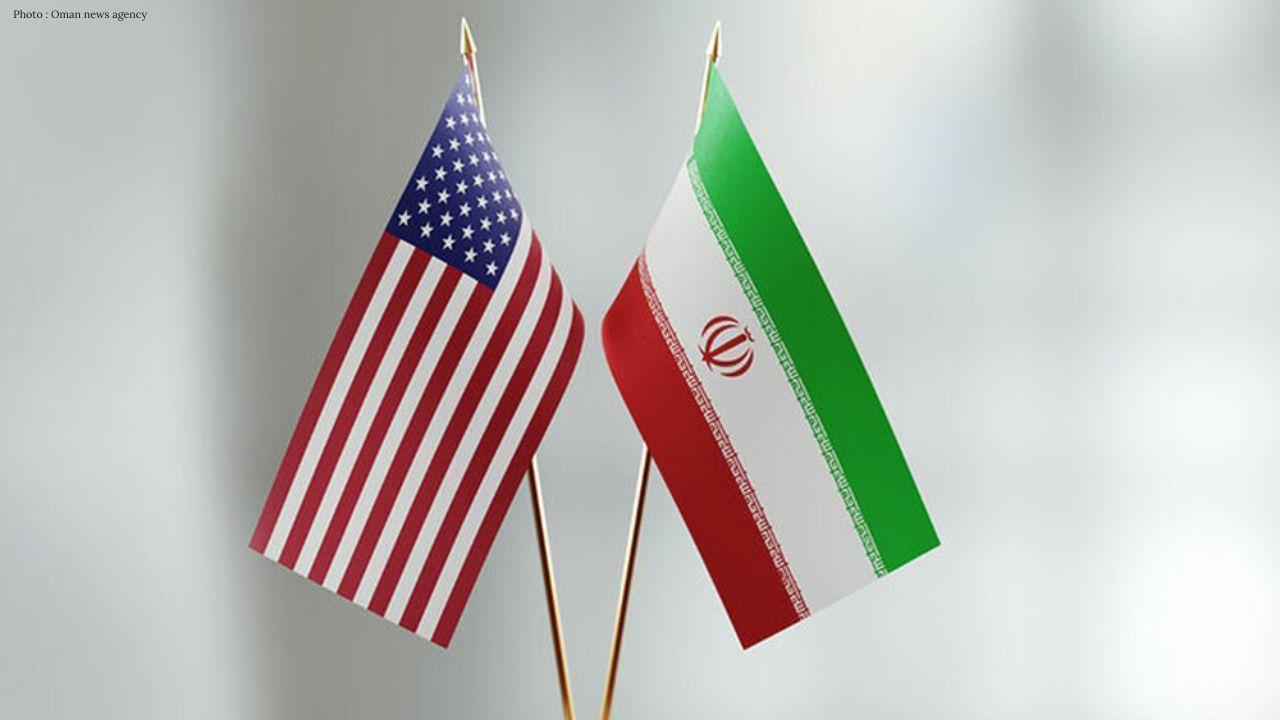
In the wake of prolonged negotiations between the United States and Iran that concluded without a consensus, global observers are left speculating on the future of an already volatile conflict.
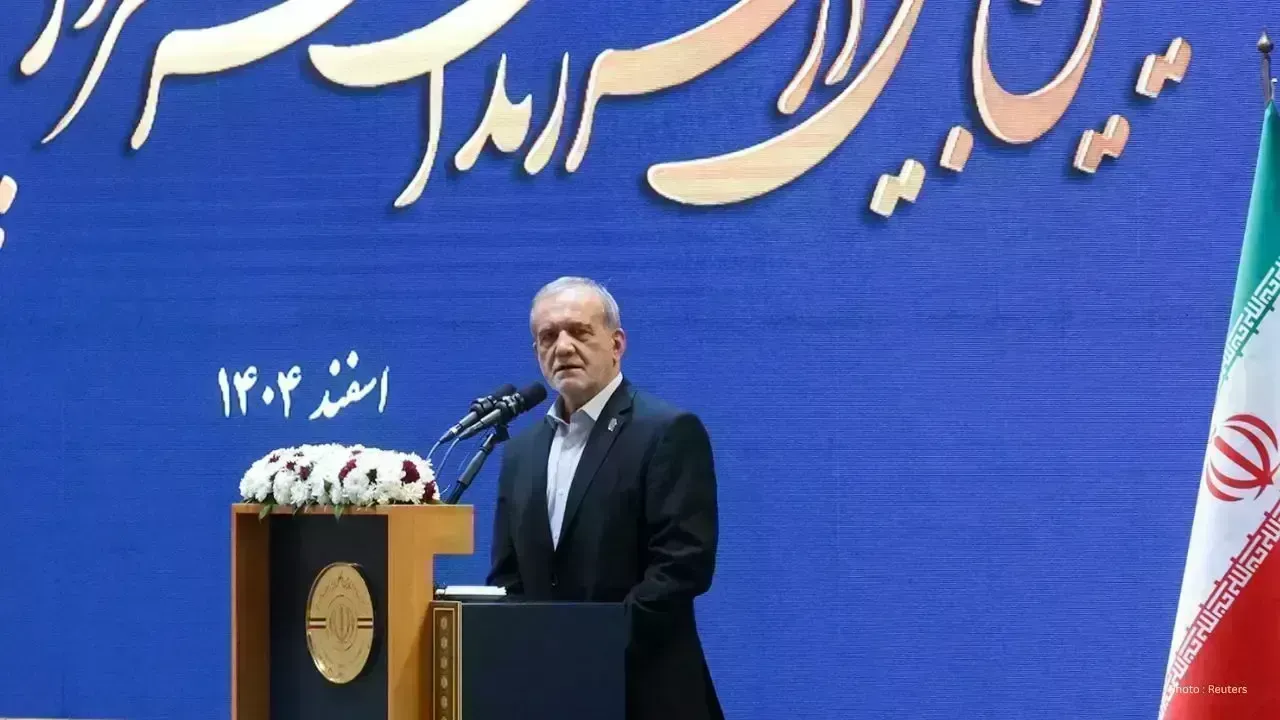
The extensive talks, involving US Vice President JD Vance and Iranian representatives, spanned over 21 hours in Islamabad. Despite vigorous dialogue, significant gaps between the two sides, particularly concerning Iran's nuclear ambitions and authority over the Strait of Hormuz, were left unclosed.
These discussions marked a notable diplomatic attempt between two nations with a fraught history spanning decades. Even getting to the negotiation phase was seen as a breakthrough, given both countries’ reluctance to engage directly at this level. Nevertheless, entrenched issues and enduring distrust complicated the potential for a successful agreement.
At the core of the contention lies Iran's nuclear program. The United States demands assurances against Iran developing nuclear arms, while Iran asserts its right to uphold a peaceful nuclear initiative, including the mechanisms for uranium enrichment. This fundamental divergence continues to obstruct any potential resolution.
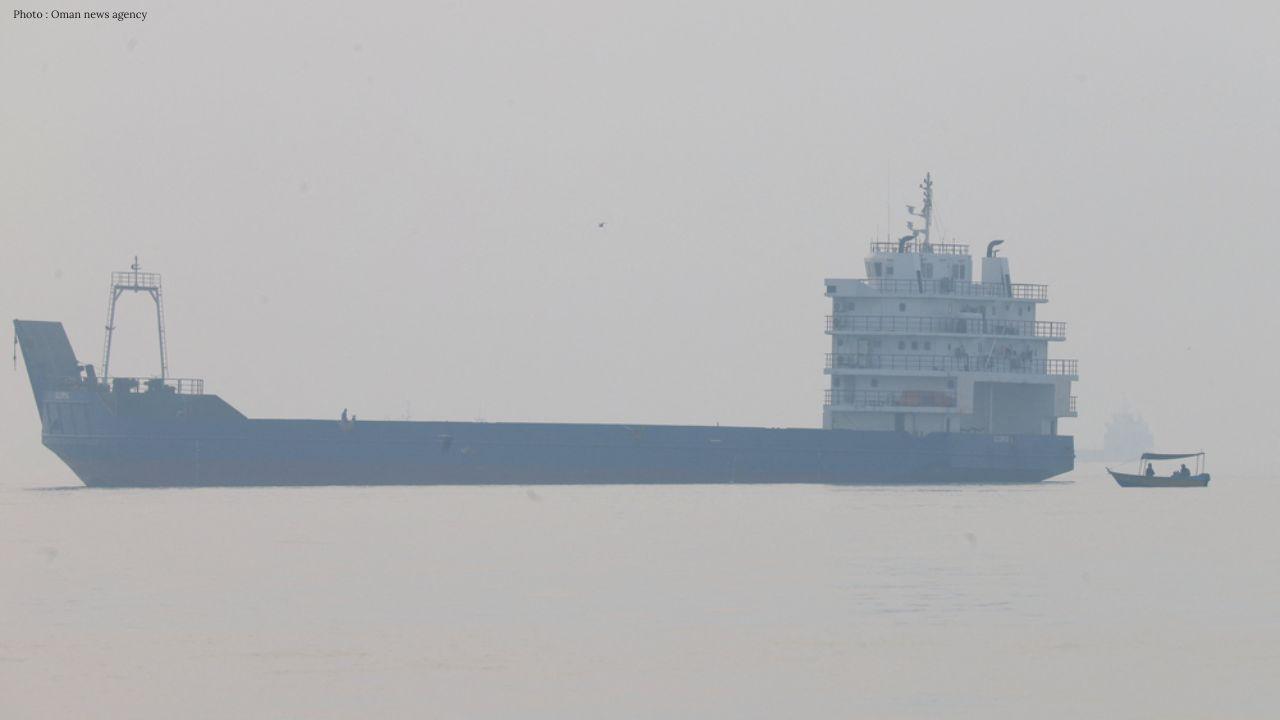
The Strait of Hormuz issue adds another layer of complexity, as it's a pivotal maritime corridor for global energy. Iran's influence over this vital passage has exacerbated tensions, impacting the international oil landscape. The US advocates for uninterrupted global access, whereas Iran has tied its positions to wider security and political considerations.
On the brighter side, even though the formal discussions floundered, there are signals that communications might persist informally. Sources indicate that contact between both nations may continue, even post the official conclusion of the talks. Pakistan, the host of these discussions, has also shown eagerness to facilitate future engagements in the days ahead.
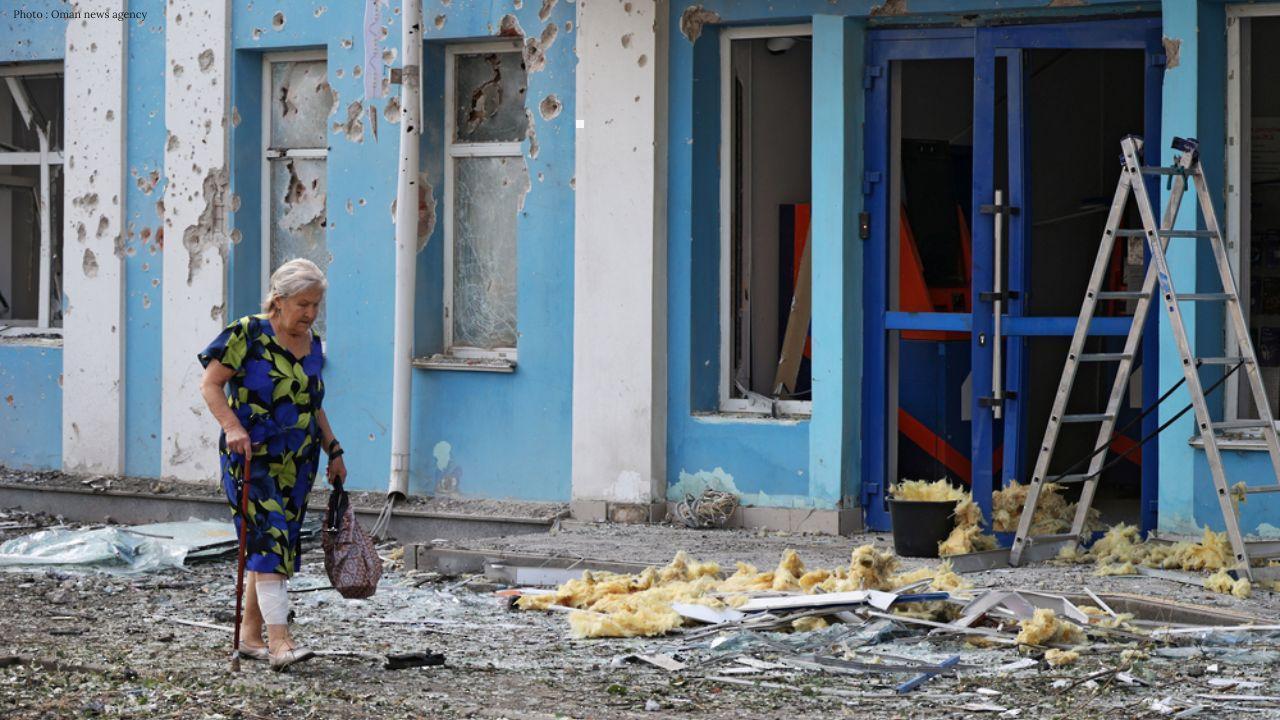
Despite these dynamics, the pending ceasefire due to lapse on April 22 leaves much uncertainty. The next steps remain unspecified if a consensus is not achieved by the deadline, evoking worries about a slide back into military conflict.
Analysts highlight the inherent complexity of such negotiations. Previous agreements, notably past nuclear pacts, have unfolded over extended periods, often entailing numerous hurdles. Within this framework, the latest talks may not be entirely deemed unsuccessful, but rather as the nascent phase of a protracted diplomatic endeavor.
Currently, the landscape is fraught with tension. Both the US and Iran seem ready to either recommence negotiations or heighten pressure, leaving the ultimate scenario shrouded in ambiguity. The next few days are poised to be crucial in deciding whether dialogue will endure or if the situation will escalate further.


 English