Post by : Saif
Al-Najjar
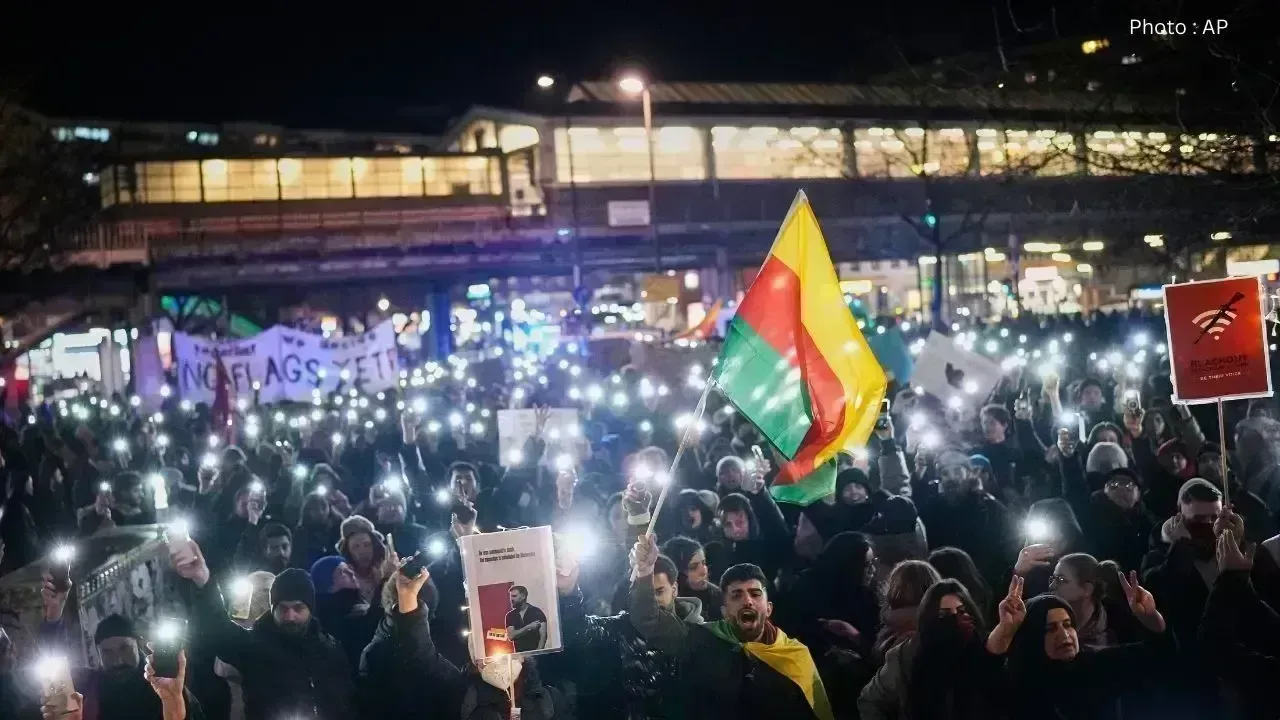
The United Nations Security Council is poised to convene for an emergency session aimed at addressing the severe protests erupting in Iran. Requested by the United States, this meeting comes amid escalating violence in Iran and growing global apprehension regarding fatalities and the government's harsh response.
In recent weeks, protests have proliferated throughout Iran, with demonstrators seeking significant political and social reforms. A U.S.-based human rights organization reports that at least 2,615 individuals have lost their lives during the government's crackdown, marking a particularly deadly chapter of unrest in Iran, reminiscent of the upheaval during the 1979 Islamic Revolution.
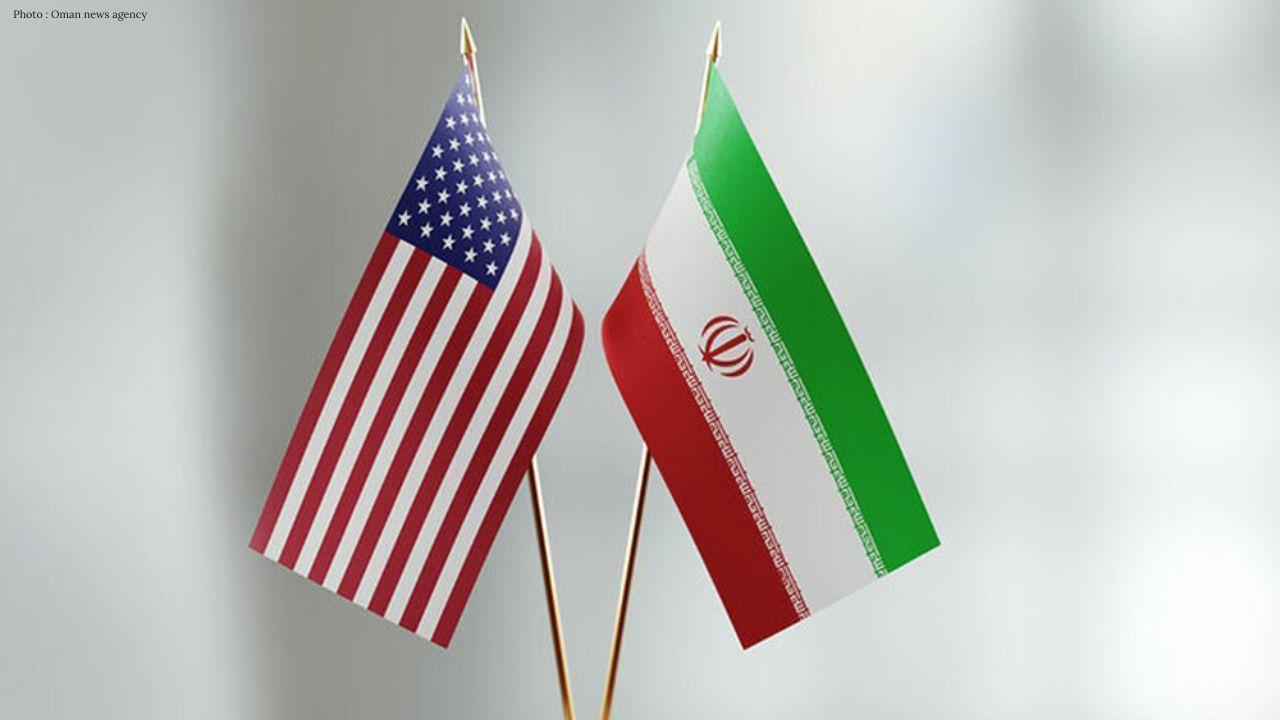
This turmoil has exacerbated tensions between Iran and the United States, with President Donald Trump issuing warnings about potential actions in light of the ongoing killings of protesters, including implications surrounding executions and detentions. However, specifics regarding the U.S. response remain unclear. In a potential attempt to de-escalate tensions, Iranian officials have slightly moderated their rhetoric.
Concerns regarding security have transcended Iran’s borders. The nation temporarily halted its airspace to commercial flights, citing no reasons for the closure, which has led to uncertainty in the region. Moreover, personnel at a significant U.S. military installation in Qatar were advised to evacuate, and the U.S. Embassy in Kuwait has briefly restricted travel for its staff to several military locations, highlighting fears that unrest in Iran could spiral into broader regional instability.
The crisis is also casting shadows over daily life and religious customs. In Iraq, attendance from Iran for an annual pilgrimage to honor the Shiite Imam Musa al-Kadhim was notably lower, attributed to both travel restrictions and apprehension wrought by the unrest back home.
Air travel across the Middle East faces disruptions as well. Lufthansa, Europe's largest airline group, announced a halt on night flights to Tel Aviv and Amman, citing safety concerns while relocating its flights away from Iranian and Iraqi airspace. This illustrates the widespread impact of the crisis on international travel and trade.
Within Iran, state media refutes claims that a young protester named Erfan Soltani has been sentenced to death, asserting instead that he is in detention on charges of acting against the government. Opposition media reports, however, have stirred fears among families of detainees and human rights advocates due to the lack of transparent information.
Global condemnation is resounding, as evidenced by New Zealand’s foreign minister expressing his government’s dismay over the violence and suppression in Iran. He affirmed the rights of Iranians to protest peacefully, emphasizing the need to protect these fundamental freedoms.
As the UN Security Council gears up for its discussions, many are hopeful that international pressure will lead to a mitigation of violence and enhanced civilian protection. The upcoming deliberations will likely focus on human rights issues, regional security, and potential diplomatic avenues. Meanwhile, the situation in Iran remains fraught, with global observers keenly awaiting further developments.


 English