Post by : Shweta
A group of United Nations envoys has appealed to U.S. President Donald Trump, urging him to oppose any proposed annexation of Palestinian land by Israel. They caution that such actions could destabilize the Middle East and jeopardize enduring international efforts aimed at resolving the Israeli-Palestinian conflict peacefully.
This request emerges amidst renewed international discussions concerning disputed territories, alongside rising worries about the negative ramifications that unilateral decisions may inflict on regional stability. The UN representatives insist that the United States leverage its diplomatic power to deter any moves that might alter the current status regarding Palestinian claims.
According to these envoys, annexation poses severe issues under international law and could complicate any future peace talks. They underscore that modifications to territorial lines without mutual consent between Israelis and Palestinians would hinder the pursuit of a sustainable political solution.
The UN has long upheld a two-state solution as the optimal pathway to resolving this longstanding conflict. This framework envisions peaceful coexistence between Israel and a prospective Palestinian state with mutually recognized borders and security protocols. UN officials emphasize that any final resolutions should emerge from direct negotiations among the principal stakeholders.
This latest appeal reflects deeper anxieties within the international community regarding the viability of the peace process. Diplomatic attempts to settle the dispute have encountered numerous obstacles historically, and many analysts argue that actions impacting contested territories might severely diminish opportunities for significant negotiations.
Traditionally, the United States has played a crucial role in diplomatic relations within the Middle East, often serving as a primary mediator in Israel-Palestine discussions. Given Washington’s close association with Israel, UN representatives believe they hold substantial sway over future developments concerning territorial matters.
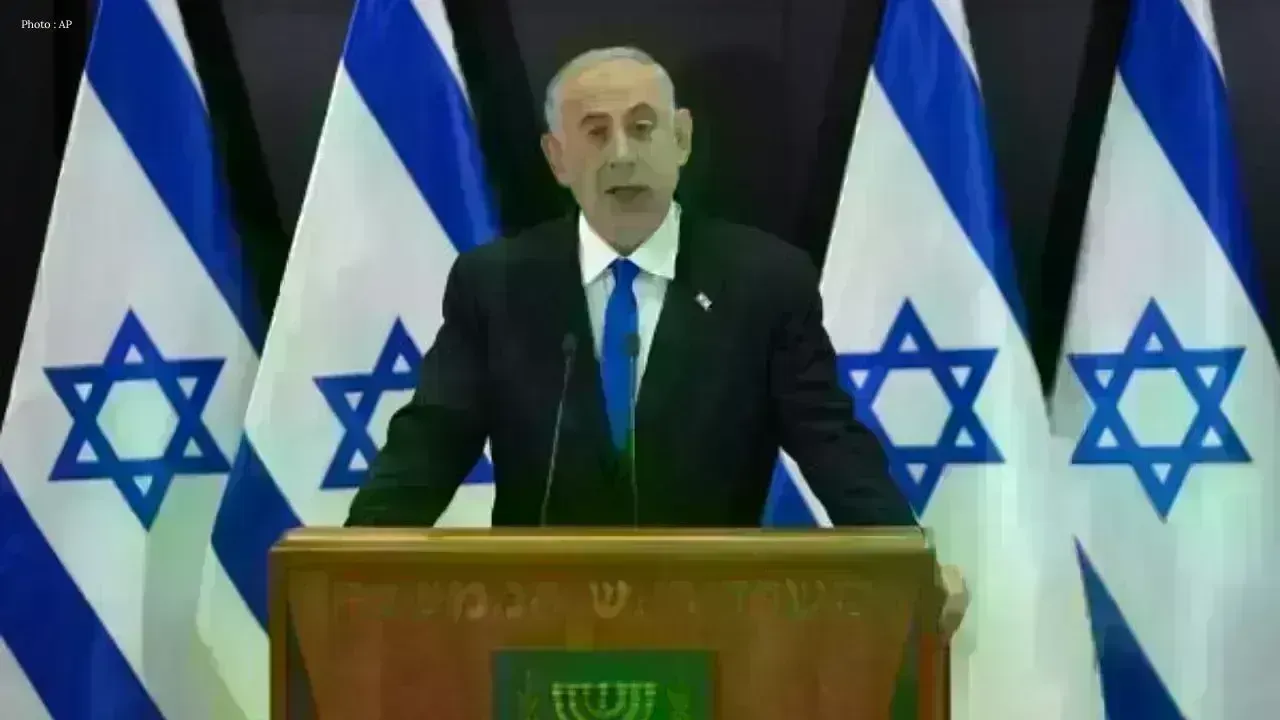
Israeli officials have previously claimed that matters of security, historical ties, and national interests must be factored into discussions about the status of disputed areas. Conversely, Palestinian authorities argue that any form of annexation would infringe upon their rights and deteriorate chances for establishing an autonomous Palestinian state.
The issue remains one of the most complex and sensitive in international diplomacy. Negotiations surrounding boundaries, settlements, security, refugees, and Jerusalem's status have persisted for decades without reaching a comprehensive peace agreement.
Regional powers and international entities remain vigilant, watching developments closely. Several nations advocate for preserving the current legal and diplomatic status quo while encouraging both parties to re-engage in negotiations. Many diplomats reiterate that dialogue is essential for easing tensions and averting further conflict.
Experts caution that significant alterations in the status of contested territories could reverberate beyond Israel and Palestine, potentially influencing broader regional relations and shaping future international diplomacy in the Middle East.
The call to President Trump underscores persistent worries about safeguarding the possibility of a negotiated solution. UN representatives highlight that contemporary decisions could play a pivotal role in shaping the future of peace efforts and the stability of the region.
Though no immediate policy shifts have been indicated, the UN envoys' statement highlights the continuous global focus on the Israeli-Palestinian situation. Ongoing diplomatic discussions are anticipated as various governments and international organizations aim to mitigate tensions and foster constructive dialogue.
As discussions about annexation and territorial status unfold, key international players, particularly the United States, will remain in the spotlight. The coming months are likely to be crucial in determining whether revitalized diplomatic endeavors can help ensure prospects for the peaceful resolution of one of the world's enduring conflicts.
For up-to-date significant developments and extensive coverage, stay connected with us.


 English