Post by : Saif
Al-Najjar
In a significant diplomatic move, envoys from Ukraine, Russia, and the United States convened in Abu Dhabi this week for crucial discussions regarding the ongoing conflict in Ukraine, which has persisted for nearly four years. The primary focus was on the contentious eastern Donbas region, a key issue in ongoing peace talks.
Ukrainian President Volodymyr Zelenskyy emphasized the importance of the Donbas situation, with the United Arab Emirates framing the meetings as a step toward fostering dialogue and seeking political resolutions to the ongoing war. The White House characterized the discussions as "productive," while acknowledging that numerous hurdles still exist.
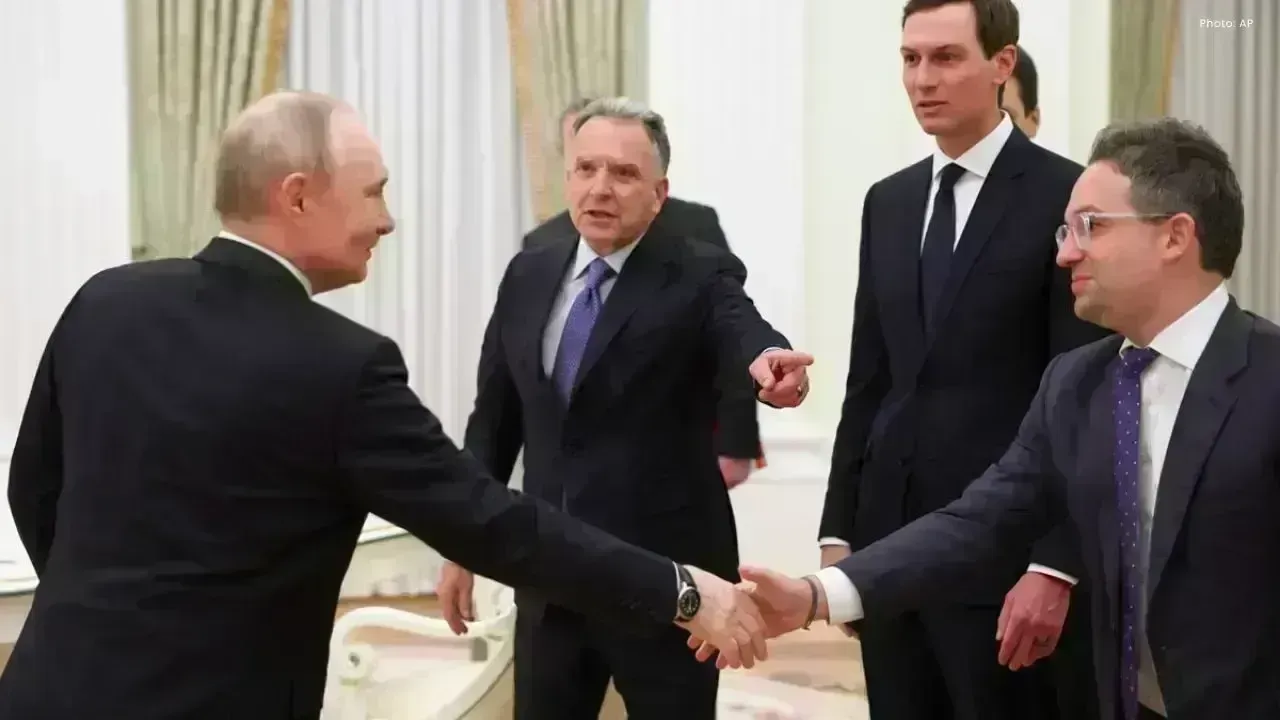
Notably, just hours prior to the Abu Dhabi meeting, Russian President Vladimir Putin engaged with U.S. envoys Steve Witkoff and Jared Kushner in Moscow. Russia maintained that any viable peace agreement would require the withdrawal of Ukrainian forces from territories in the east that have been annexed, despite not being fully under their control.
After a meeting with former U.S. President Donald Trump in Davos, Zelenskyy indicated that peace proposals are on the verge of being finalized. He also put forth the idea of establishing a free trade zone under Ukrainian oversight in the eastern region, which he believes would bolster local businesses.
These talks marked the first instance where representatives from the Trump administration engaged simultaneously with both Ukrainian and Russian officials. Zelenskyy informed that the Ukrainian side provided updates consistently, highlighting that Russia must also demonstrate a commitment to ending the conflict it initiated.
Kremlin representatives confirmed that discussions revolved around security concerns, particularly the Russian demands for the withdrawal of Ukrainian forces from Donbas, described as "crucial." Furthermore, Russian officials broached the topics of buffer zones and control measures, with military leaders and NATO representatives included among U.S. delegations.
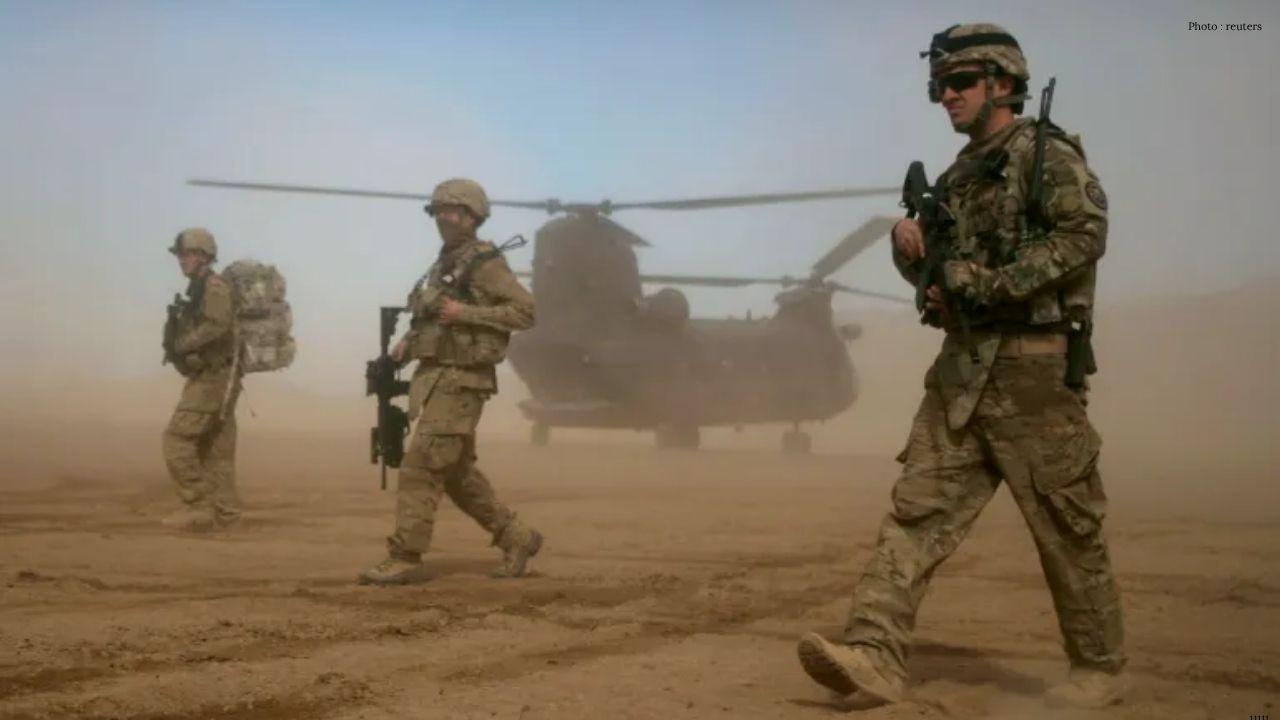
The ongoing war has resulted in severe losses for both parties. Since 2014, Russia has occupied about 20% of Ukrainian territory, with the large-scale invasion in 2022 inflicting heavy military and economic tolls. Ukraine is grappling with shortages in finances, personnel, and military supplies, even amid heightened domestic arms production. Reports reveal up to 200,000 troop desertions and nearly 2 million individuals avoiding conscription.
Zelenskyy has voiced criticism towards Europe over its sluggish response, inadequate defense spending, and ineffective enforcement of sanctions against Russia. He argued that Europe must enhance its security measures and take decisive actions, in contrast to the proactive steps taken by the U.S. on global matters.
While the Abu Dhabi discussions represent a pivotal move towards peace, numerous challenges lie ahead. Negotiators will need to reach consensus on territorial management, security assurances, and economic strategies. The resultant agreements will significantly influence Ukraine's future and could impact international relations on a larger scale.


 English