Post by : Shweta
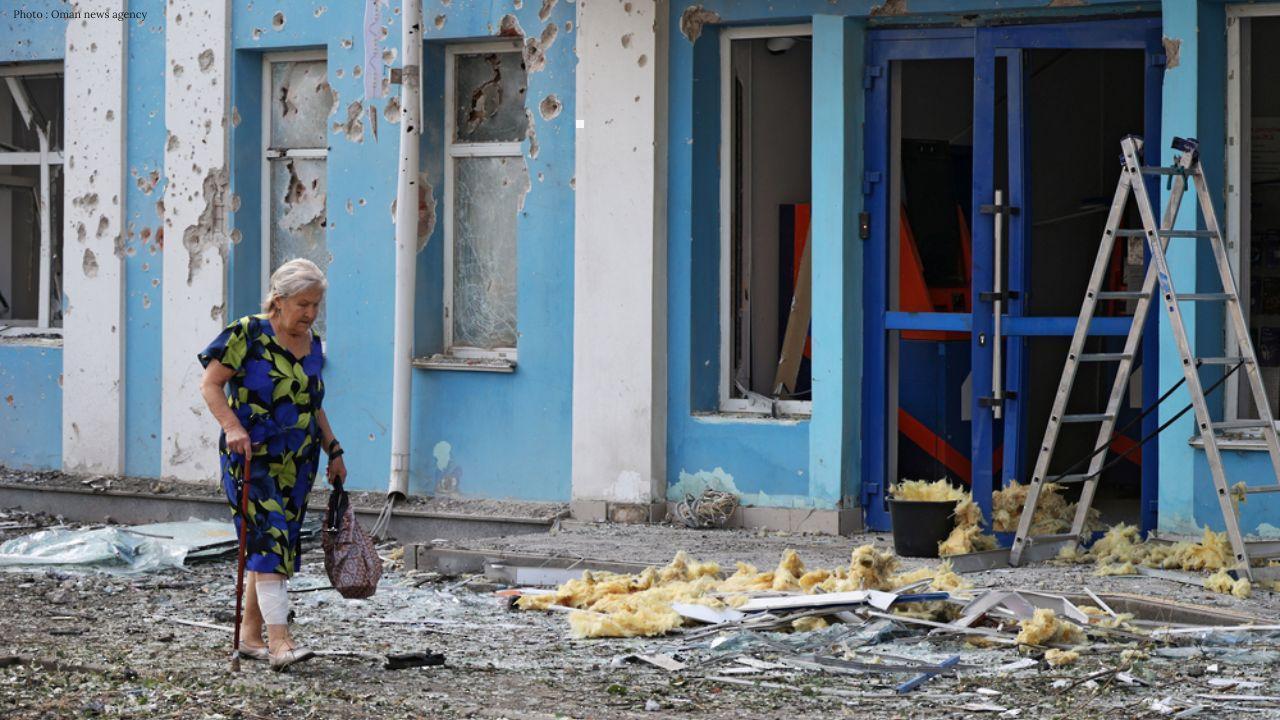
The Ukrainian Ministry of Defence has embarked on a thorough technical examination of missile debris suspected to be from North Korean models. This analysis reveals distinctive design elements that differentiate them from Russian missile systems, specifically focusing on debris retrieved following a strike in Kharkiv in early 2024.
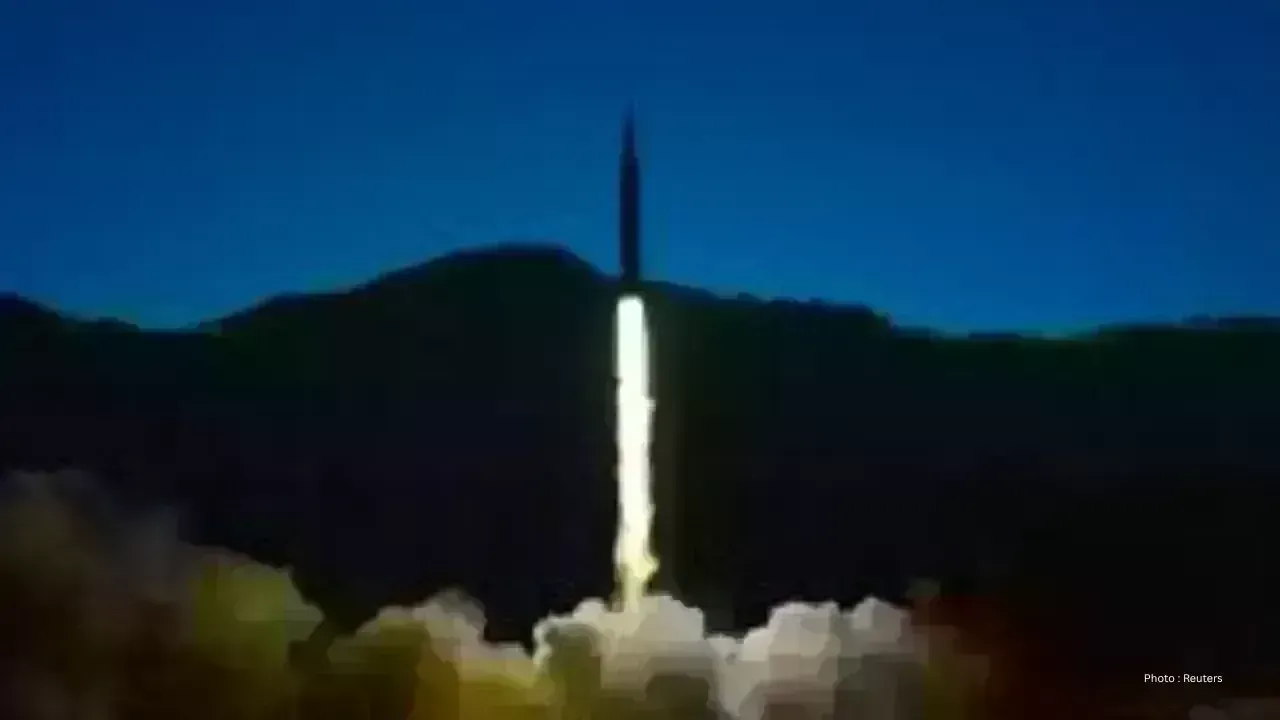
Officials confirmed that the debris closely resembles the KN-23 and KN-24, both short-range ballistic missiles developed in North Korea. Engineers have identified unique structural traits, particularly in the missile shapes. For instance, the KN-23 features a tail diameter of 110 cm that tapers to 90 cm at the front, a specification not typically seen in foreign missile designs. In contrast, the KN-24 has a diameter of around 100 cm.
Moreover, experts noticed several technical affinities between the debris and publicly available imagery from North Korean production facilities. This includes specific bolt patterns surrounding the engine nozzle and specially designed compartments for satellite navigation components.
While some similarities exist with Russian missile systems like the 9M723 Iskander, Ukrainian authorities assert that the KN-23 and KN-24 are neither exact replicas nor licensed versions. However, there are suggestions that North Korea may have modified early design concepts related to the Iskander during development.
The investigation also uncovered variances in engineering quality and materials. The North Korean missiles were found to utilize less effective propellants and larger engine structures to achieve comparable range capabilities. Additionally, the manufacturing methods appeared outdated, with soldering quality reflecting older industrial practices.
Investigators highlighted the use of commercially available electronic parts within the control units, alluding to the potential acquisition of some components through indirect means despite ongoing international sanctions. The missiles also feature a graphite nose cone to endure high thermal conditions during flight, a budget-friendly yet less sophisticated solution compared to contemporary thermal protection technologies.
These forensic investigations are integral to enhancing understanding of advancing missile technologies and evaluating potential threats amid the ongoing conflict between Ukraine and Russia.


 English