Post by : Saif
Al-Najjar
The situation in Eastern Europe has escalated as Ukraine alerts the world to Russian missiles flying in close proximity to the Chornobyl Nuclear Power Plant. This alarming news raises serious concerns regarding the potential for a nuclear accident that could have dire implications for Ukraine and its nearby neighbors.
Chornobyl is infamous for being the site of one of history's worst nuclear disasters, the Chernobyl disaster. Although efforts have been made to secure the area, it remains a highly sensitive zone that requires continuous vigilance. Any disruption in this terrain could have catastrophic consequences.
Ukrainian officials have noted missiles crossing dangerously close to this critical area amid ongoing assaults. While no direct hits have struck the nuclear site itself, the risks remain alarmingly elevated. A single misfire or falling debris could compromise essential safety systems, potentially leading to a radiation leak that would be challenging to manage.
This concern transcends Ukrainian borders; nuclear contamination does not recognize geographical limitations. Radiation can migrate through air and waterways, threatening distant countries. As a result, the international community is closely monitoring developments near Chornobyl, aware that even minor incidents could yield extensive repercussions.
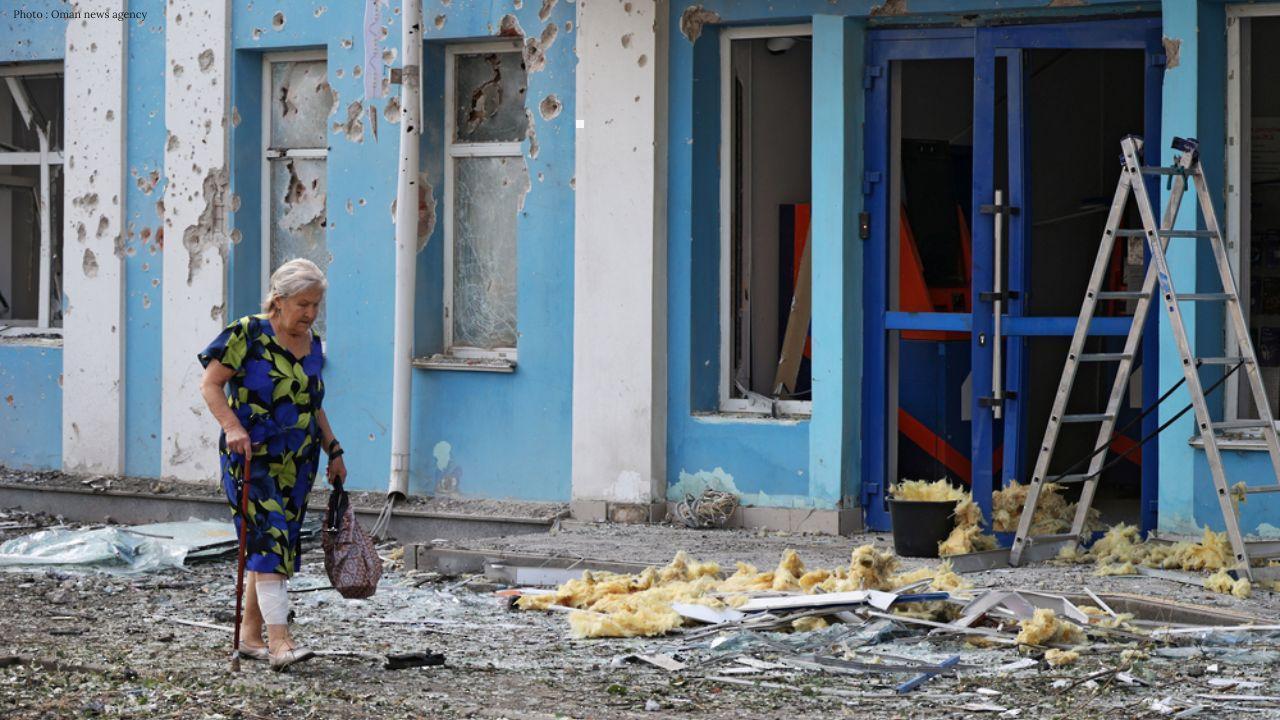
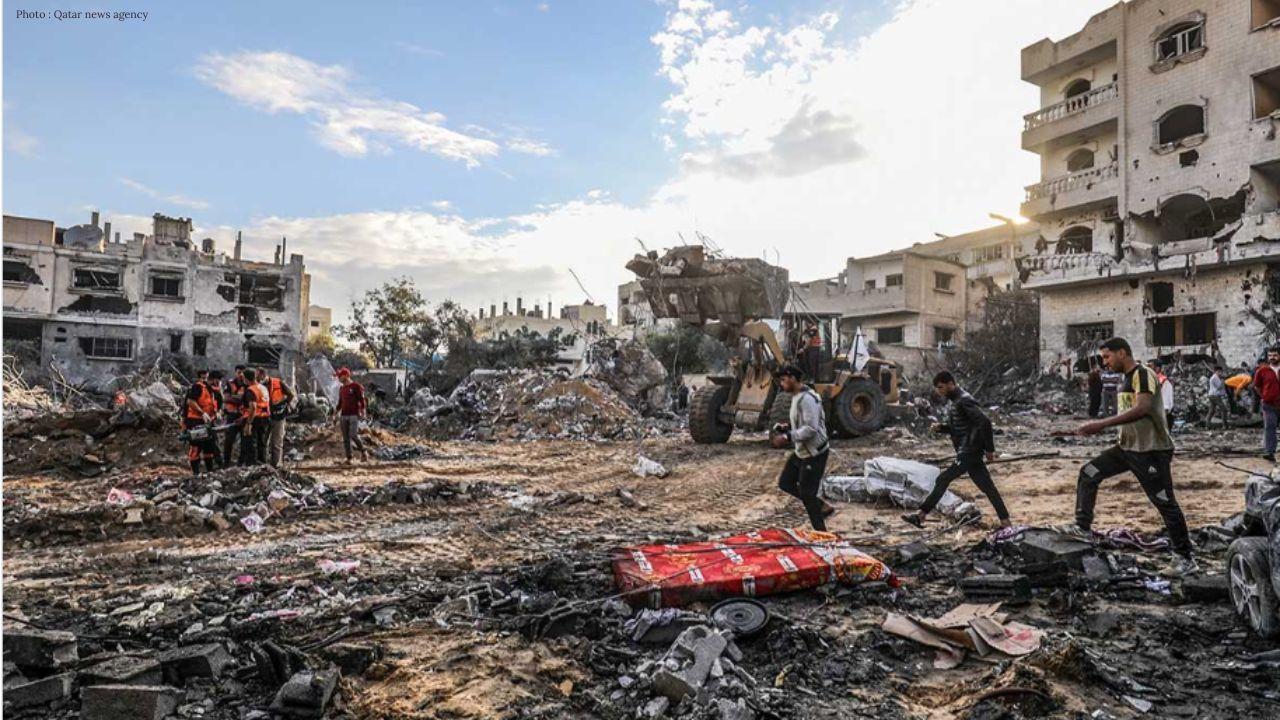
The ongoing war between Ukraine and Russia has already inflicted substantial destruction and loss of life. With civilian cities lying in ruins and millions displaced, the prospect of a nuclear-related disaster complicates an already dire situation.
Editorially, this development underscores a critical concern in modern warfare. Engaging in combat near sensitive installations like nuclear facilities amplifies risks for everyone involved. Even incidental military activities can lead to grave mistakes and mishaps, raising questions about wartime conduct and the imperative of safeguarding vital infrastructure.
There have been numerous calls from global organizations urging for the protection of nuclear sites from military conflicts. The principle is straightforward: certain locales should remain exempt from hostilities. Chornobyl is one of those sites, holding a historical precedent that the global community cannot afford to overlook.
Effective communication and self-restraint are paramount in this context. It's crucial for both factions in the conflict to acknowledge the inherent dangers and to prioritize the avoidance of military operations adjacent to nuclear plants. In times of war, there are boundaries that ought not to be crossed.
The news evokes memories of past fears, particularly regarding the 1986 disaster, which still resonate across Europe. The iconic images of deserted towns and radiation-induced health issues serve as potent reminders of the catastrophic outcomes that can arise from safety failures. The notion that a similar incident might occur again is profoundly unsettling.
The international community must heed this warning with utmost seriousness. Diplomatic endeavors should aim not just at halting the conflict but also at mitigating immediate hazards. Safeguarding nuclear facilities is not merely a local challenge but a global responsibility.
Concurrently, experts are vigilant, employing advanced technologies and safety systems developed since previous crises. While preparedness has improved, no system can claim to be infallible amid active warfare. Hence, preventive measures remain the optimal approach.
The Ukrainian warning serves as a critical reminder of how quickly circumstances can deteriorate. Warfare inflicts enough suffering on its own; the introduction of nuclear risk merely exacerbates potential harm.
As the conflict endures, there remains hope that leaders will act prudently and responsibly. The sanctity of human life must take precedence. The vicinity around Chornobyl needs to be preserved for the safety of Ukraine and the entire planet.


 English