Post by : Saif
Al-Najjar
The economic ramifications of the persistent upheaval in the Middle East are becoming increasingly evident in the United Kingdom. Recent statistics indicate that inflation has escalated to 3.3 percent, underscoring the swift effects global events can impose on everyday experiences. While the uptick may appear minor initially, it portends greater concerns regarding rising expenses and mounting uncertainty.
Official data reveals that inflation increased from 3.0 percent in February to 3.3 percent in March, primarily driven by soaring fuel costs. Prices for petrol and diesel surged dramatically throughout the month, representing one of the largest spikes witnessed in recent history.
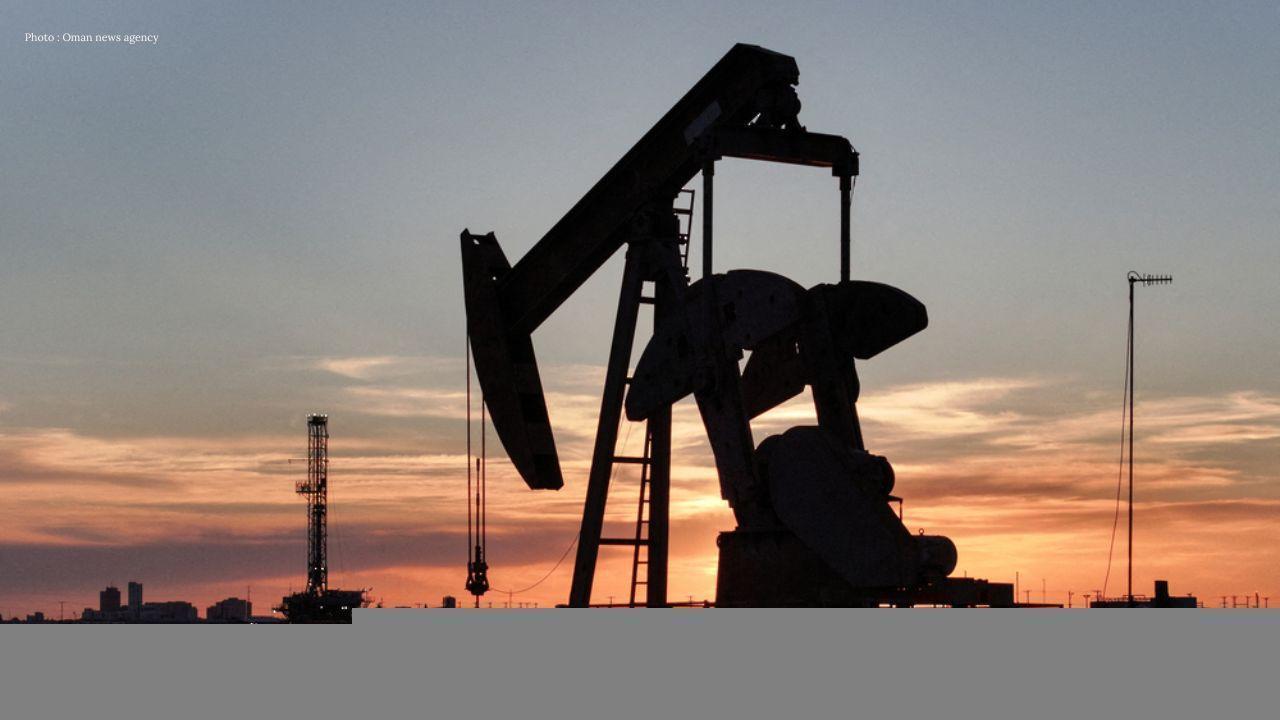
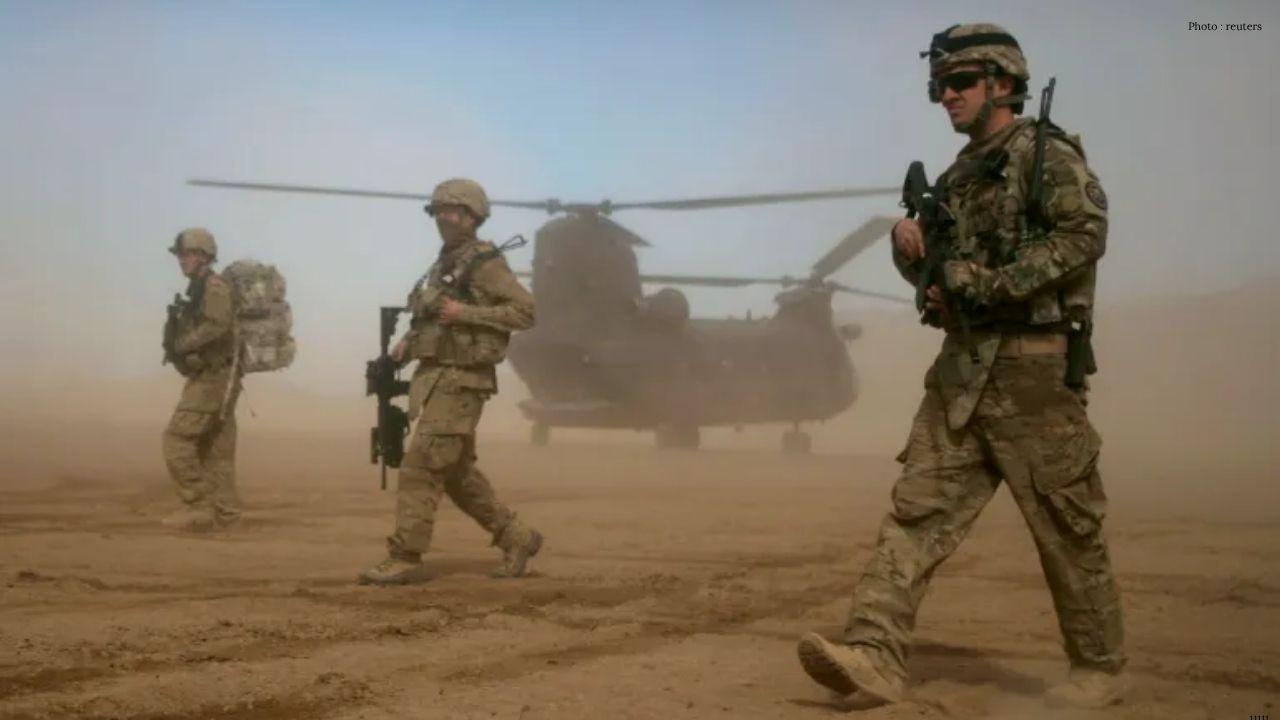
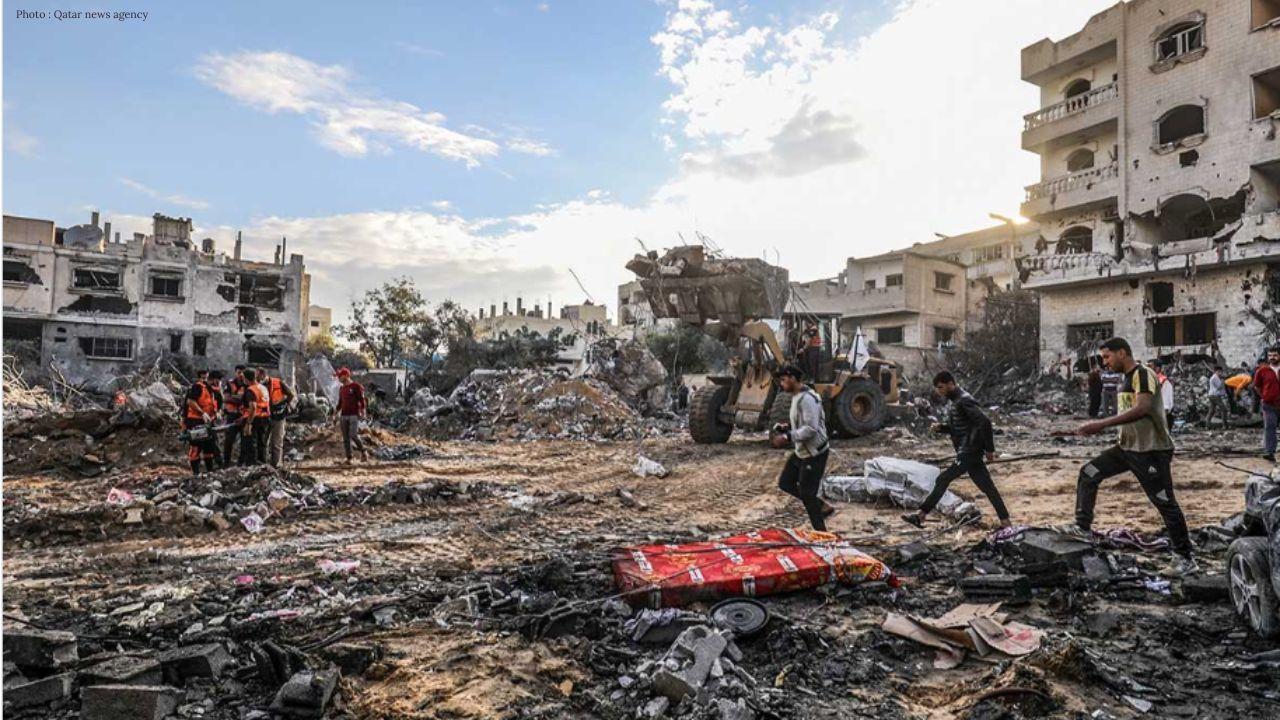
This spike in fuel pricing is intricately tied to the ongoing conflict in Iran. The war has disrupted energy supplies globally, particularly through significant channels like the Strait of Hormuz, a crucial passage for much of the world's oil. Disruptions in this area lead to rapid price ascents.
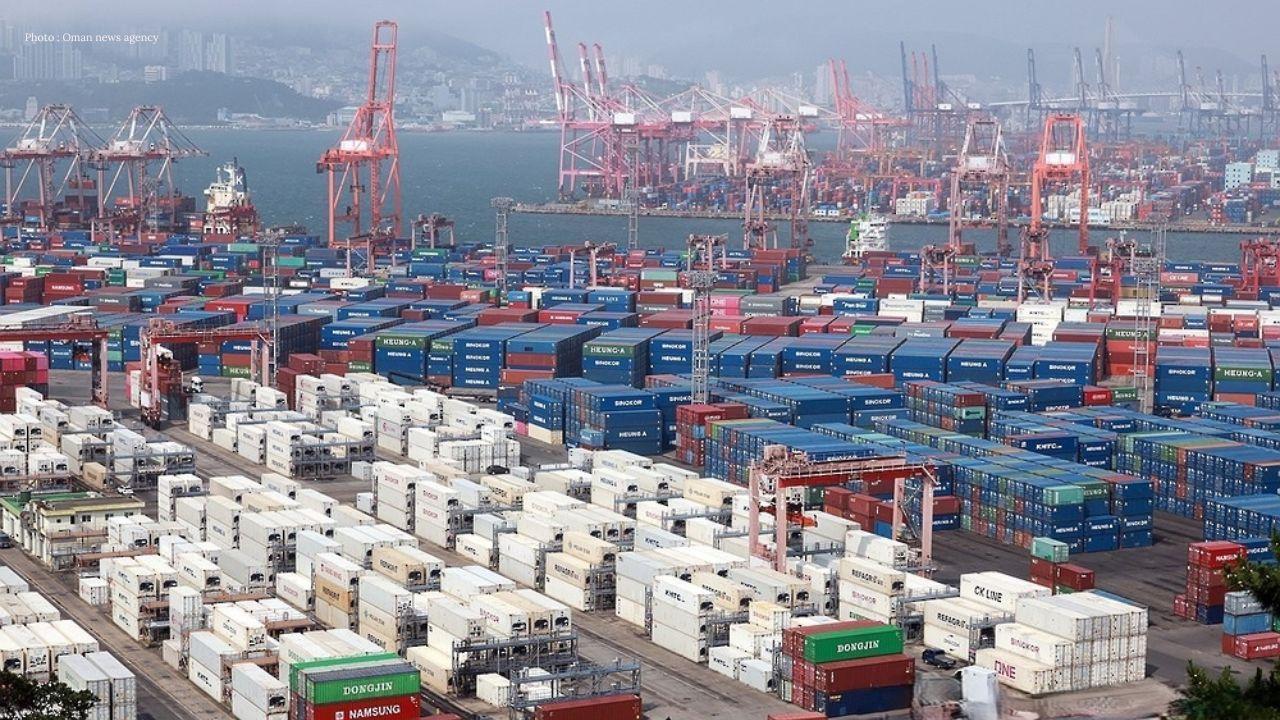
As fuel costs rise, their ripple effects permeate the entire economy. Transportation becomes pricier, consequently elevating the costs of goods and services. Companies may pass on these increased costs to consumers, driving up retail prices. This phenomenon illustrates why inflation is often regarded as a “chain reaction.”
For the average citizen, this situation equates to a more expensive daily life. From tanking up a vehicle to purchasing groceries, prices can gradually escalate. Although a marginal increase may not seem significant, successive rises can strain household budgets over time.
The Bank of England faces challenges in light of this inflationary surge. The central bank had anticipated that inflation would trend toward its target of 2 percent. Conversely, the latest findings indicate a contrary trajectory. Analysts now estimate that inflation might climb further in the months ahead, potentially reaching approximately 3.5 percent or higher.
This climate creates complex decisions for policymakers. On one side, there’s the imperative to rein in inflation and maintain price stability; on the other, aggressively raising interest rates carries the risk of stalling economic growth. Striking a balance proves challenging, especially amid a global crisis.
Another pressing concern is the looming specter of “stagflation,” characterized by high inflation with sluggish economic growth. Some economists warn that the current energy upheaval could push the UK toward this scenario if the conflict persists.
The repercussions of the Iran conflict extend beyond the UK's borders. Numerous nations worldwide are grappling with similar trials. Escalating oil prices unfavorably impact industries, transportation networks, and even agricultural production—highlighting the interconnectedness of the global economy.
From an editorial standpoint, this scenario conveys a vital message: developments in one region can swiftly resonate throughout global economies. Furthermore, it emphasizes the significance of energy security. Nations heavily reliant on imported resources find themselves more susceptible to global disruptions.
Long-term solutions must also be considered. Investments in renewable energy, enhancements in energy efficiency, and a reduction in reliance on unstable regions could help mitigate future vulnerabilities. While these adjustments require time, they are crucial for fostering a more resilient economy.
Concurrently, it is crucial for governments to assist those most hard-hit by rising costs. Lower-income households are particularly vulnerable to price increases. Implementing measures like subsidies, tax relief, or targeted financial support can alleviate some of the strains experienced.
The uptick in UK inflation transcends mere statistics; it signals profound shifts within the global economy. The ongoing Iran conflict illustrates how rapidly markets can react and the widespread implications involved.
As developments unfold, much hinges on the precarious situation. If tensions dissipate, stabilization in pricing may occur. Conversely, if the crisis persists, inflationary pressures are likely to mount.
This moment serves as a poignant reminder that economic stability is influenced not only by internal policies but also by global harmony. The correlation between conflict and rising living costs has never been clearer.


 English