Post by : Saif
Al-Najjar
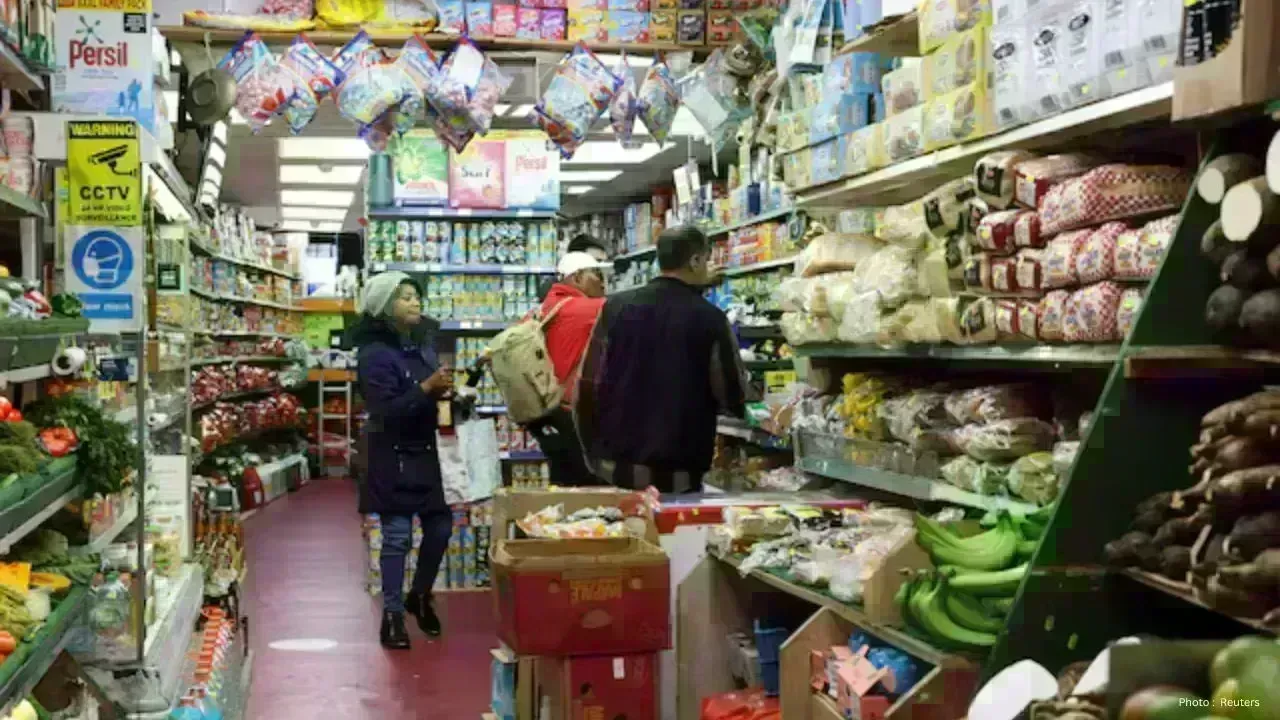
In the UK, grocery inflation appears to be stabilizing, offering a reprieve for households grappling with escalating living costs. Nonetheless, experts caution that ongoing global tensions and supply chain issues may still affect food prices in the upcoming months.
Recent data indicates a deceleration in supermarket price increases compared to previous trends that placed a heavy strain on consumers. The less rampant growth in grocery expenses has been a relief for families facing high energy, housing, and everyday costs.
Analysts attribute the slowdown in food price rises to improved supply chains and heightened competition amongst supermarkets. Factors like promotional discounts, consistent agricultural output, and modifications to supply methodologies have also played significant roles in this gradual shift.
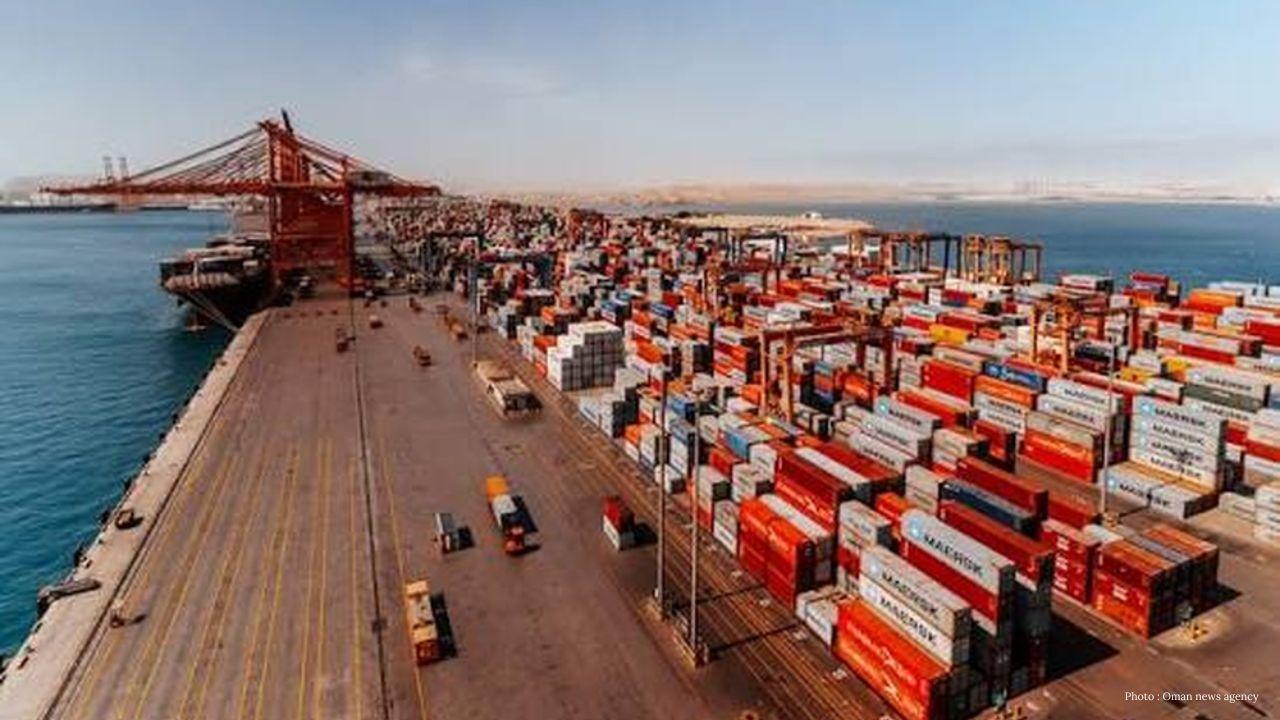
Even with these encouraging trends, experts warn of persisting uncertainty, as international events could rapidly impact global markets. Geopolitical conflicts and disruptions affecting shipping routes or energy supplies may still exert pressure on transportation and production costs.
Since the pandemic, the UK has wrestled with significant inflation challenges, with food and household costs becoming pressing concerns for millions. Rising prices have shifted consumer spending behaviors, leading many families to opt for cheaper alternatives as they trim unnecessary purchases.
Economic analysts emphasize that grocery inflation is critical for public sentiment, as food is an essential commodity. Even minor price hikes can profoundly impact household finances, particularly for low-income families.
During this cost-of-living crisis, UK supermarkets have been in fierce competition to draw in customers. Retail chains have implemented price reductions, loyalty programs, and promotional campaigns to cultivate consumer interest while navigating supplier pressures and transportation costs.
Experts caution that reduced inflation doesn't inherently mean a return to historical pricing levels. Many products still remain costly compared to previous years, yet the rate of price increases has begun to moderate.
Global energy markets also profoundly affect food pricing, as fluctuating fuel costs impact transportation, manufacturing, and agricultural activities. Any disturbance in oil or shipping industries could quickly escalate operational expenses for businesses.
Economic uncertainty tied to worldwide conflicts remains significant, with financial markets keeping a close eye on geopolitical developments, as instability can disrupt trade routes, commodity prices, and overall economic health.
British consumers are continuing to revise their spending habits, as inflation remains elevated compared to desired levels. Shoppers are increasingly seeking out store-brand products, comparing prices, and curtailing non-essential expenditures to balance their budgets.
Food producers and retailers are also confronted with challenges such as rising labor costs, fluctuating climate conditions, and evolving supply demands, particularly as agricultural sectors in Europe grapple with weather-related issues and increased operating costs.
As grocery inflation softens, economists suggest it could bolster the broader economy by enhancing consumer confidence and alleviating household financial pressures. However, they maintain that enduring stability hinges on international market trends and domestic policies.
The Bank of England and government officials are closely monitoring inflation, as maintaining price stability is a key economic goal. Policymakers are expected to proceed cautiously as they assess interest rates and overall economic circumstances.
Retail professionals believe supermarkets will persist in their focus on affordability, given the strong competitive landscape. Consumers are likely to remain discerning price-wise until their living expenditures demonstrate consistent improvement across various economic sectors.
Latest reports underscore the tight linkage between local food prices and global economic shifts. Events occurring far from the UK can still significantly influence supply chains, transportation frameworks, and retail pricing within the nation.
As households in the UK prepare for the months ahead, they will be diligently monitoring grocery prices. Any resurgence in energy costs or international trade complications could once again strain supermarket prices and consumer finances.
Consequently, the recent moderation in grocery inflation offers cautious optimism rather than total economic relief. While conditions have improved compared to earlier instances of sharp price escalation, the uncertainty of international markets ensures that consumers and businesses stay vigilant regarding future cost shifts.


 English