Post by : Shakul
A significant discussion is unfolding in the United States as lawmakers gear up to vote on the extension of a controversial foreign surveillance initiative under the Foreign Intelligence Surveillance Act. Known as Section 702, this provision enables intelligence agencies to gather and scrutinize communications from foreign targets, yet it has sparked concerns regarding the inadvertent collection of data from American citizens.
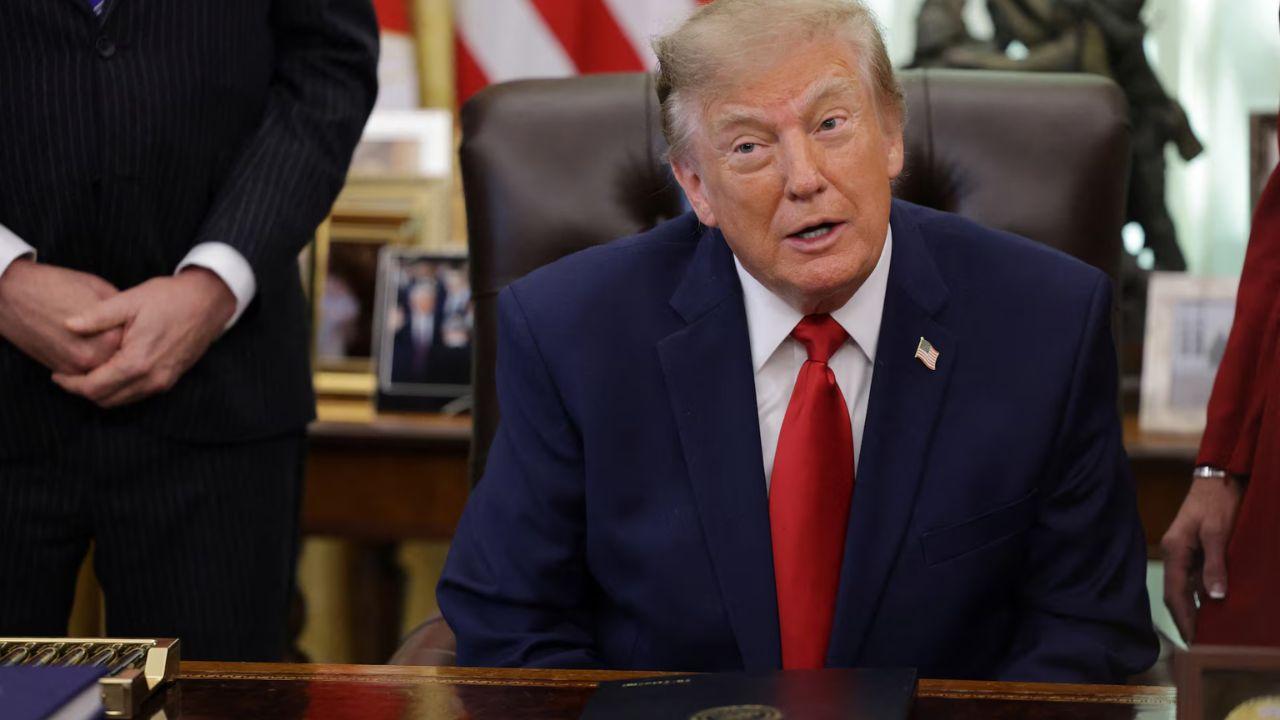
Former President Donald Trump has expressed firm backing for the extension of this program, deeming it crucial for national security. Addressing the issue from Washington, D.C., Trump stressed that the surveillance apparatus has been vital in defending the nation and in extracting intelligence concerning global hazards.
The legislation grants agencies like the CIA, FBI, and National Security Agency the authority to track overseas communications without warrants. Nevertheless, critics maintain that this also includes the potential capture of communications involving American individuals interacting with foreign parties, raising profound alarms about privacy and civil rights.
Those opposing the initiative are calling for reforms that would necessitate warrants for accessing communications of U.S. citizens. Additional concerns have surfaced regarding the government's use of data brokers, who aggregate and sell personal data, potentially enabling authorities to sidestep constitutional protections.
In light of bipartisan criticism, the prospect for significant reforms looks bleak following Trump’s backing of the program’s renewal. He has urged lawmakers to prolong Section 702 for an additional 18 months, arguing that it furnishes essential intelligence and bolsters military efforts.
Interestingly, some officials previously opposed to the Act have altered their position. Tulsi Gabbard, now occupying the role of Director of National Intelligence, has voiced support for the program, referencing enhanced safeguards and oversight provisions.
The unfolding discussion illustrates the persistent conflict between national security interests and civil liberties in the U.S. While intelligence agencies underscore the necessity of such surveillance measures for threat prevention, lawmakers and activists remain steadfast in advocating for stronger protections of citizens’ rights.


 English