Post by : Saif
Al-Najjar
Recent military exchanges between Israel and Iran have heightened worries about stability in the Middle East and the continuity of diplomatic efforts. Despite this escalation, President Donald Trump expressed optimism, asserting that these hostilities will not hinder ongoing attempts to broker peace.
This assertion comes at a critical moment when experts worry that fresh military actions might disrupt extensive diplomatic negotiations. The history of the Middle East is rife with cycles of conflict, where each military incident raises alarms about possible wider confrontations. Nevertheless, as military operations persist, diplomatic conversations continue to unfold, creating a complex landscape of simultaneous warfare and negotiation.
The latest engagements underscore the profound distrust between Israel and Iran. Both nations perceive each other as threats to their security and have a longstanding rivalry that transcends mere military clashes. Their conflict not only shapes security strategies but also influences broader political dynamics throughout the region.
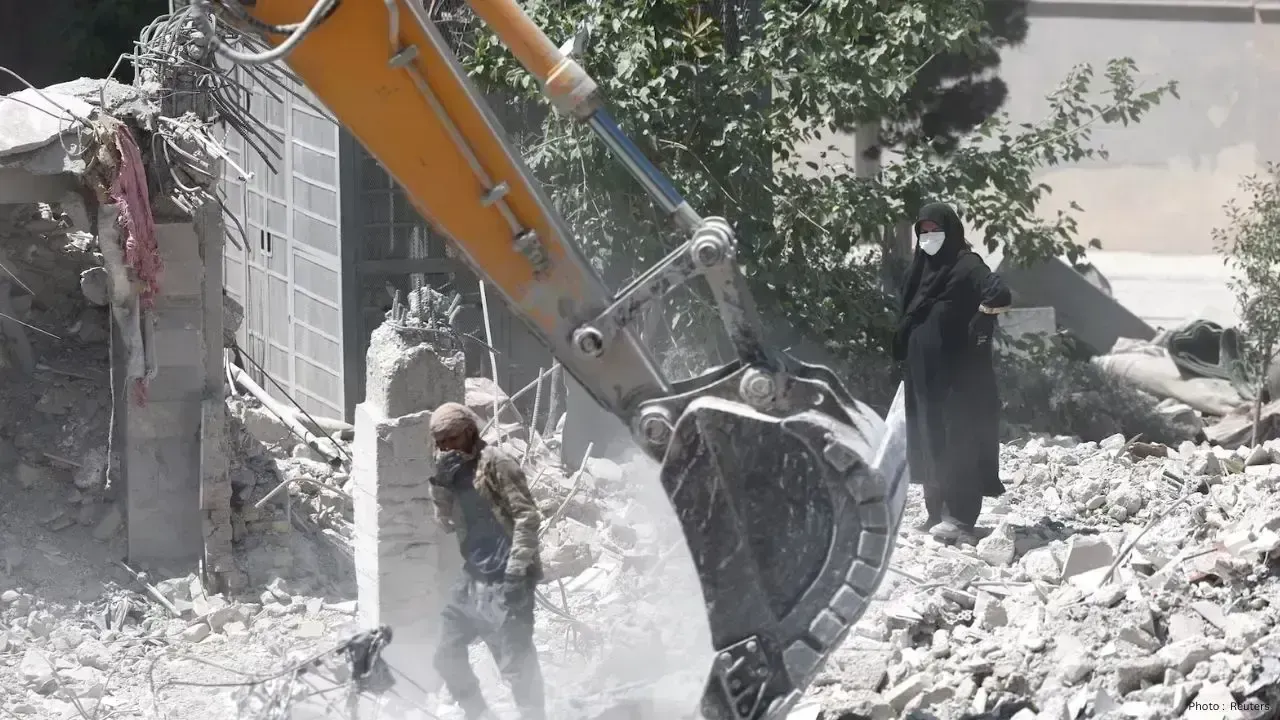
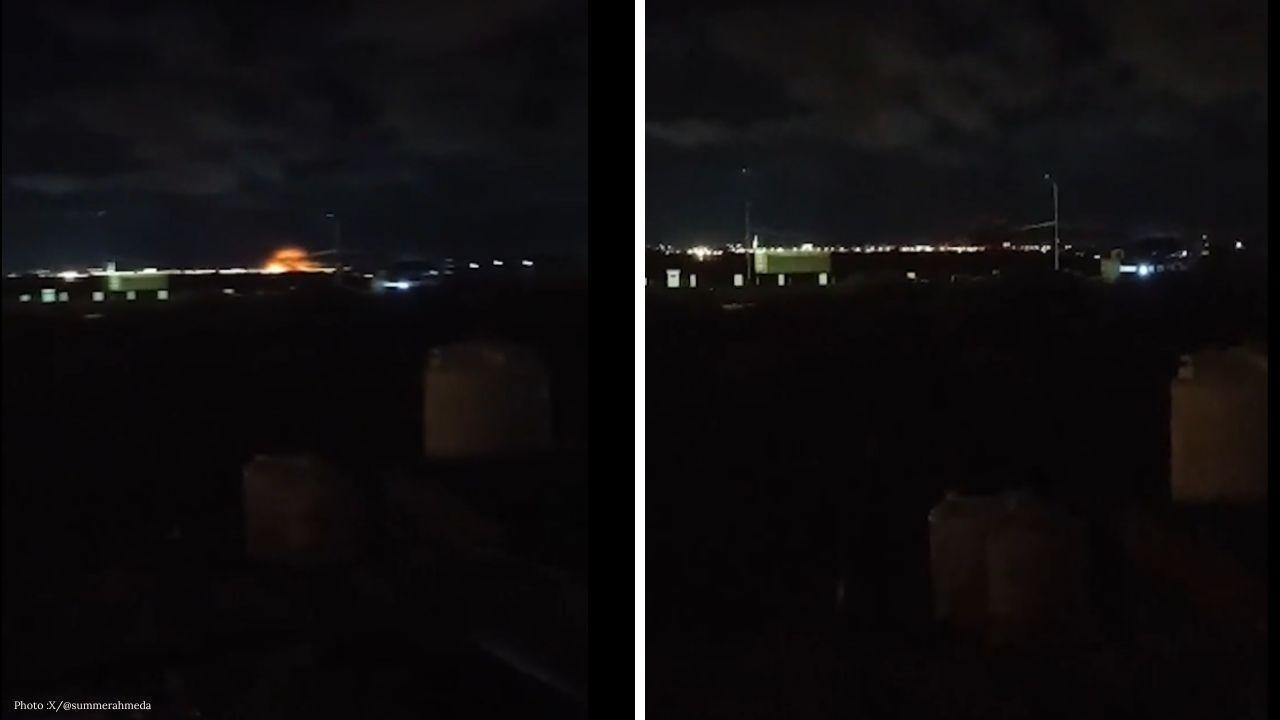
Reports indicate that Israeli forces targeted military installations connected to Iranian operations, prompting retaliation from Tehran through missile attacks. This back-and-forth raises concerns about an escalation that could pull additional nations or factions into the fray.
Despite the rising tensions, President Trump reiterated his faith in the possibility of ongoing peace negotiations. He believes that military provocations do not necessarily signify the end of diplomatic efforts. According to him, discussions aimed at reducing tensions should persist even amidst unrest. His comments serve to reassure international allies and financial markets that diplomatic progress is achievable.
However, the challenges for negotiators are considerable. Establishing diplomatic relations demands patience, effective communication, and a degree of compromise. Military actions complicate these goals, as they heighten public scrutiny on leaders and breed additional resentment between the conflicting sides. Each military strike can reinforce hardline stances and erode trust between negotiators.
Yet, proponents of diplomacy argue that negotiations are crucial during heightened tensions. History illustrates that substantial agreements sometimes arise from prolonged confrontations. Supporters of dialogue contend that abandoning negotiations during crises could heighten the risk of an escalation into a more extensive and dangerous conflict.
The situation is further exacerbated by its implications for global energy markets. The Middle East remains a pivotal area for oil production and transport, and any uptick in military operations generates fears of disruptions in supply and shipping security. Observers worldwide are attentive to developments in the region, as instability could influence fuel prices and economic conditions well beyond the directly involved countries.
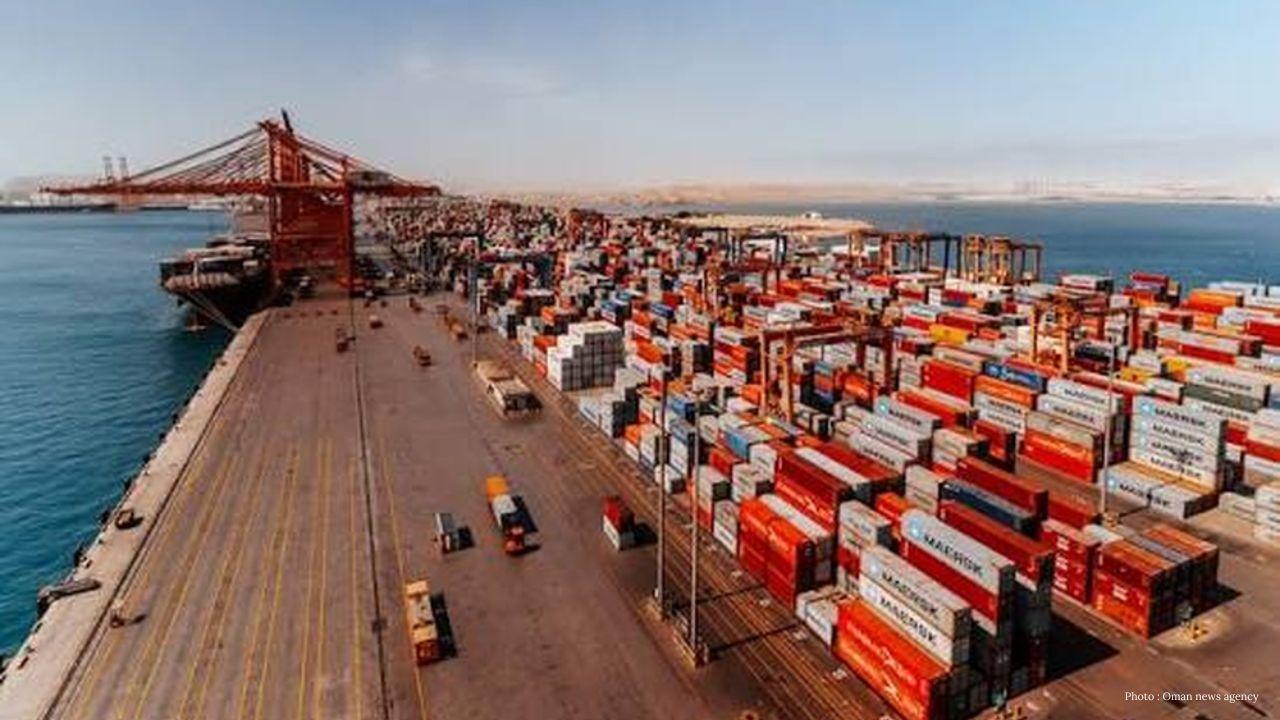
Particular attention is directed toward the Strait of Hormuz, a crucial passage for a significant portion of global oil exports. Any threats to maritime routes here could have immediate ramifications for international commerce and energy supplies. While significant disruptions have yet to occur, concerns persist whenever tensions escalate.
The political ramifications of this conflict are also substantial. Leaders across multiple nations attempt to balance the support of allies with the need to avert a larger regional crisis. Engaging diplomatically, conducting behind-the-scenes negotiations, and facilitating international mediation have become key strategies for managing the situation.
For Israel, national security remains a foremost priority. Government officials emphasize their readiness to act against threats perceived as jeopardizing the nation's safety. From this perspective, military actions are framed as necessary responses to encountered risks.
Iranian authorities, on the other hand, assert their right to defend their interests and retaliate against attacks. In Tehran, officials argue that external pressures and military strikes will not compel the nation to relinquish its strategic goals. This dichotomy complicates negotiations and perpetuates the cycle of conflict.
Instability in the broader region has significantly increased in recent years. Ongoing conflicts in neighboring territories, altercations involving armed groups, and rivalries among regional powers have fostered an environment where tensions can escalate rapidly. Consequently, even limited military exchanges are met with international concern.
Economic ramifications also play a crucial role. Continued instability can deter investment, disrupt trade, and foster uncertainty for businesses. Rising energy prices impact consumers globally, increasing costs for transportation, manufacturing, and daily activities. For this reason, developments in the Middle East garner attention extending well beyond its own borders.
This current state of affairs illustrates the fragile relationship between military actions and diplomatic efforts. While negotiations provide a pathway to de-escalation, ongoing military operations present obstacles to progress. Both parties grapple with internal and strategic pressures that shape their decisions, complicating the peace process further.
Global leaders are urging restraint and productive dialogue. Many believe that a negotiated resolution remains the most viable approach to avert broader conflict. Though diplomacy may require time, it is typically regarded as a more sustainable option than military confrontation.
Israel and Iran remain entrenched in a rivalry that has long influenced regional dynamics. The latest military strikes have once again underscored the inherent risks of this conflict. Yet, President Trump insists that peace negotiations can persist despite current tensions. The actual outcome will hinge on the commitment of all parties to engage in dialogue, even amid significant disagreements. The ensuing weeks will be critical in determining whether diplomacy can navigate the challenges posed by heightened military actions and facilitate a move towards greater regional stability.


 English