Post by : Shweta
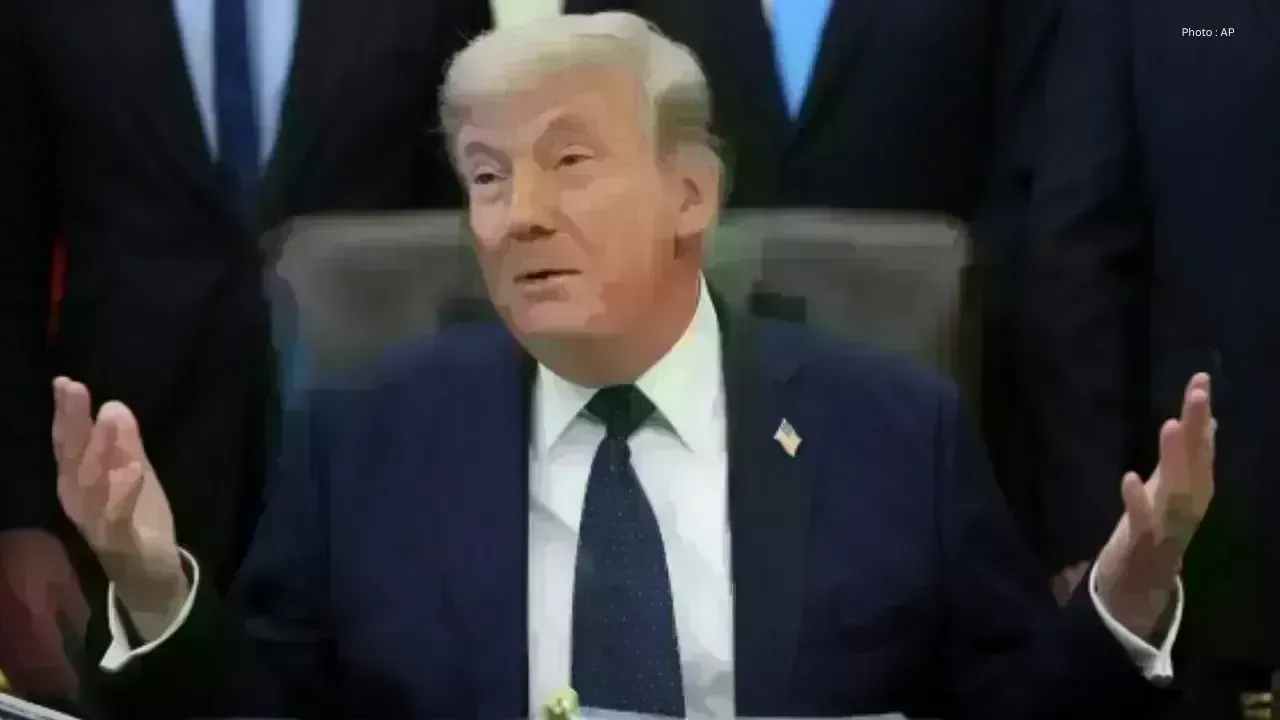
President Trump has unveiled a significant partnership with Regeneron aimed at lowering prescription drug costs across the United States. This initiative is part of a comprehensive government strategy to implement “most-favored-nation” (MFN) pricing, which ensures that American citizens pay prices comparable to the lowest rates available in other advanced nations. This agreement marks the 17th collaboration with leading pharmaceutical firms, addressing a substantial portion of the branded drug market.
With this new agreement, every State Medicaid program will have access to reduced drug prices for Regeneron's latest products. This is anticipated to save hundreds of millions of dollars, making medications more affordable for patients reliant on government healthcare. Additionally, the policy aims to prevent international consumers from receiving lower pricing while Americans bear higher costs, a point often highlighted by critics.
One notable highlight includes a decrease in the price of Regeneron’s cholesterol medication, Praluent. Patients will see costs drop from $537 to $225 when acquiring it via a government-backed service. Furthermore, all forthcoming medications produced by the firm will adopt the MFN pricing framework, ensuring sustained cost control for innovative treatments entering the market.
In another significant development, Regeneron introduced a new gene therapy called Otarmeni aimed at addressing a rare genetic type of deafness. This treatment will be provided at no charge to qualifying patients within the United States. The Food and Drug Administration fast-tracked this therapy, accelerating patient access to vital and innovative solutions.
Moreover, Regeneron has committed a hefty investment of $27 billion into the US market by 2029, focusing on research, development, and manufacturing initiatives. This commitment is projected to bolster domestic pharmaceutical production and lessen dependence on international supply chains.
In summary, this agreement underscores the ongoing efforts of the administration to drive down healthcare expenditures, improve medicine accessibility, and incentivize pharmaceutical companies to invest more deeply within the United States. Authorities believe these agreements could fundamentally alter global drug pricing and yield long-lasting positive outcomes for American patients.


 English