Post by : Shakul
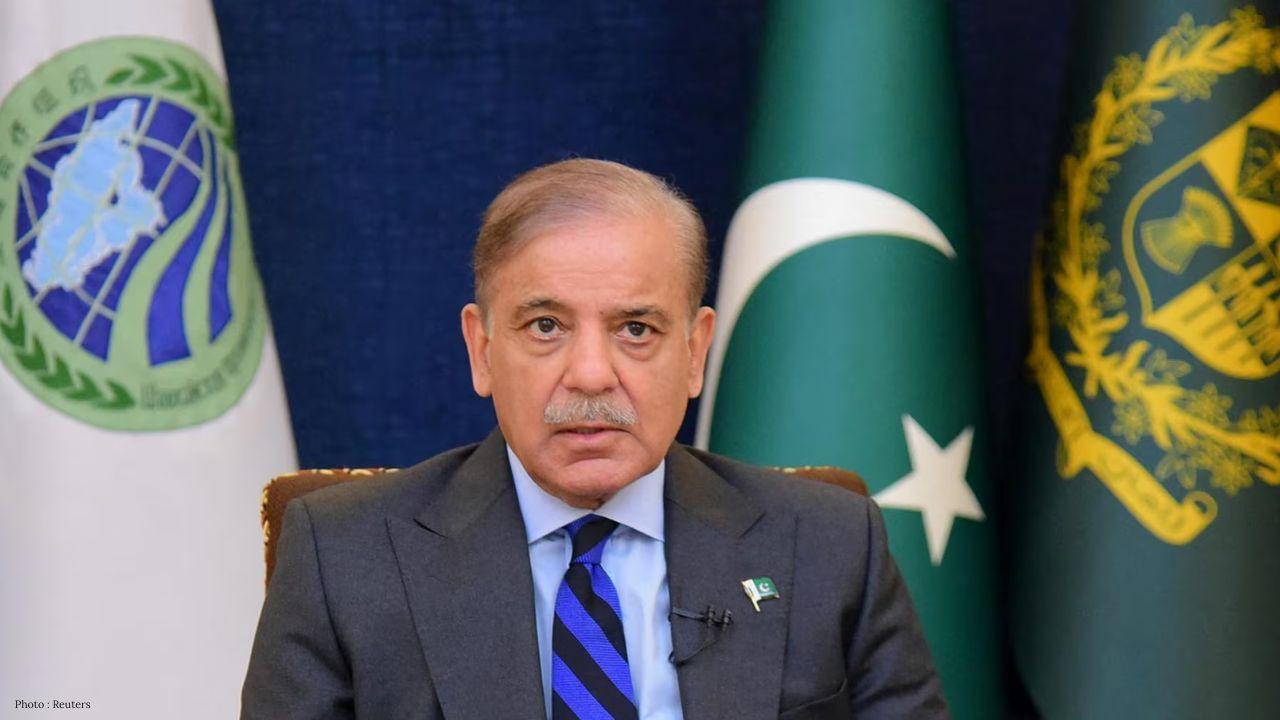
President Donald Trump concluded his visit to Beijing, expressing optimism about the future of US-China relations, even as significant disagreements regarding key global issues linger. The trip included a series of discussions with Chinese President Xi Jinping and other officials, focusing on trade, Taiwan, Iran relations, security matters, and economic collaboration.
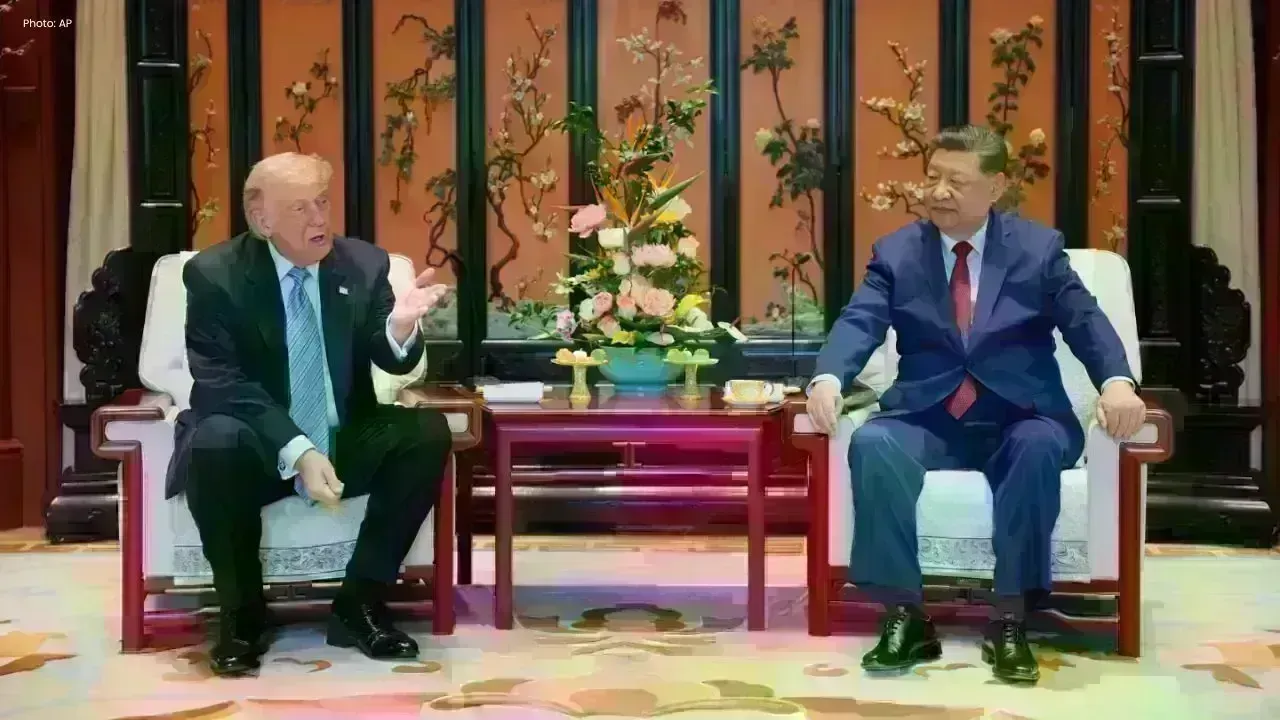
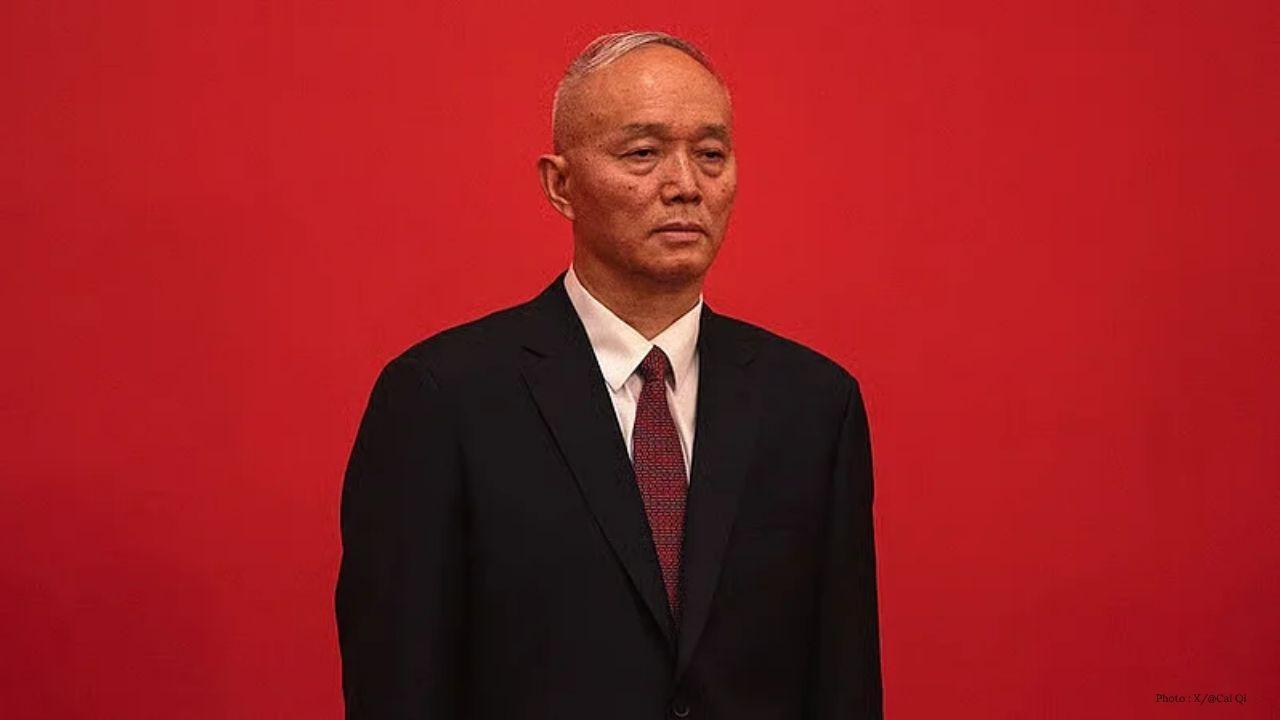
On the last day of his trip, President Xi received Trump at the Zhongnanhai leadership compound for final discussions. Xi personally led Trump through the compound's historic gardens before both leaders engaged in talks over tea and a working lunch with their senior advisors. This meeting is viewed as a symbolic effort to bolster personal diplomatic connections between the two leaders.
Addressing the press, Trump characterized the visit as fruitful, claiming that the relationship between the two largest economies in the world was showing signs of improvement. He indicated that the interactions over the past days had been constructive, underscoring shared economic and strategic interests, despite existing differences.
However, several contentious issues continued to loom over the discussions. Taiwan remains a contentious topic between Washington and Beijing. Reports indicate that Xi warned against mishandling the Taiwan situation, highlighting the potential for escalating tensions and conflict between the two powers. The United States reiterated its unchanged policy toward Taiwan and its commitment to the island's security.
The ongoing conflict in Iran and the closure of the Strait of Hormuz were also central points during the summit. Both leaders reportedly recognized the importance of reopening this critical maritime route to ensure global economic stability and energy supplies. Previously, about 20% of the world’s oil passed through the strait, but regional tensions have disrupted shipping and caused a spike in energy prices.
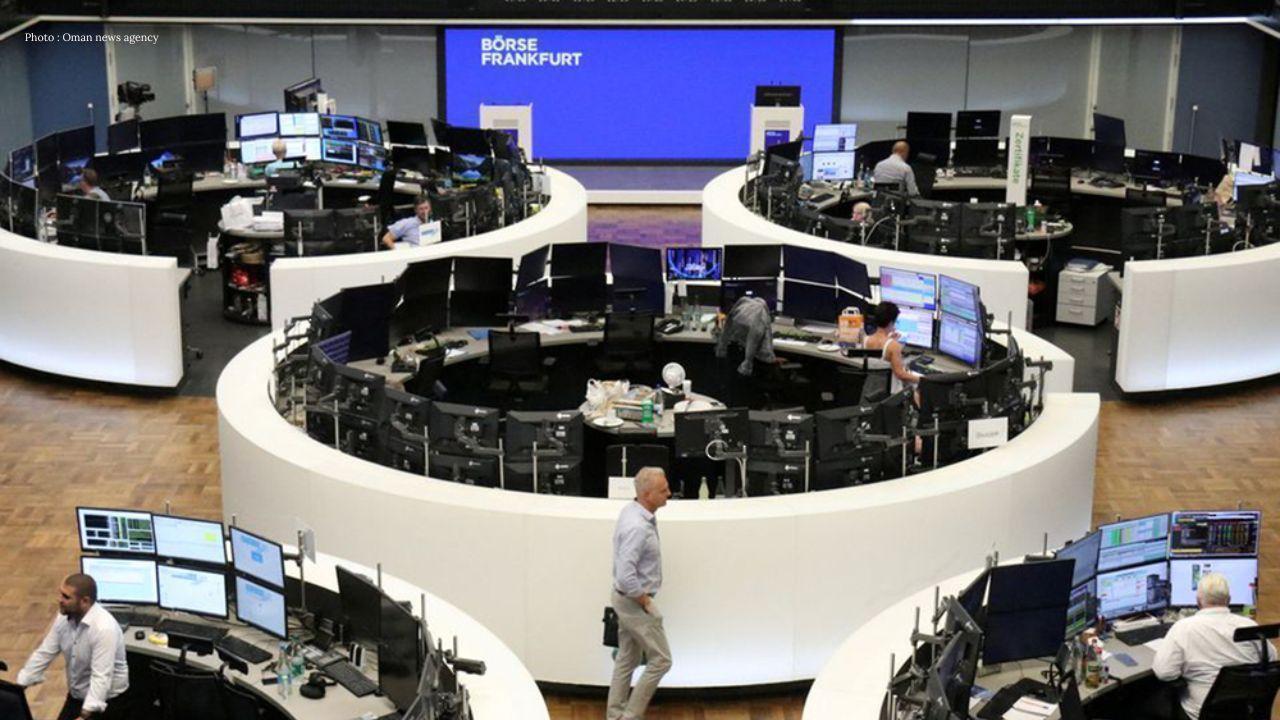
Trump hinted at a larger role for China in mediating tensions surrounding Iran, with reports suggesting Xi showed interest in stabilizing West Asia. This issue remains vital for global markets due to the disruptions in oil supplies, which have raised inflation concerns and fears of economic slowdowns in several nations.
Trade discussions were also significant during the meetings. The White House indicated that both parties talked about enhancing Chinese purchases of American agricultural products, including soybeans and beef. Trump further mentioned prospective agreements regarding Boeing aircraft and improved market access for American financial entities in China.
The summit garnered global attention as US-China relations play a crucial role in shaping international politics, trade, and security. Analysts argue that the discussions helped re-establish communication between the two superpowers amid heightened global tensions. While notable disagreements persist, both governments displayed a willingness to engage in dialogue to prevent further escalation.
Political analysts noted that the overall atmosphere of the visit was more optimistic than anticipated. Although issues related to Taiwan, trade conflicts, technology restrictions, and regional security remain unresolved, the summit was deemed a significant step towards stabilizing this essential diplomatic relationship.


 English