Post by : Shweta
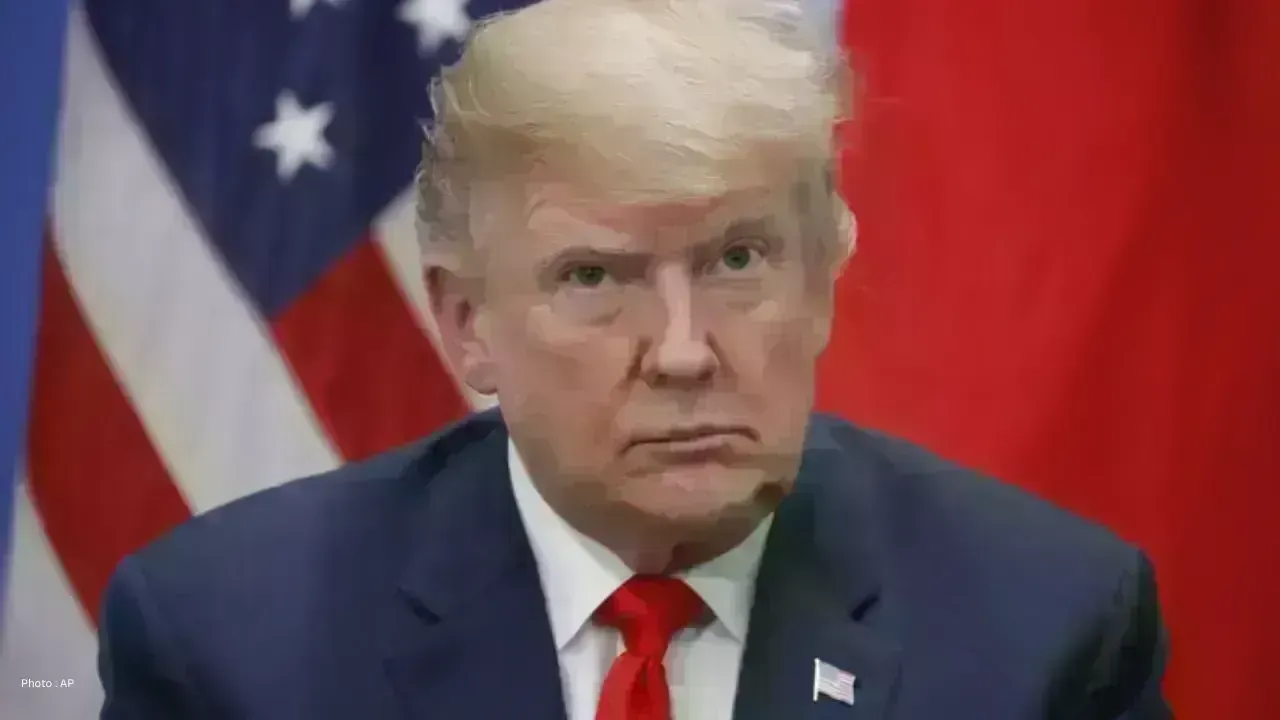
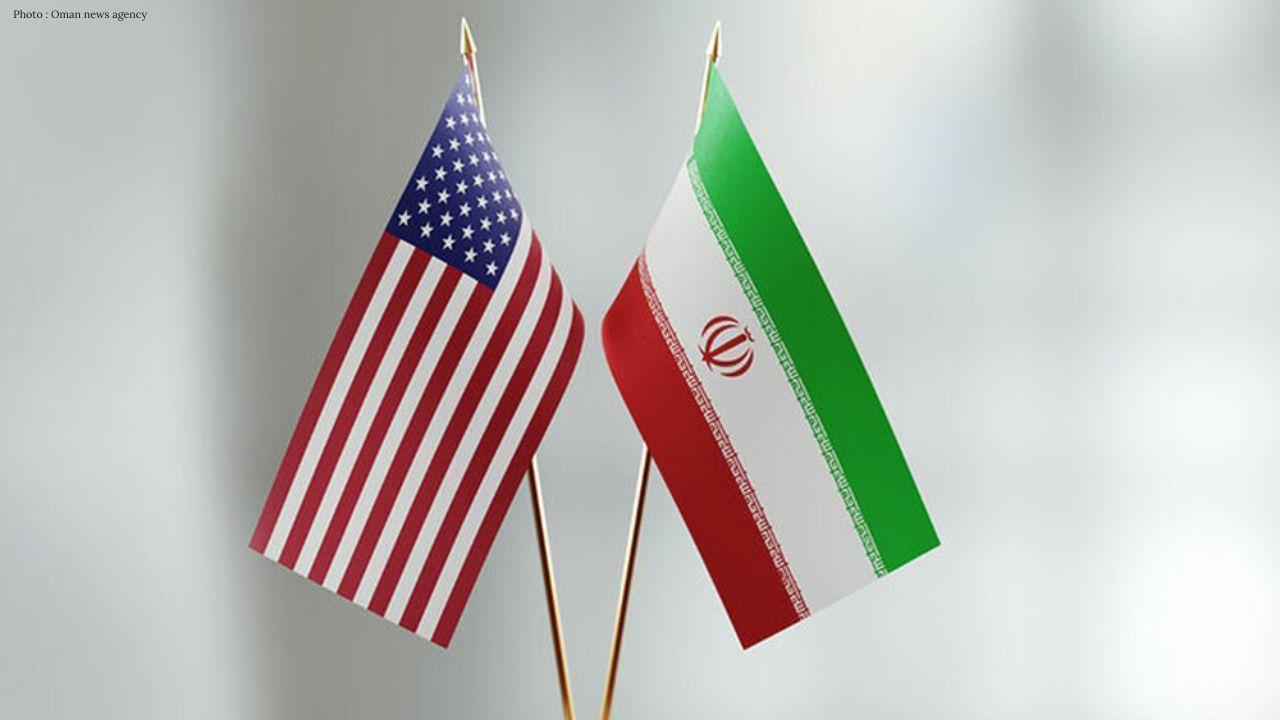
In response to the significant escalation in fuel prices linked to the Iran blockade crisis, U.S. President Donald Trump convened discussions with prominent American oil and energy executives. The agenda centered around the repercussions of the U.S. naval blockade on Iranian ports and its consequential impact on global energy markets, particularly amidst rising tensions in the Strait of Hormuz.
Reportedly, key figures from major oil and commodity firms, including representatives from prominent U.S. energy corporations such as Chevron, engaged in dialogue with Trump. The focus was on strategic management of oil supplies and stabilizing fuel markets if the blockade against Iran remains in force for an extended period. White House sources indicated that these discussions encompassed oil production, shipping logistics, natural gas supply chains, and the potential for sustained economic pressure on Iran.
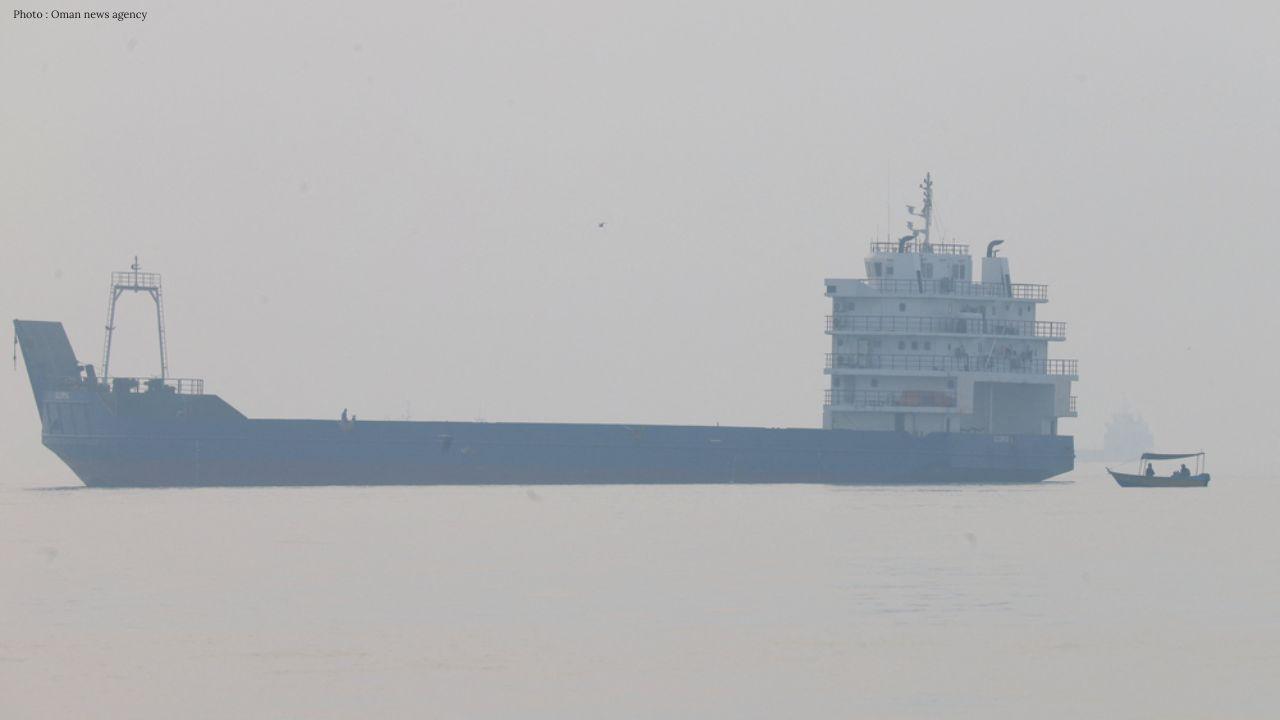
The crisis escalated as the U.S. intensified its naval presence around Iranian ports and critical shipping lanes. This blockade has notably disrupted vital oil export pathways linked to the Persian Gulf, especially through the Strait of Hormuz, a key conduit through which approximately 20 percent of global oil and gas shipments transit, rendering the scenario acutely precarious for world markets.
As uncertainty mounts, oil prices have surged to heights not seen in over four years, with Brent crude soaring past $126 per barrel and gasoline prices in the U.S. experiencing significant increases. Analysts caution that a prolonged blockade could exacerbate inflation globally, imposing substantial stress on transportation, manufacturing, and household fuel expenses.
Trump defended the strategy of the blockade, asserting that economic pressure on Iran is yielding more favorable outcomes compared to direct military engagement. He warned that if Iran remains unyielding to broader diplomatic negotiations concerning its nuclear initiatives and regional security, the blockade could persist for several months. In contrast, Iran insists that any discussions concerning wider negotiations should first address the removal of restrictions on shipping operations and port access.
Energy analysts suggest that the present circumstances are inducing substantial instability within global oil markets. Shipping companies and traders are confronted with delays, increased insurance expenses, and limitations on tanker movements throughout the Gulf. Recent information suggests that significant quantities of Iranian crude oil are now in floating storage due to a dramatic decline in exports under the U.S. blockade.
The ongoing geopolitical strains are adversely impacting Iran’s economy, with reports citing escalating inflation, depreciation of currency, and diminishing oil export revenues as sanctions and military pressures persist. Economic experts forecast that the longer the blockade endures, the more pronounced the financial duress will be on both Iran and global energy markets.
While the White House has yet to finalize decisions on either the expansion or termination of the blockade, Trump's recent consultations with leaders from the oil industry highlight that the administration is bracing for a protracted conflict, which may continue to influence fuel prices and the stability of the global economy in the months ahead.


 English