Post by : Shakul
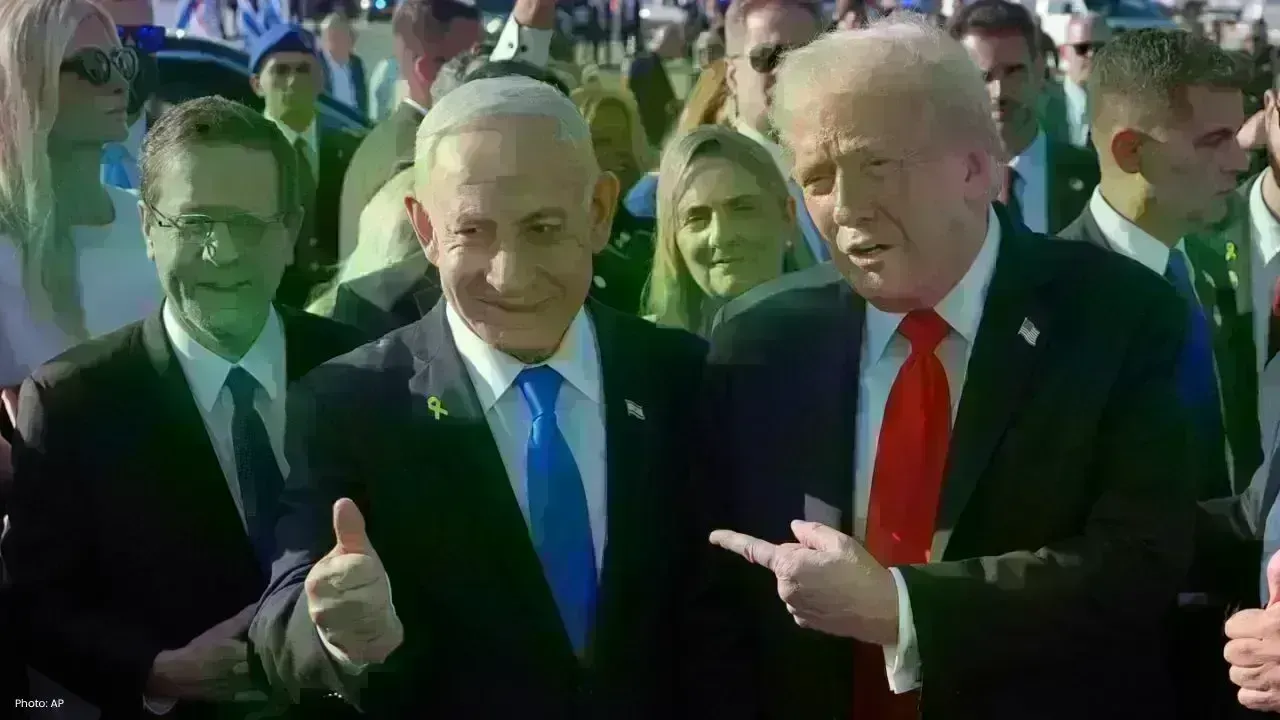
Emerging signs reveal a widening rift between U.S. President Donald Trump and Israeli Prime Minister Benjamin Netanyahu as the complex conflict involving Israel, Iran, and Hezbollah evolves. Initially aligned in their military and diplomatic strategies, recent developments indicate diverging priorities for the two leaders concerning the future of the conflict.
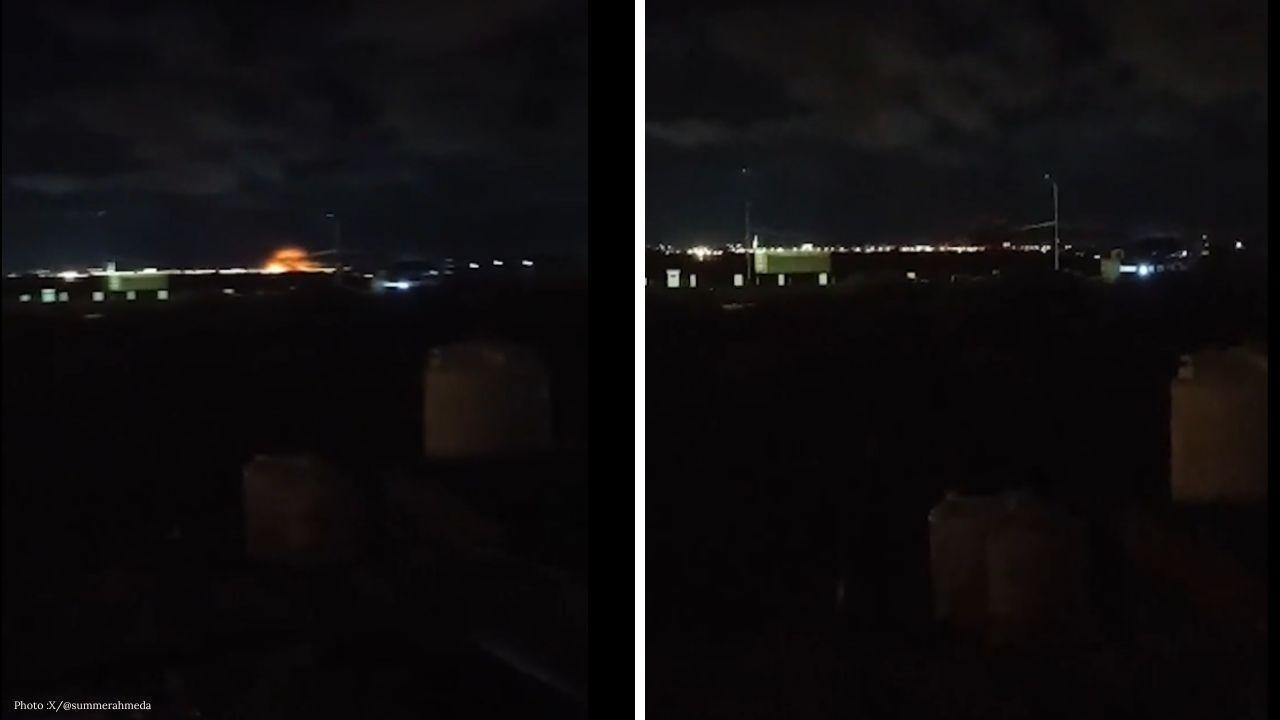
Tensions escalated following Israel's strikes in Lebanon, despite President Trump's public cautions against escalating military efforts in Beirut. This led to a sharp retaliatory response from Iran, which fired ballistic missiles toward Israel, exacerbating regional anxieties and fears of a larger confrontation.
Political analysts note that Trump is increasingly interested in stabilizing the region and mitigating disruptions to global energy supplies. With U.S. elections on the horizon, the administration faces pressure to manage the conflict, alleviate economic worries tied to rising fuel costs, and maintain diplomatic initiatives aimed at easing tensions with Iran.
In contrast, Netanyahu is confronting domestic political pressures to show effectiveness against Iran-affiliated groups and to bolster Israel’s security posture. Israeli officials argue that ongoing military actions are essential to neutralize threats from Hezbollah and other regional forces that jeopardize Israel's safety.
The divergence between the two leaders is particularly apparent regarding strategies over Lebanon and Iran. While Washington is reportedly exploring broader ceasefire agreements conducive to diplomatic negotiations, Israel insists on continuing military pressures until security goals are fulfilled. These differing viewpoints have sparked speculation about strategic rifts within one of the world’s most robust alliances.
Despite reported disagreements, officials on both sides have sought to downplay the situation. Netanyahu has reiterated the significance of the U.S.-Israel alliance, while American officials affirm strong bilateral coordination. Nevertheless, public remarks from both leaders reveal tensions that are typically managed discreetly.
Experts assert that differences between American and Israeli leadership during conflicts are common, but the current situation is notable for its public display. Although the alliance appears solid, discrepancies over Iran, Lebanon, Gaza, and prospective regional security frameworks may continue to influence future dialogues.
As diplomatic talks progress alongside military actions, the evolving dynamics between Trump and Netanyahu are likely to critically impact the current crisis’s trajectory and the potential for regional stability.


 English