Post by : Shweta
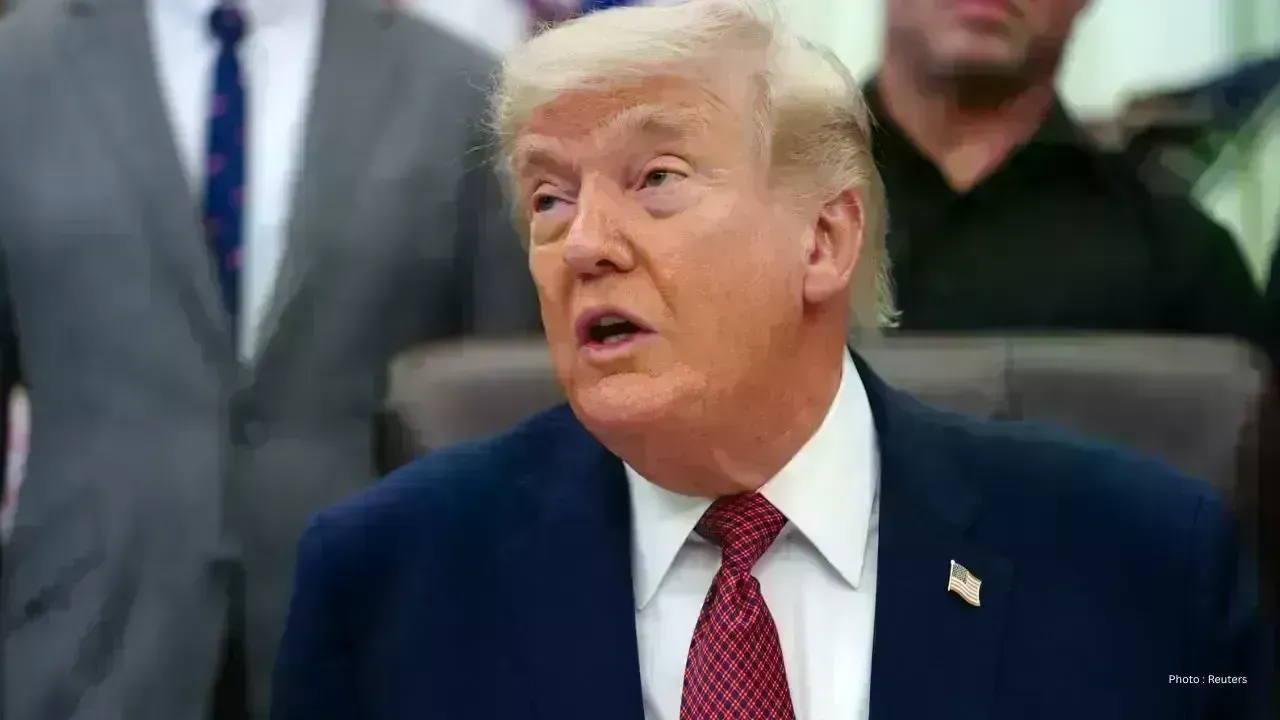
Former US President Donald Trump has sparked renewed discussions surrounding race, migration, and inequality in America with his recent resharing of incendiary comments originally made by Michael Savage. The remarks, which describe countries like India and China in derogatory terms while targeting migrants from these nations, have drawn significant backlash.
Critics argue that such rhetoric reflects a troubling trend in political discourse about immigration. Analysts suggest that strong language directed at migrant populations often enters broader political discussions, particularly during challenging economic or social times.
Supporters assert that the ongoing dialogue concerning migration in the US is intrinsically linked to economic disparities. Debates about wage disparities, employment competition, and accessibility to opportunities frequently emerge within the context of race and identity. Detractors contend that this focus can detract from deeper economic structures that warrant attention.
Moreover, Asian communities, particularly those of Indian and Chinese descent, have significantly contributed to vital sectors including technology, healthcare, and education, earning recognition for their role in shaping America’s landscape, especially in innovation-rich arenas.
Experts emphasize that political language surrounding migration can sway public sentiment and affect societal relationships. The amplification of strong or controversial views by prominent figures can exacerbate divisions or lead to misconceptions about various communities.
This ongoing controversy also mirrors a broader conversation about how societies navigate the balance between economic competitiveness, cultural diversity, and social unity. While some officials advocate for tougher immigration measures, others prioritize inclusion and equal opportunity as crucial to long-term prosperity.
Ultimately, this debate underscores the significant impact of political language on national discussions. As dialogues progress, attention will persist on how policy decisions and leadership influence both immigrants and the overall societal framework of the United States.


 English