Post by : Shweta
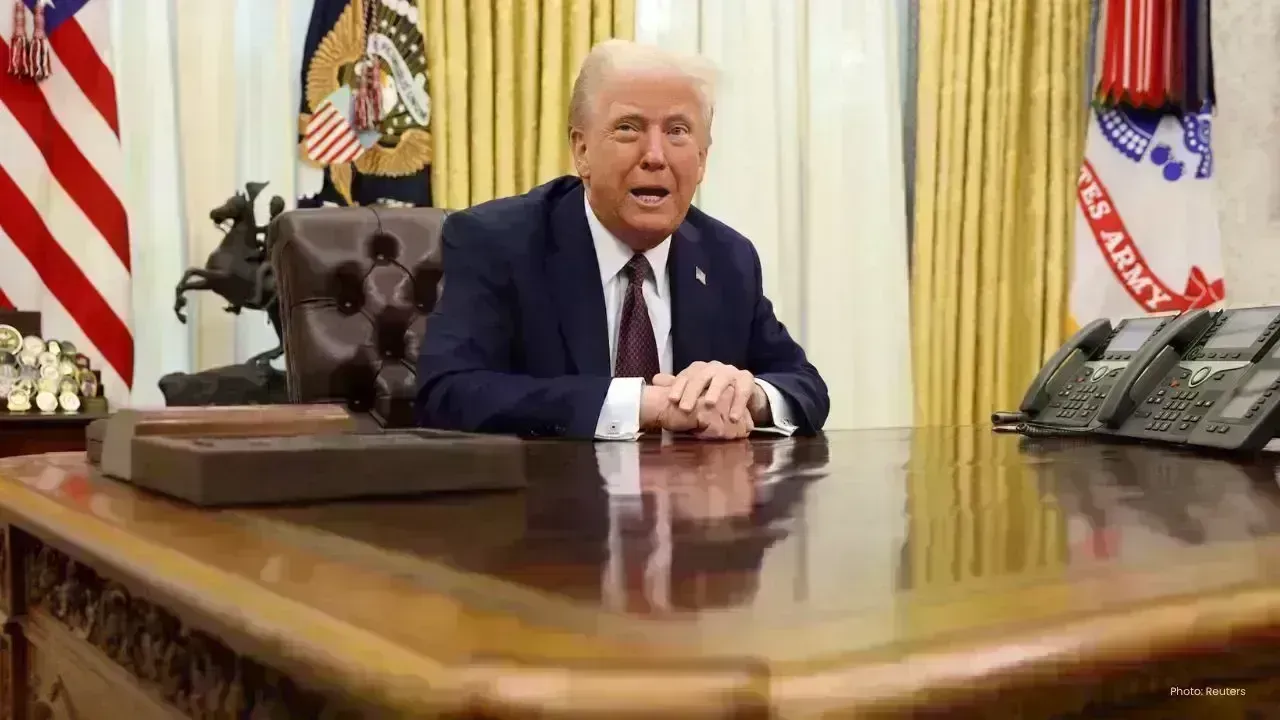
In a significant policy shift, the Trump administration aims to broaden public access to federal lands nationwide. President Donald Trump has issued an executive order that overturns two long-established directives governing the management of public land access and off-road vehicle activities. This new action intends to eliminate obsolete regulations, boost recreational opportunities, and afford land managers greater discretion in decisions concerning federal property.
The White House states that the outdated policies were formulated decades ago and do not reflect the current standards for land management. Officials from the administration contend that earlier regulations often delayed important projects, restricted public access, and imposed additional requirements on federal agencies. By rescinding these directives, the administration seeks to expedite decision-making and increase public access to vast expanses of federally overseen land.
Under the executive order, federal bodies such as the Department of the Interior and the Department of Agriculture are instructed to evaluate existing rules established under the revoked guidelines. Agencies will need to pinpoint restrictions that limit access and propose modifications to align with the administration’s contemporary approach. Officials aim to foster a more efficient system while still adhering to current environmental protection laws.
The White House clarified that this policy will not do away with environmental protections mandated by federal legislation. They argue that advancements in technology, mapping systems, and improved environmental review procedures enable agencies to manage public lands effectively while stepping away from regulations rooted in older practices. The administration believes that it's possible to keep federal lands safeguarded while also enhancing public access.
Proponents of the order argue that it will serve outdoor enthusiasts, rural communities, and businesses reliant on access to public lands. They foresee potential growth in tourism, recreational offerings, infrastructure upgrades, and economic development in areas where federal lands are a critical component of local economies. Increased flexibility for land managers, they assert, will help agencies adapt to contemporary needs and challenges more proficiently.
Nonetheless, some conservation advocates and environmental organizations are voicing concerns regarding the possible repercussions of increased access. Detractors warn that lessened restrictions could stress delicate ecosystems and wildlife habitats if not managed prudently. They plan to closely observe the implementation of the order by federal agencies and evaluate whether environmental protections will hold up under this new framework.
This executive order exemplifies the Trump administration’s overarching strategy to alleviate federal regulations and enhance access to public resources. As federal agencies embark on reviewing and revising their procedures, the enduring implications for recreation, conservation, and land management are set to be a focal point of dialogue among policymakers, environmental advocates, and local communities throughout America.


 English