Post by : Shweta
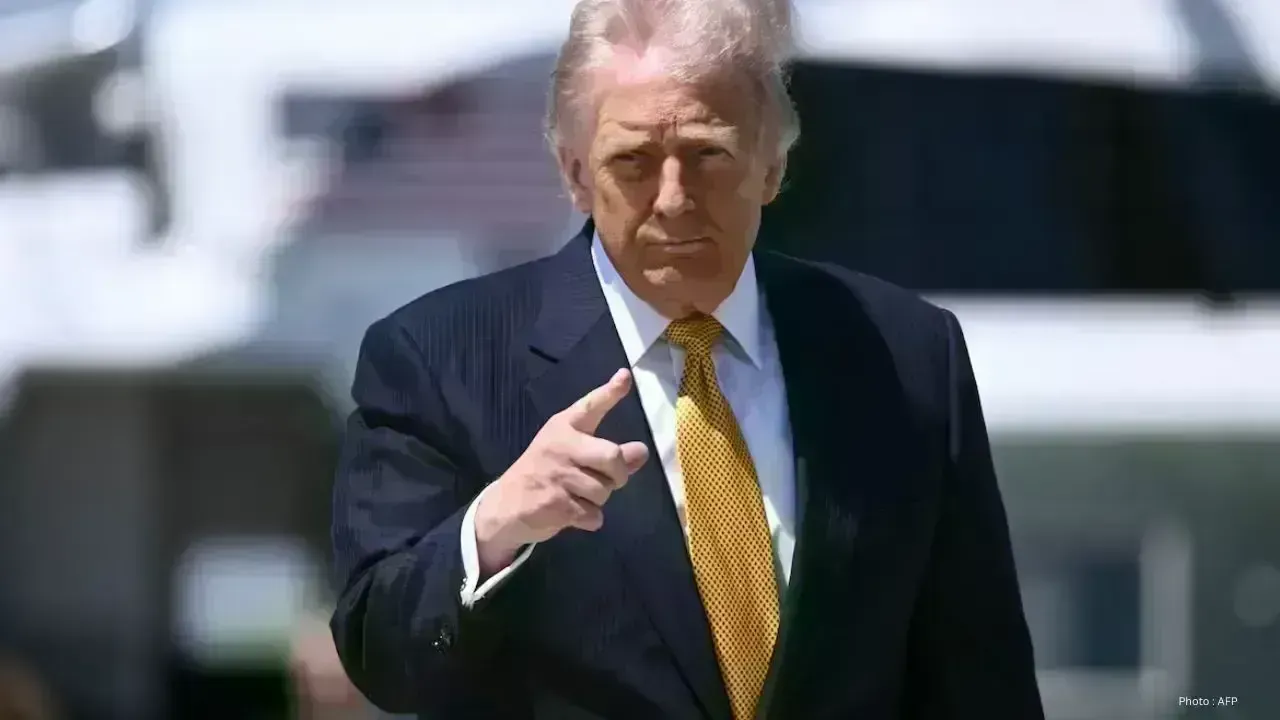
U.S. President Donald Trump has invited Jensen Huang, the CEO of Nvidia, on his important visit to China, aiming to strengthen trade relations and broaden American business prospects in the Chinese market. This initiative underscores the critical role of artificial intelligence and semiconductor technologies in the dynamic between the two leading global economies.
During his stay in Beijing for a pivotal summit with Chinese President Xi Jinping, Trump will focus on discussions surrounding trade, technology, and global security. Accompanied by senior officials and several significant American business figures, Huang stands out owing to the complexities surrounding advanced AI chips and semiconductor exports amidst rising tensions.
The Trump administration has implemented stringent policies limiting the export of advanced semiconductor technologies to China, citing concerns that high-end AI chips could bolster China’s military and surveillance capabilities. Nvidia, recognized as a dominant force and one of the most valuable technology firms globally, has been significantly impacted by these export restrictions as China remains a critical market.
Reports from the visit indicate that Trump is optimistic about the potential for continued economic cooperation with China, despite competitive challenges in sensitive tech sectors. Administration insiders suggest the president aims to “open up” more avenues for American businesses while negotiating enhanced protections for U.S. technology and intellectual property.
Huang’s presence at the summit is particularly significant as Nvidia has emerged as a major player in artificial intelligence hardware. The company’s top-tier graphics processing units (GPUs) are vital for training AI systems employed in data centers, research sectors, and cloud computing networks worldwide.
Following years of U.S. restrictions, China has intensified its efforts to enhance local production of advanced semiconductors. However, Chinese tech firms are still struggling to adequately replace Nvidia's high-performance chips, which remain essential for numerous AI initiatives and commercial operations. This evolving relationship has emerged as a politically delicate issue for both nations.
Speculations suggest Huang may engage in discussions centered on technology investments, AI partnerships, and semiconductor trade. Analysts propose that the talks might explore potential modifications to export restrictions or establish limited agreements for certain lower-performance AI chips entering the Chinese market.
This high-stakes visit arrives amid escalating global competition in artificial intelligence, with both the U.S. and China investing heavily in AI frameworks, semiconductor production, and advanced computing technologies. Experts insist that control over semiconductor supply chains is now recognized as a crucial strategic matter in global politics.
Trump consistently advocates for “fair trade” with China while prioritizing American national security. In past addresses, he has criticized trade imbalances with China but has also lauded Chinese President Xi Jinping for effective communication during challenging negotiations.
On the other hand, Chinese authorities have expressed a desire to stabilize economic relations with the U.S., following a tumultuous period marked by tariffs and technology conflicts. Beijing continues to oppose American export restrictions, claiming they unjustly obstruct Chinese companies' access to global markets and technological advancements.
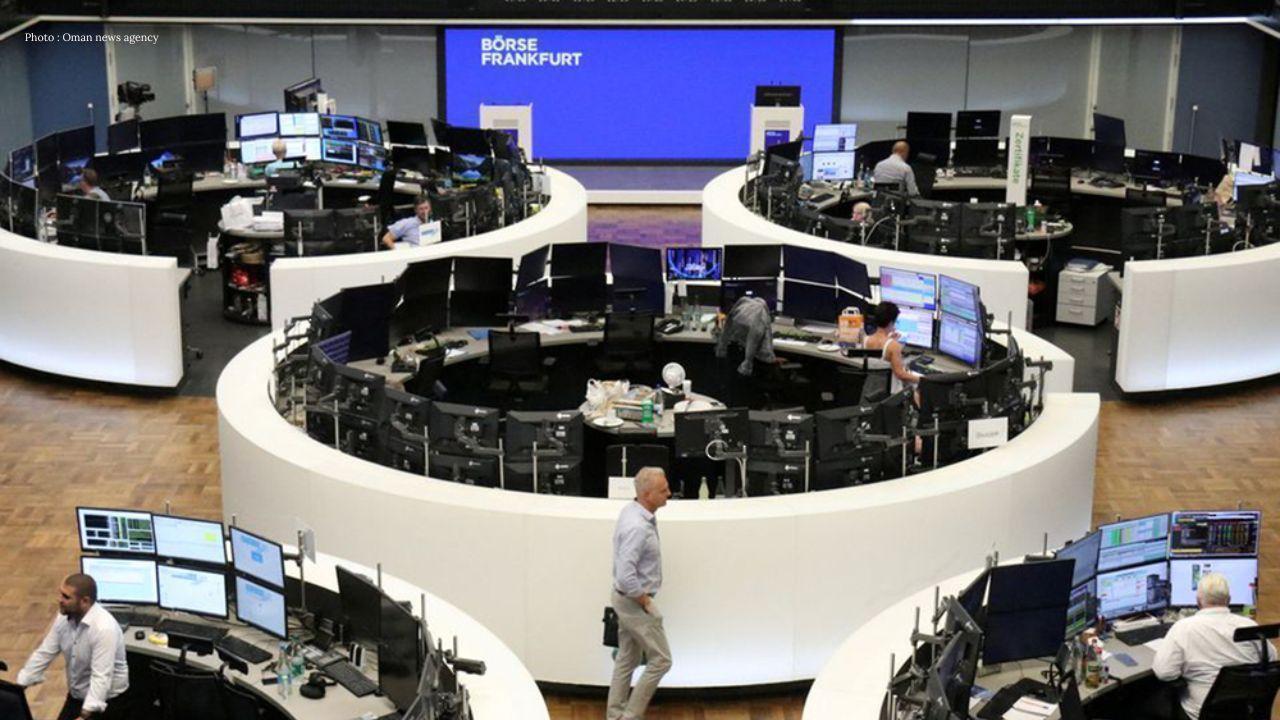
Market analysts and tech investors are attentively monitoring the summit, as advancements in U.S.-China technology relations could significantly impact global semiconductor firms, AI innovation, and international commerce. Nvidia's stock and other technology shares have responded vigorously to recent developments linked to this meeting.
The ongoing summit between Trump and Xi is set to occur over several days, discussing tariffs, rare earth minerals, Taiwan, cybersecurity, and energy security. Observers believe the outcomes of these discussions could significantly influence the trajectory of global technology competition for years ahead.


 English