Post by : Shweta
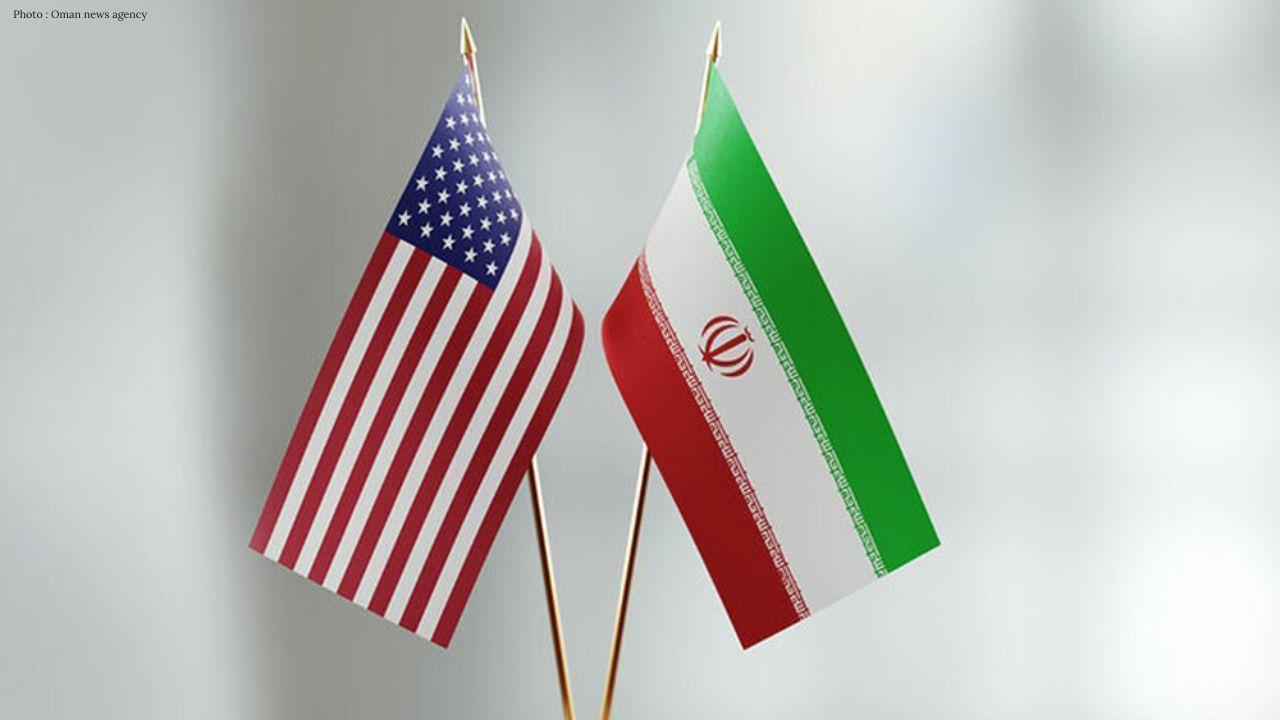
President Donald Trump has publicly criticized Iran’s recent proposal aimed at resolving the ongoing conflict, significantly dampening prospects for an imminent diplomatic solution. The offer, articulated by Abbas Araqchi, proposes delaying any discussions related to Iran’s nuclear program until the conclusion of the current war and the resolution of maritime disputes in the Gulf.
U.S. officials indicate that Trump is firm in his stance against any agreement that doesn't address nuclear concerns upfront. The White House has consistently reinforced its position, emphasizing that nuclear issues are fundamental to any potential framework for resolution.
The conflict, which escalated earlier this year involving the United States and Israel against Iran, has already led to significant global repercussions. Thousands have lost their lives, and disruptions in crucial energy routes have sparked a surge in oil prices and heightened global inflationary pressures. Additionally, there is growing uncertainty in the financial markets due to decreased oil shipments through the key Strait of Hormuz.
Iran's proposal suggests a methodical approach to negotiations, starting with an immediate cessation of hostilities and guarantees against future conflicts. It also seeks the lifting of American naval restrictions affecting Iran's oil exports. Only after these initial actions would discussions advance to address more intricate matters, like Iran’s nuclear programs and its request for acknowledgment of its uranium enrichment rights.
Nonetheless, Washington’s rejection of this phased approach has hampered diplomatic progress. Recent cancellations of planned visits by major U.S. representatives to regional mediators indicate a growing sense of frustration within the administration. In contrast, Iran has been fortifying its diplomatic ties with allies, including Russia, to bolster its negotiating position.
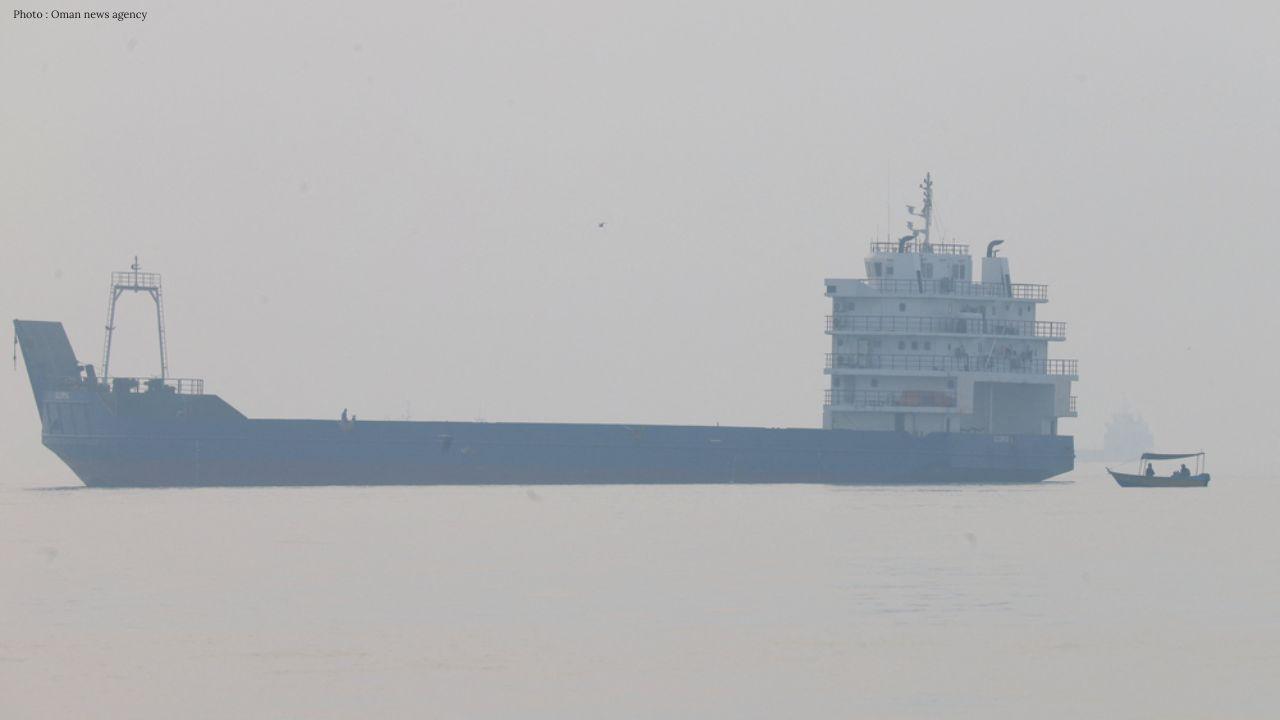
The ongoing conflict has significantly disrupted global oil flows, with reports suggesting numerous tankers carrying Iranian oil turned away due to U.S. enforcement measures. Traffic through the Strait of Hormuz—a vital artery for global oil transportation—has sharply declined, with only a handful of vessels navigating the route in recent days, down from over a hundred daily prior to the conflict.
Iran has condemned U.S. actions as unlawful interference, asserting that it is exploring alternative trade routes to alleviate dependence on Gulf shipping channels. Despite these initiatives, the ongoing disruptions continue to have a profound impact on global energy markets, further driving up oil prices.
As tensions persist, with both parties standing resolute in their positions, immediate resolution prospects appear dim. The core disagreement surrounding the timing of addressing nuclear issues has become a pivotal barrier, entrenching the conflict in a drawn-out and uncertain phase with broad global ramifications.


 English