Post by : Shweta
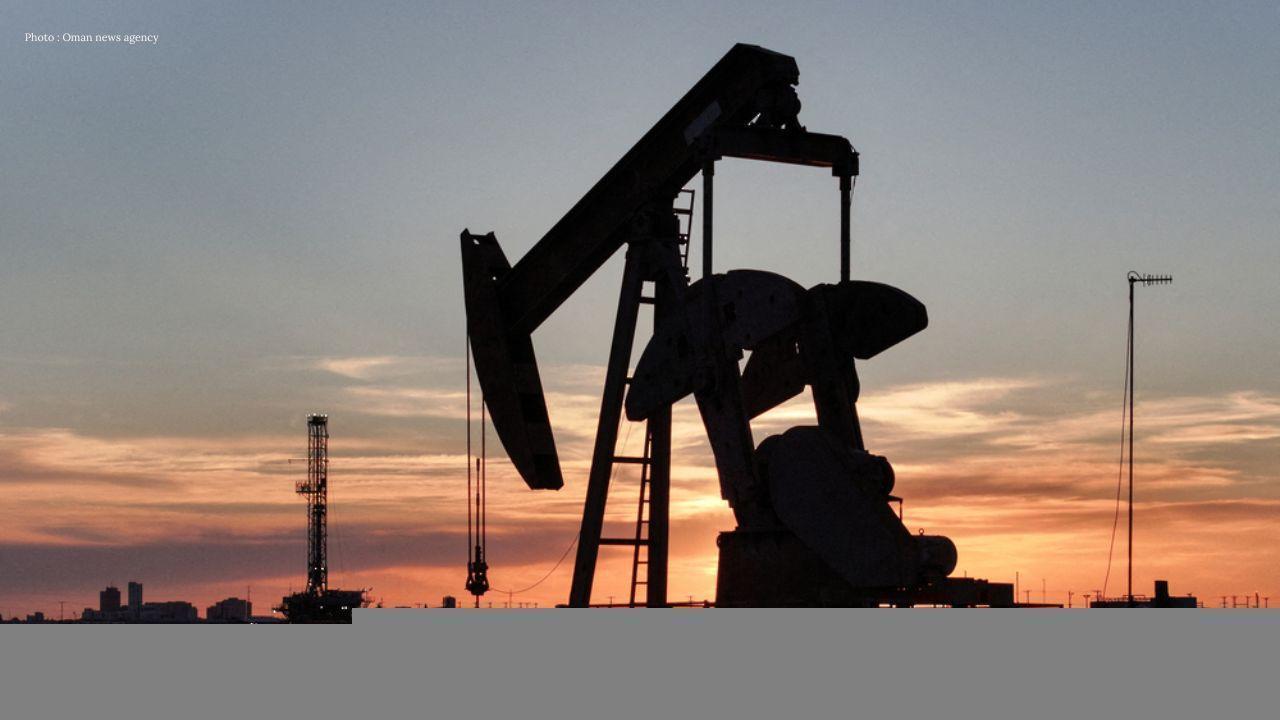
Oil prices experienced a notable increase after President Donald Trump cautioned that the ceasefire between the U.S. and Iran was “on life support,” stirring concerns about escalating tensions in the Middle East. Investor anxiety grew as the likelihood of disruptions to oil supplies and key shipping lanes became apparent, leading to a swift response from financial markets.
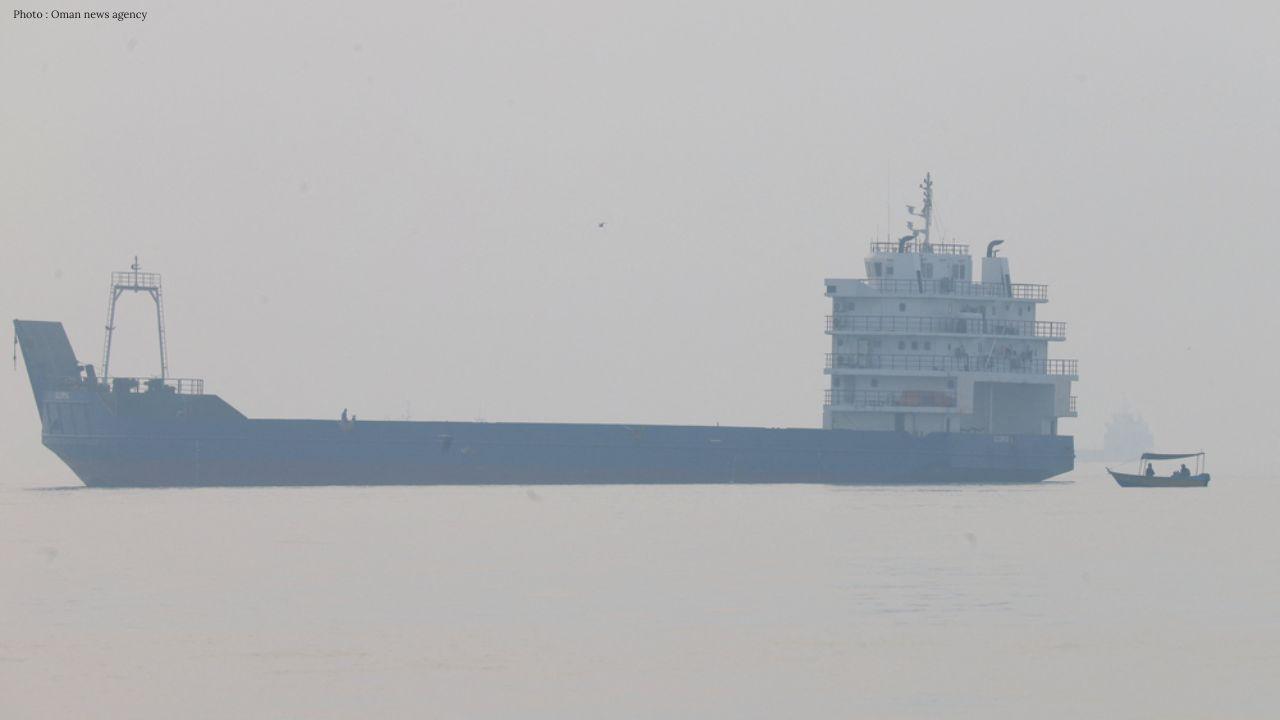
Market analysts reported Brent crude oil prices surged nearly 3 percent, finishing above $104 per barrel, while U.S. West Texas Intermediate crude also saw significant gains. The rise in prices is attributed to trader fears over potential ongoing conflict impacting shipping routes through the vital Strait of Hormuz, one of the globe’s crucial oil transit pathways.
Trump's comments followed his dismissal of Iran's latest reply to a U.S.-backed peace initiative. Sources indicate that the U.S. president characterized Tehran’s counterproposal as unsatisfactory, casting doubt on the viability of the ceasefire agreement. This has dampened hopes for a quick resolution in the discussions between Washington and Tehran.
The Strait of Hormuz is pivotal for international oil transport, with nearly 20% of the world's supply flowing through this narrow passageway. Any potential disruptions or military conflicts in this area pose a significant risk of spiking fuel prices and straining economies already facing inflation and trade uncertainties.
Energy market experts noted that earlier optimism regarding the reopening of shipping routes and a reduction in military tensions had led to a decrease in oil markets last week. However, Trump’s recent remarks have prompted a return to safe-haven investment strategies and heightened energy purchases.
International observers are closely watching U.S.-Iran relations as diplomatic talks remain precarious. Reports suggest that Iran seeks sanctions relief, acknowledgment of its regional demands, and alterations to oil export restrictions prior to fully committing to a broader peace agreement. Meanwhile, the U.S. continues to pressure Iran due to security issues and regional military involvement.
This situation is raising alarms among businesses and transportation sectors, as rising oil prices typically lead to increased fuel expenditures, shipping costs, and inflationary pressures worldwide. Economists warn that a prolonged period of instability in the Middle East could impact various sectors, including airlines, manufacturing, and global trade, if energy prices keep climbing.
Political analysts suggest that the upcoming discussions between Trump and Chinese President Xi Jinping could be pivotal. With China being a major buyer of Iranian oil, experts believe Beijing's role may significantly influence future negotiations revolving around regional stability and energy markets.
Amid this uncertainty, global leaders from various nations are advocating for diplomacy and restraint to avert another significant military conflict in the Middle East. Nonetheless, with negotiations growing increasingly complex and oil markets highly sensitive to political changes, the world’s focus remains on the future of the Iran ceasefire.


 English