Post by : Saif
Al-Najjar
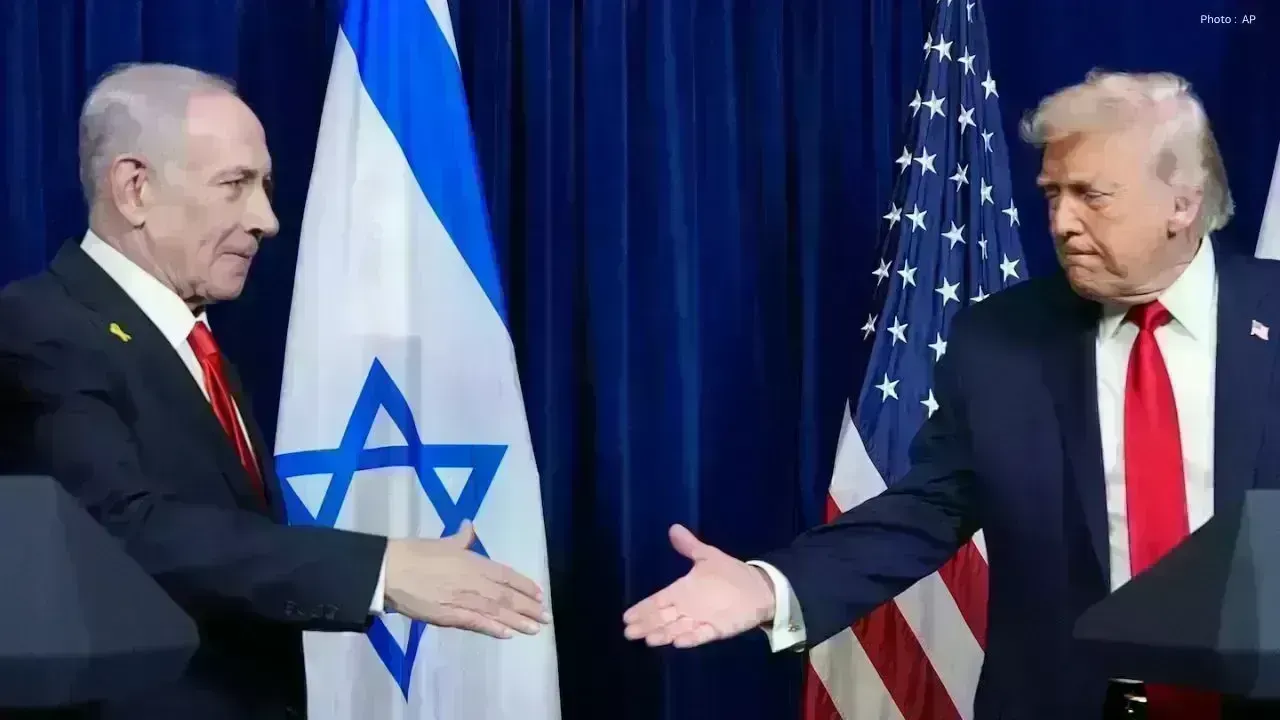
Donald Trump and Benjamin Netanyahu are increasingly at odds concerning their strategies for addressing the ongoing Iran situation, igniting concerns about Middle Eastern stability and security. Although the U.S. and Israel maintain a close alliance, recent reactions indicate a growing rift in their approaches to the crisis.
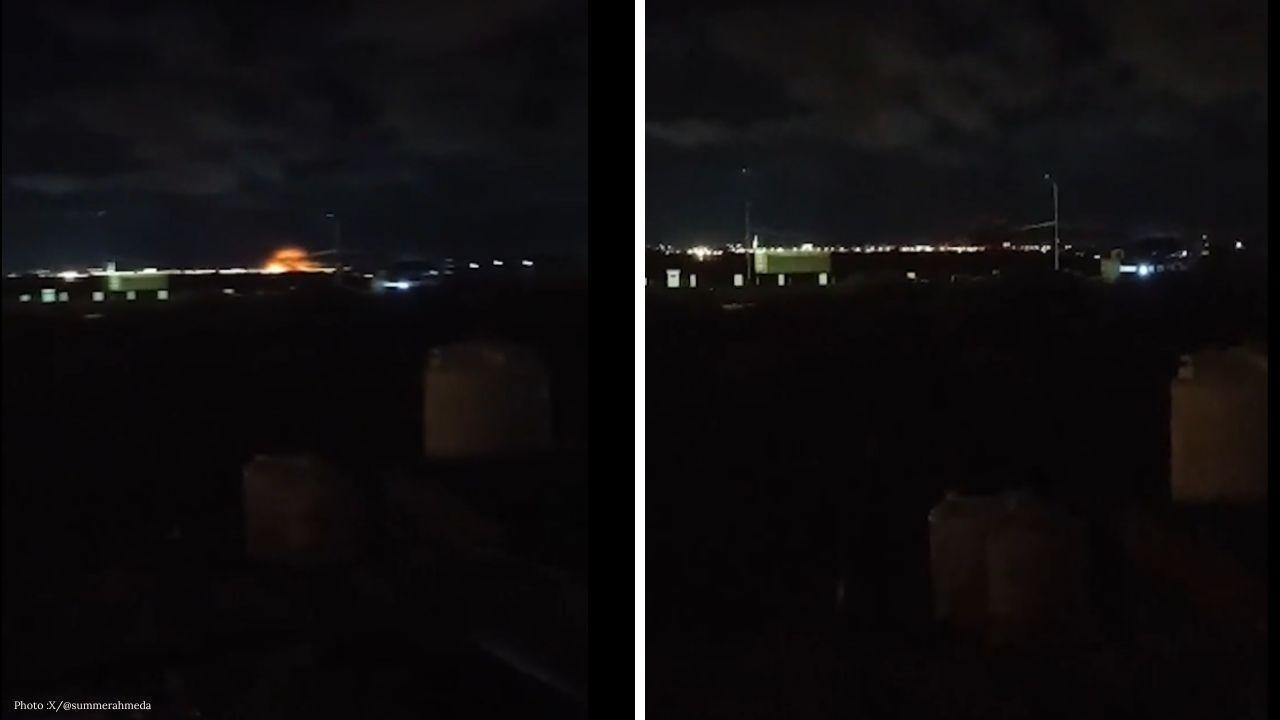
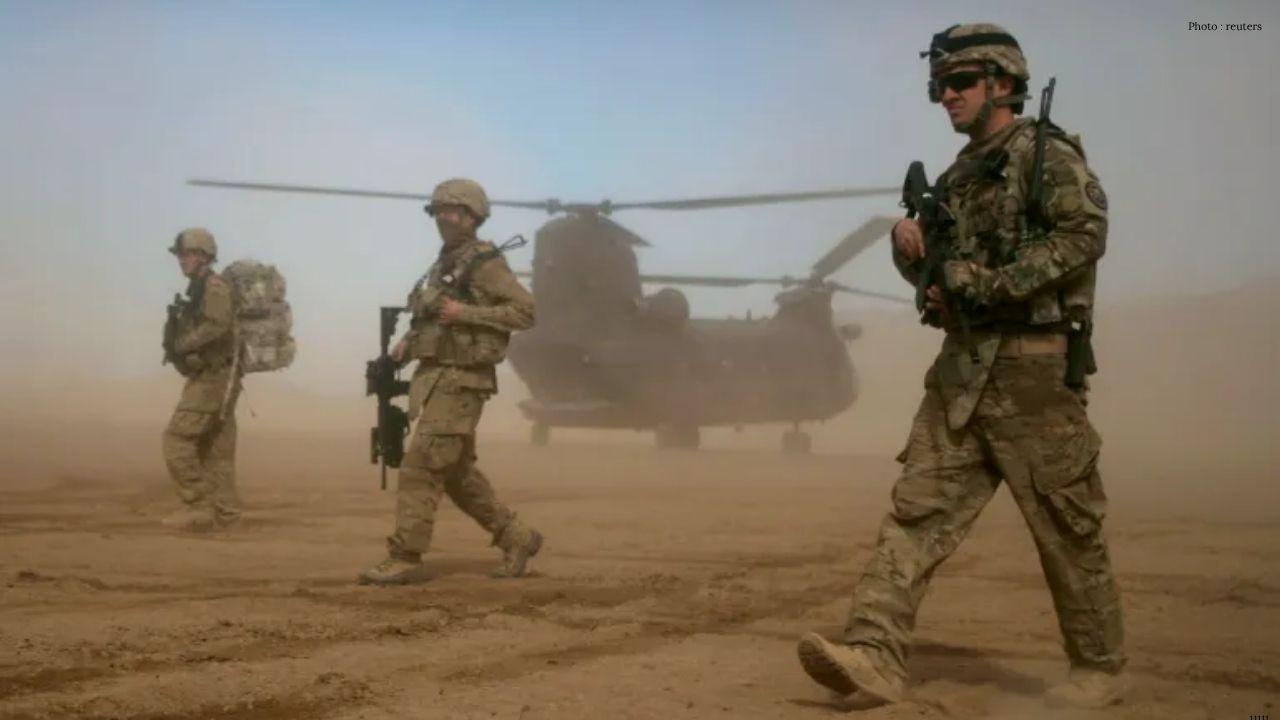
This division became apparent following various military actions and diplomatic initiatives related to Iran. Reports suggest that the U.S. administration advocates for restraint and a reduction in hostilities, while the Israeli government stresses the necessity of robust military responses to threats from Tehran and its affiliates.
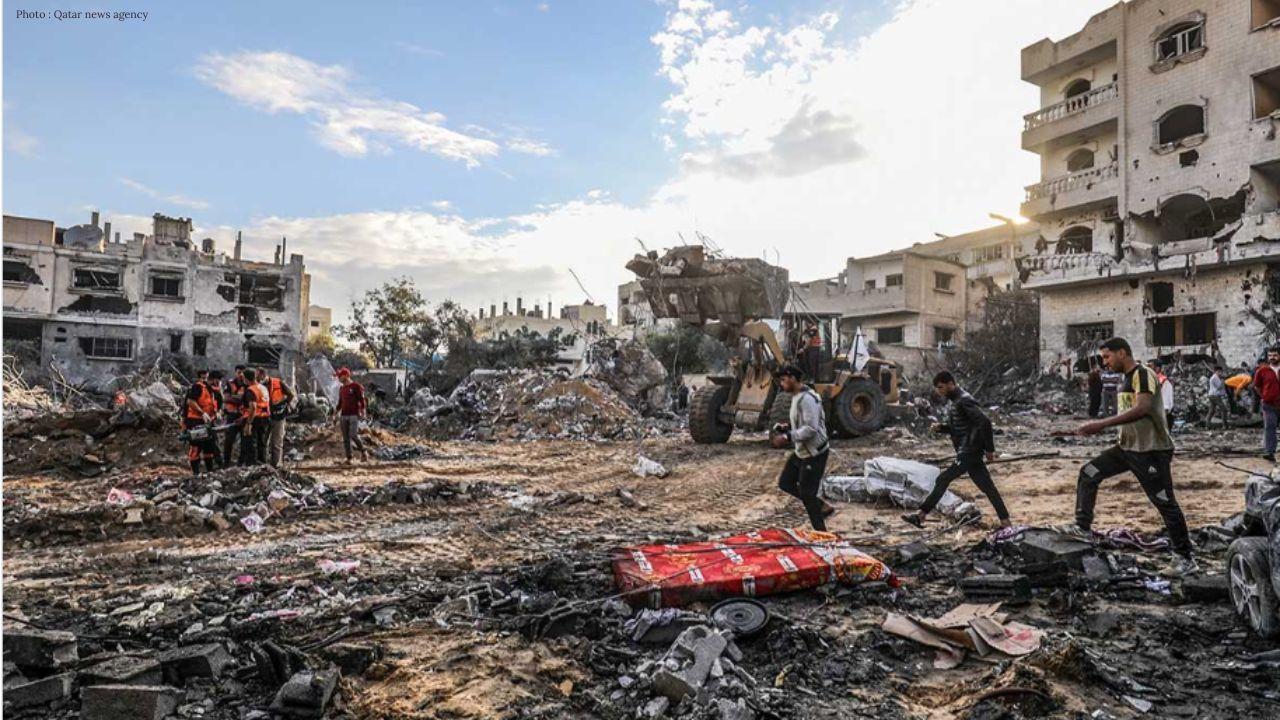
The Iranian conflict has emerged as a pivotal international issue for 2026, with military exchanges and missile tensions attracting global focus. Initially, Washington and Jerusalem appeared united, but differing priorities have now led to a more complicated relationship between the two nations.
For President Trump, a key goal is to avoid a broader regional war. The U.S. is keen on preventing instability that might disrupt international trade routes and escalate energy prices, along with triggering further security challenges. Extended conflict could have adverse effects on global economies.
Moreover, the White House is keen on upholding diplomatic channels. American officials see negotiations as vital for mitigating risks and preventing major escalations, hinting at concerns that continued military escalations could precipitate unpredictable outcomes across the region.
In contrast, Prime Minister Netanyahu faces distinct challenges. Israeli leadership views Iranian military influence in the region as a direct threat. Consequently, the Israeli government advocates for ongoing pressure to safeguard national interests and deter potential assaults.
This disparity in approach doesn't signify a breakdown of U.S.-Israel relations; they continue to collaborate closely on defense, intelligence, and regional security issues. However, this current disagreement illustrates how allies can occasionally adopt differing methodologies while striving towards common goals.
The Iran situation has notably impacted the Middle East, prompting several nations to enhance security measures, while global organizations keep a vigilant watch. Concerns surrounding shipping routes, energy supplies, and economic stability remain pivotal for nations worldwide.
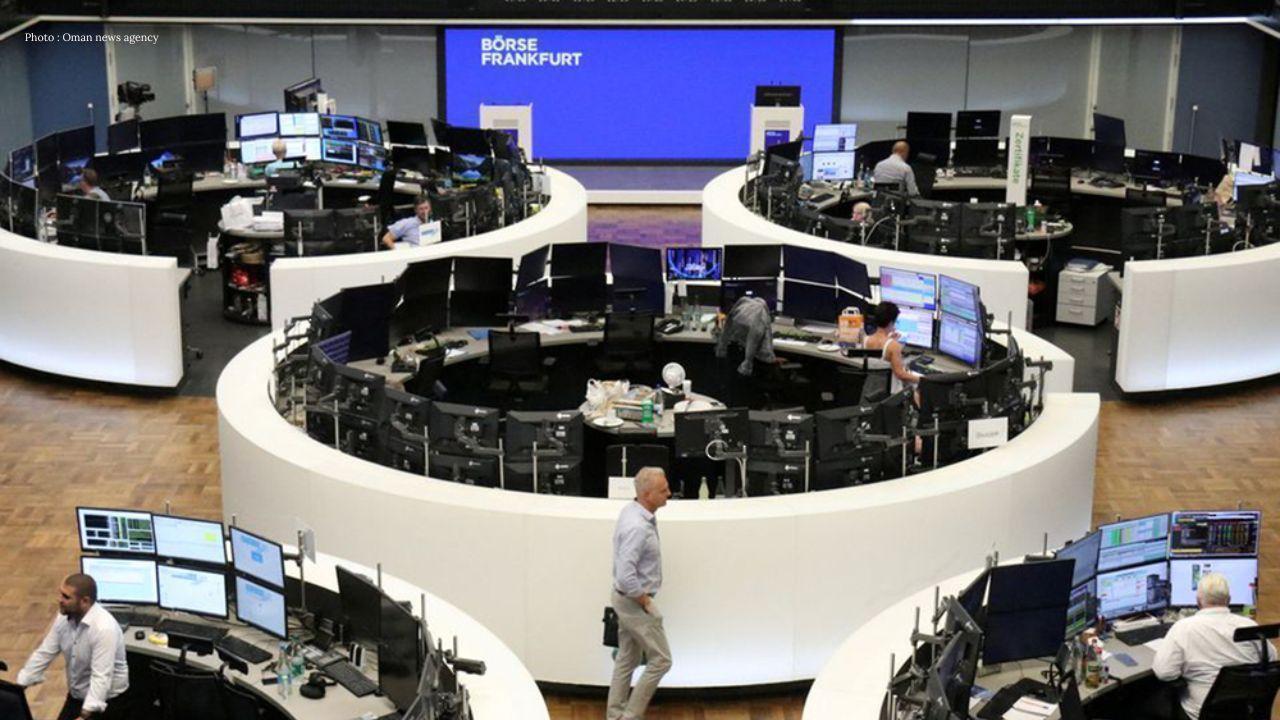
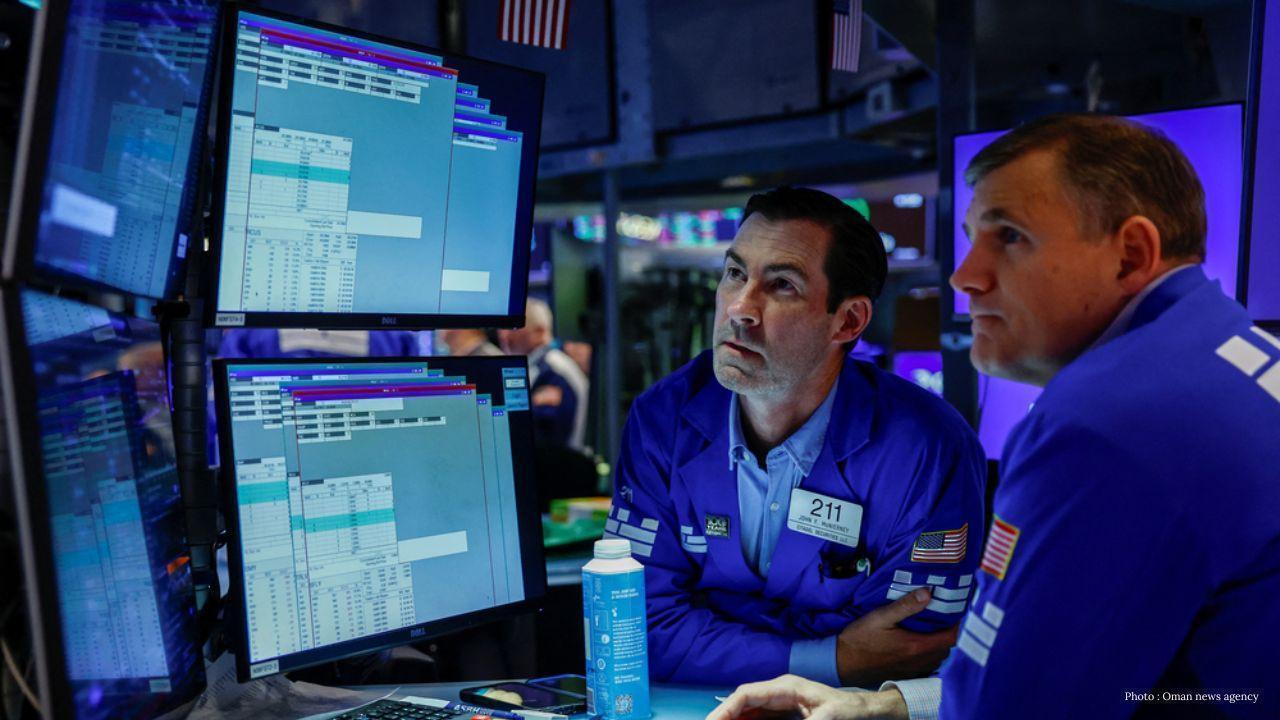
Global financial markets have felt the effects of regional developments. Heightened tensions incite investor worries about potential disruptions in oil supply chains. The mere prospect of escalating conflict can significantly influence market prices and heighten uncertainty for businesses and consumers alike.
The crisis's impact on diplomacy is profound. Efforts to ease tensions become far more complex as military engagements persist. Establishing trust demands time, consistent communication, and a readiness to engage in dialogues, all of which are hindered by continual exchanges of fire.
Experts predict that the coming months will be crucial for establishing peace and security in the Middle East. Decisions by Washington, Jerusalem, and Tehran could dictate whether the region veers toward diplomacy or plunges into another cycle of confrontation. The influence of major regional and global players will also be significant.
This situation is under global scrutiny due to its possible worldwide ramifications. A stable Middle East is essential for international trade and energy security. A significant escalation could reverberate far beyond the region.
Public sentiment is increasingly influencing policy formulation, as citizens monitor developments, voicing concerns about security and economic stability. Political leaders are tasked with weighing these issues as they navigate the complexities of national and international interests.
The widening gap between Trump and Netanyahu over the Iran conflict exemplifies the intricate nature of contemporary diplomacy and security strategies. While both leaders share mutual concerns about regional threats, their perspectives on addressing these issues are distinctly different—one endorsing diplomatic solutions and de-escalation, the other emphasizing military force and deterrence.
As the conflict with Iran unfolds, global observers remain eager to see if diplomatic efforts can ease tensions or if new confrontations will arise. The results will not only influence the future of the Middle East but may also reshape global security and economic frameworks for the foreseeable future.


 English