Post by : Shweta
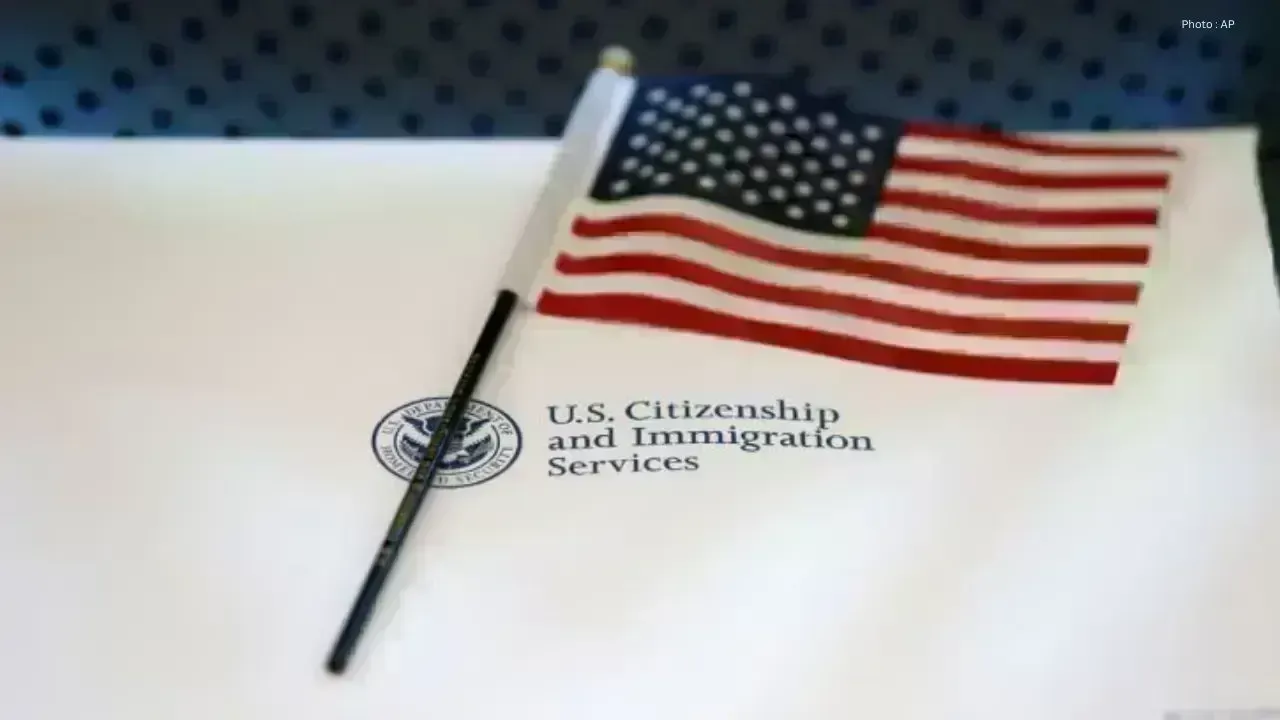
In a significant shift in immigration policy, the Trump administration has unveiled new regulations impacting numerous foreign nationals living stateside. As per the latest directives, individuals seeking permanent residency—commonly referred to as green cards—must now exit the United States to finalize their application process from their native countries. This marks a pivotal change in immigration protocols during Donald Trump’s second presidential term.
According to updated policies from the US Citizenship and Immigration Services (USCIS), only applicants facing “extraordinary circumstances” will be permitted to apply for green cards while remaining in the US. Typically, those on temporary visas, including H-1B work permits, student, and tourist visas, will be required to return to their home nations to complete interviews at US consulates before securing permanent residency.
US immigration authorities indicated the intent of this policy is to restore what the administration considers the “original intent” of immigration laws. USCIS representative Zach Kahler noted that temporary visas were intended for brief visits and should not naturally lead to pathways toward permanent residency. Officials argue that the change could help mitigate visa overstays and enhance immigration regulation nationwide.
This new approach is anticipated to affect a considerable number of skilled foreign professionals, international students, and family-based applicants already authorized to reside in the United States. Lawyers specializing in immigration and advocacy organizations caution that this alteration might lead to prolonged separations for families, as the processing of green cards in US embassies often spans several months or even years. Furthermore, experts pointed out that those departing the US after visa overstays could encounter challenges when attempting to return due to existing immigration policies.
Reports suggest the administration might still entertain exceptions for those demonstrating significant economic contributions to the US or serving national interests. However, officials have yet to clarify eligibility for these exemptions, raising concerns among employers, particularly in technology and healthcare sectors that rely heavily on foreign talent.
The announcement has ignited strong responses from immigration advocates, business leaders, and political critics. Detractors assert that this decision could adversely affect the US economy by deterring highly skilled individuals from establishing their careers here. Conversely, proponents believe the policy enhances immigration enforcement and ensures visa holders adhere to authorized legal processes.
Legal challenges against the new immigration rule are anticipated in the coming weeks. Experts in immigration law foresee this policy having profound implications for the green card framework and creating significant uncertainty for numerous families and workers awaiting permanent residency in the United States.


 English