Post by : Meena
Hassan
Thailand and Cambodia are slowly enacting their ceasefire agreement, following a series of severe border clashes that marked the worst violence between the two nations in years. This renewed commitment to peacemaking arises after escalating conflict drew both regional and global concern.
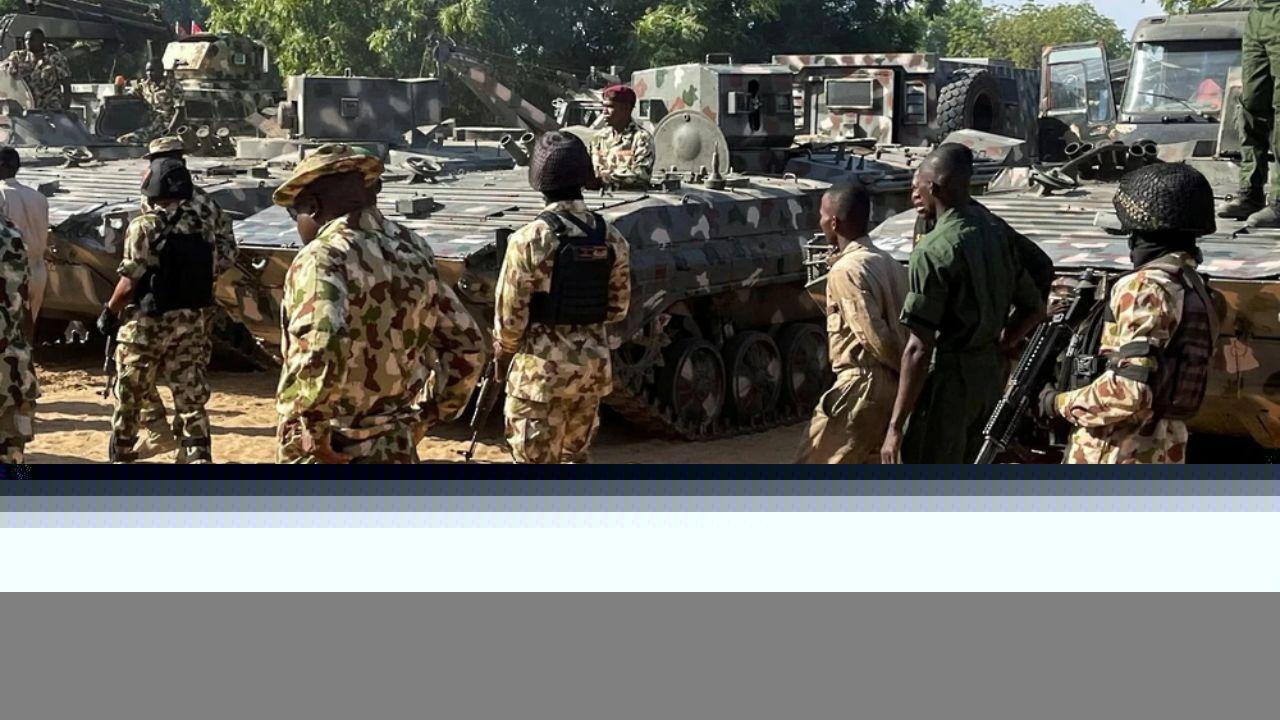
The clashes, which began in late November and persisted into December, featured significant artillery bombardments, small arms confrontations, and occasional border incursions. While each side reported casualties, the figures vary. This unrest has displaced numerous villagers and significantly disrupted life in bordering districts. The growing violence prompted urgent diplomatic efforts from both regional and international powers.
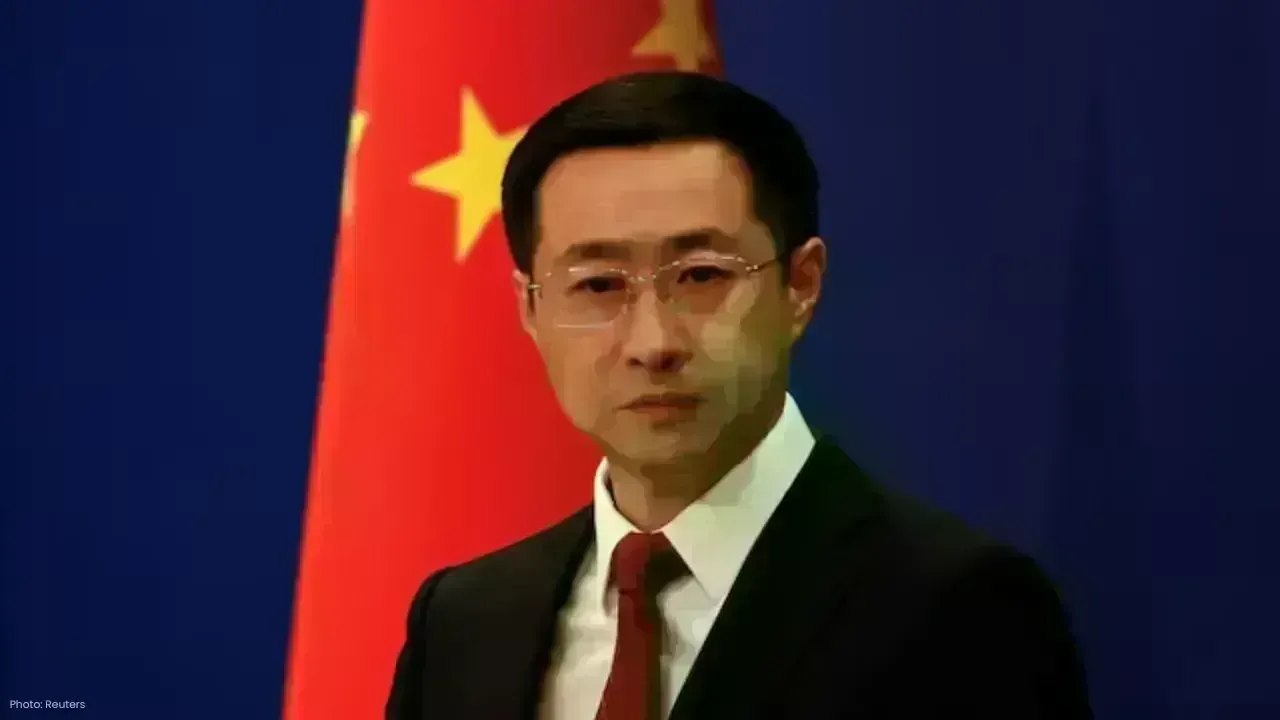
Observing the situation closely, Chinese authorities have advocated for a "comprehensive" and "enduring" peace between Thailand and Cambodia. A spokesperson from the Chinese Ministry of Foreign Affairs emphasized that stability at the border is vital for civilian safety and overall regional security. Historically, China has acted as a mediator in disputes across Southeast Asia and encourages further dialogue between Bangkok and Phnom Penh to avert any future conflicts.
In a gesture of cooperation, Thailand has returned 18 Cambodian soldiers detained during the clashes, a move welcomed by Cambodian officials as a constructive step toward de-escalation and rebuilding military trust. Analysts note that such confidence-building activities are crucial for maintaining peace and enabling both nations to discuss issues without fear of retaliation.
The two countries formalized a second ceasefire at the end of December, following extensive negotiations facilitated by regional diplomats. This agreement marks a commitment from both sides to lessen military engagement, honor border agreements, and leverage diplomatic avenues for conflict resolution. As the ceasefire takes effect, the necessity for vigilant monitoring, effective communication, and goodwill from both governments is underscored.
Experts assert that while the pace of progress is gradual, the ceasefire is a crucial move in breaking a cycle of repeated hostilities. Long-term stability along the Thailand-Cambodia border relies on continued interactions, transparent incident reporting, and strategies to address disputes before they escalate into significant conflicts. Absent ongoing efforts, there's potential for minor skirmishes to rekindle tensions, jeopardizing recent peacebuilding endeavors.
Although the situation remains fragile, the stepwise implementation of the ceasefire and the return of those detained signal a mutual pursuit of reconciliation from both Thailand and Cambodia. Regional observers maintain a cautiously optimistic outlook that with persistent diplomatic engagements, the border area could achieve enduring stability, benefiting local populations and encouraging stronger bilateral relationships between the two Southeast Asian nations.


 English