Post by : Shakul
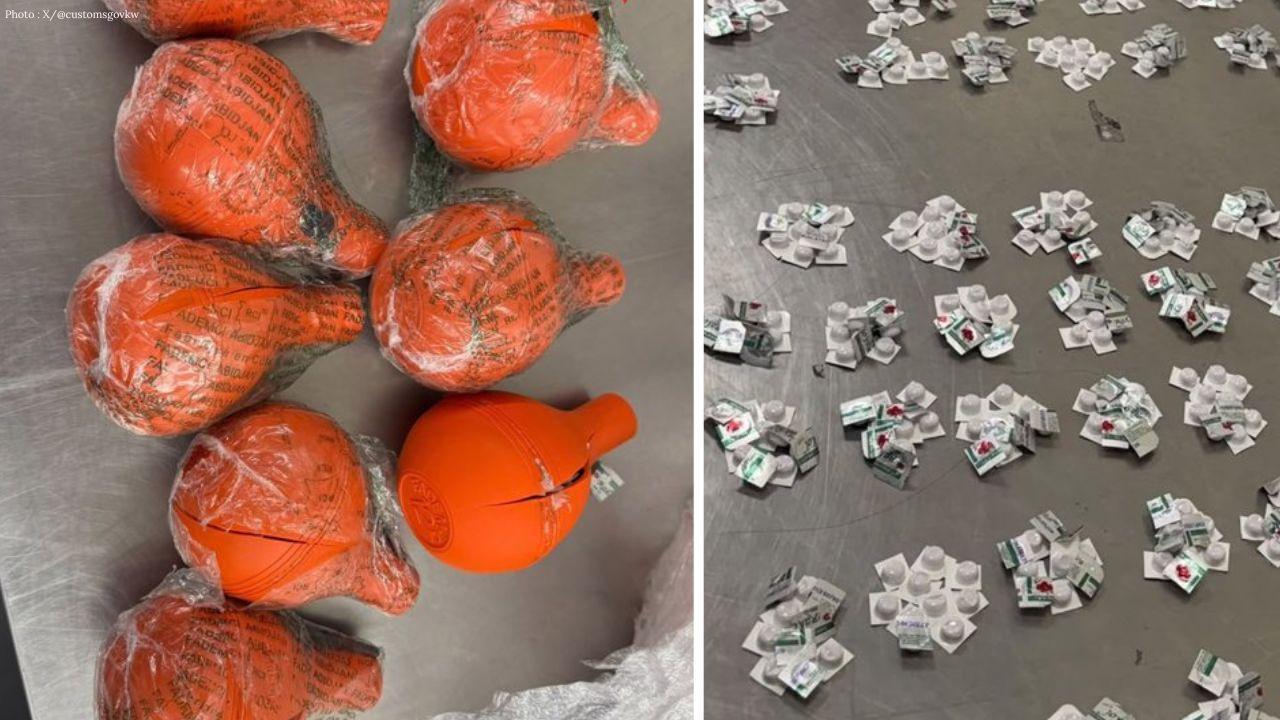
In a significant move, the Thai government has initiated a comprehensive campaign targeting the illegal production, importation, and dissemination of injectable cosmetic products. Over 35,000 illicit items worth more than 22 million baht were seized during coordinated operations across various locations in Thailand.
According to Ploytalay Laksmisangchan, Deputy Spokesperson for the Prime Minister’s Office, this operation was a collaborative effort led by the Food and Drug Administration (FDA) and the Consumer Protection Police Division from the Central Investigation Bureau. Officials executed raids at three different sites, confiscating significant quantities of unlisted cosmetic items, illegal medications, and non-compliant medical equipment.
The confiscated goods comprised 20,596 cosmetic products, 217 drugs without registration, 240 medical instruments, and 14,592 promotional materials. Investigators indicated that many of these items were being misleadingly marketed as foreign injectable skin-enhancing vitamins, and beauty products without appropriate authorization for injection.
Some offenders were found to exploit weaknesses in cosmetic registration laws, as obtaining approval for cosmetics is comparatively simpler than for pharmaceuticals. These offenders then marketed the products to beauty clinics, falsely presenting them as safe for injection. Authorities have cautioned that using cosmetic-grade substances for injection could lead to severe health issues due to a lack of rigorous safety assessments.
The government emphasized that injectable products are classified as high-risk items, necessitating stringent FDA tests and registration to ensure their quality, safety, and effectiveness. Additionally, officials advised consumers to be cautious and not solely trust claims of being “FDA approved,” as various product categories have differing authorization requirements under Thai regulations.
Consumers are encouraged to verify product registrations on the FDA’s official website and through the “Doctor Ready” mobile application prior to undergoing any cosmetic procedures. All injectable fillers and medications utilized in beauty clinics and hospitals must be registered as legitimate medical devices.
The Thai government has also tasked the FDA with collaborating with online platforms to halt the sale of illegal products and eradicate listings that lack appropriate Thai-language labeling. Public health offices across provinces have been directed to intensify inspections of both brick-and-mortar shops and online sellers distributing unsafe cosmetic products.
Officials issued a warning that smuggled and uncontrollable products may harbor dangerous substances, fall short of quality standards, and significantly jeopardize public health. The administration stated that this campaign aims not only to safeguard legitimate enterprises but also to bolster public trust in Thailand’s healthcare and cosmetic sectors.


 English