Post by : Saif
Al-Najjar
In a significant development, Switzerland has categorically dismissed the allegations of forced labour leveled by the United States, all while ongoing tariff and trade cooperation negotiations are taking place. This friction arises within the larger context of important economic dialogue between the two nations.
Amidst this controversy, both countries have expressed their intent to proceed with negotiations. The current situation emphasizes that contemporary trade discussions transcend traditional topics, now encompassing labor standards, transparency in supply chains, human rights, and corporate accountability.
The Swiss authorities stand firm in defending their labor regulations, asserting that robust frameworks are in place to protect workers and adhere to international labor standards. Swiss officials have highlighted the stringent legal and ethical obligations that businesses are expected to follow.
At the crux of this issue lies a wider discourse on the scrutiny surrounding labor conditions within global supply chains. As international trade grows increasingly interconnected, governments are sharpening their focus on production practices and the fair treatment of workers in manufacturing processes.
The United States has turned its attention more firmly towards labor-related issues in its trade negotiations, arguing that adherence to ethical labor practices ought to be integral to economic accords. Consequently, labor standards are frequently examined alongside tariffs, investment incentives, and market access during negotiations.
However, Swiss leaders assert that their existing regulatory framework already offers substantial protection for workers. They contend that the claims do not accurately represent the nation’s labor standards and reaffirm their dedication to maintaining high industry benchmarks.
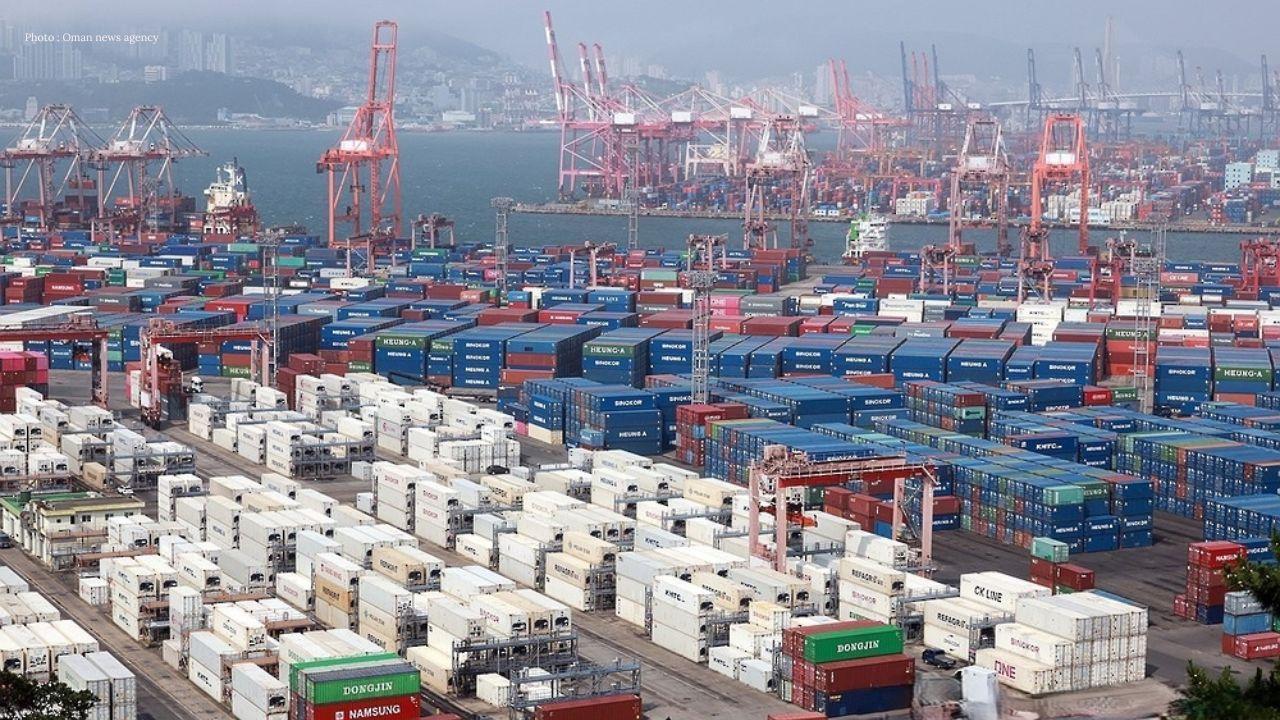
The trade relationship between the two countries remains highly significant, with the United States being one of Switzerland’s key economic partners, and Switzerland serving as a crucial investor and exporter in the global market. The commercial engagement supports numerous jobs and drives considerable economic activities annually.
Several sectors, such as pharmaceuticals, technology, manufacturing, financial services, and precision engineering, greatly benefit from this cooperation. Changes in trade protocols could potentially influence companies, investors, and consumers in both nations.
Tariff negotiations are notably crucial as they dictate the import duties affecting product costs crossing borders. Reduced tariffs could enable businesses to lower expenses, enhance competitiveness, and broaden market possibilities; while elevated trade barriers may escalate costs and pose challenges for exporters.
This existing disagreement reveals how multifaceted trade negotiations can be, incorporating intricate issues beyond mere economics. Governments often face the challenge of aligning commercial motivations with labor rights, environmental standards, and social accountability. Achieving consensus on these matters is essential for long-term collaborative efforts.
Advocates for enhanced labor oversight argue that trade pacts should promote equitable treatment of workers globally, insisting that companies benefiting from international markets adhere to recognized standards regarding workplace conditions and employee rights.
Conversely, critics assert that claims regarding labor practices require robust evidence. They emphasize the need for constructive dialogue and thorough investigations prior to making final judgments. Preserving trust among trading partners is deemed crucial for fruitful negotiations.
This dispute also mirrors a wider global phenomenon, whereby governments increasingly scrutinize supply chains and demand transparency from businesses. Consumers, investors, and regulators are placing heightened emphasis on the origins and production methods of goods.
For Switzerland, safeguarding its reputational integrity is paramount. With a long-standing reputation for reliable institutions and quality industries, officials regard allegations about labor practices as significant issues meriting explicit responses.
With businesses closely monitoring these negotiations, the outcomes possess the potential to influence future trading conditions. Stable economic relationships allow companies to strategize investments, scale operations, and generate employment. Uncertainties in trade policies can impact business decisions and affect market confidence.
The continuation of tariff talks, despite these disagreements, indicates a mutual commitment from both governments to foster a constructive relationship. Economic partnerships invariably encounter hurdles, yet sustained dialogue holds prospects for resolving divergences and enhancing cooperation.
The friction between Switzerland and the United States highlights the rising significance of labor standards in global trade policy. Even amid disputes about these allegations, both nations remain engaged in negotiations as they strive for advancements on broader economic issues. Businesses, policymakers, and investors are closely gauging the outcomes of these discussions, recognizing the critical role of robust and stable trade relationships in today's interconnected global economy.


 English