Post by : Saif
Al-Najjar
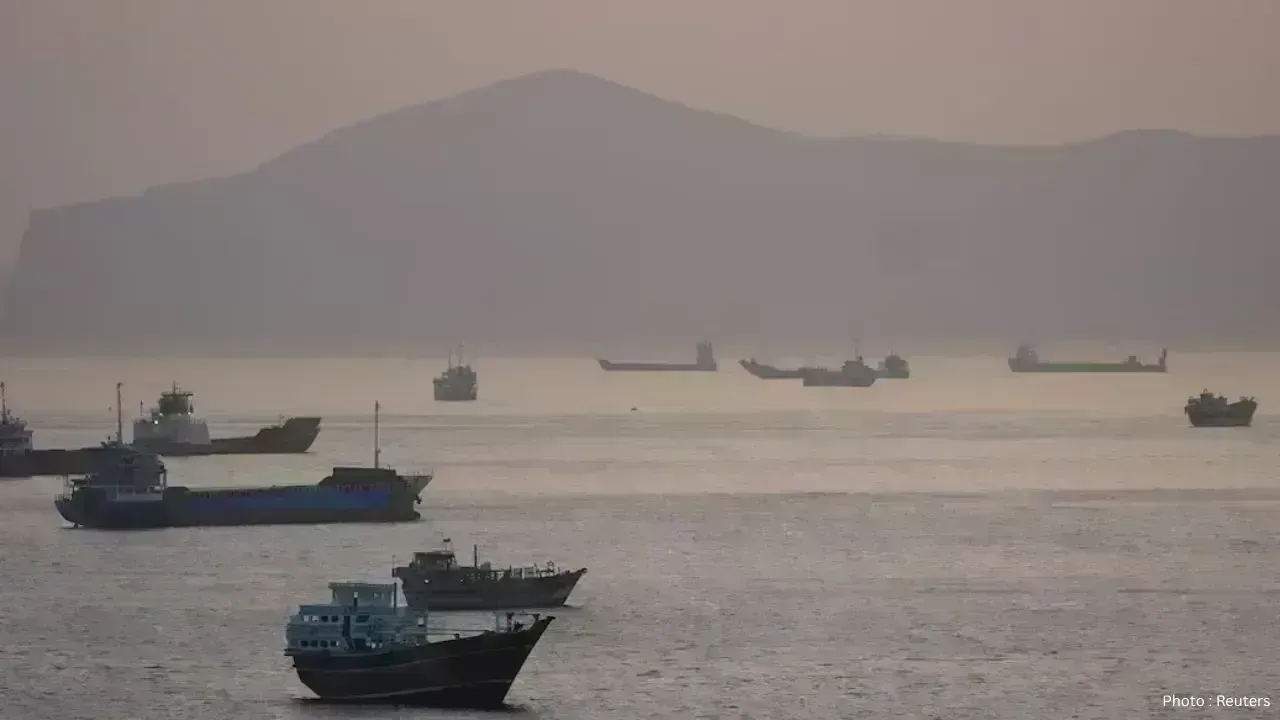
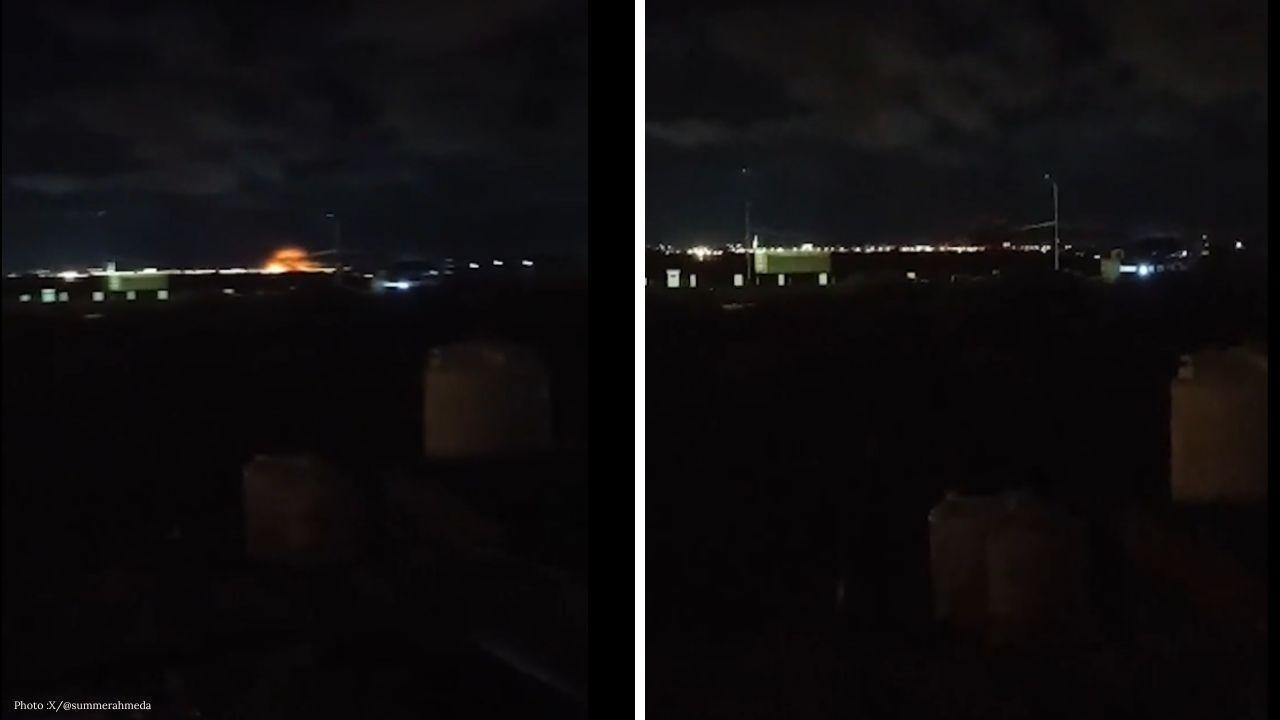
An undisclosed number of projectiles struck a commercial tanker near the Strait of Hormuz, triggering heightened concerns over security in one of the world’s pivotal shipping corridors. The attack has drawn significant international scrutiny, particularly after President Donald Trump announced that the United States would intervene to aid vessels stranded in the vicinity.
This incident transpired near the coast of the United Arab Emirates, an area that has increasingly encountered security challenges in recent weeks. While there were no casualties reported, shipping companies are now more apprehensive, resulting in many vessels delaying or altering their routes.
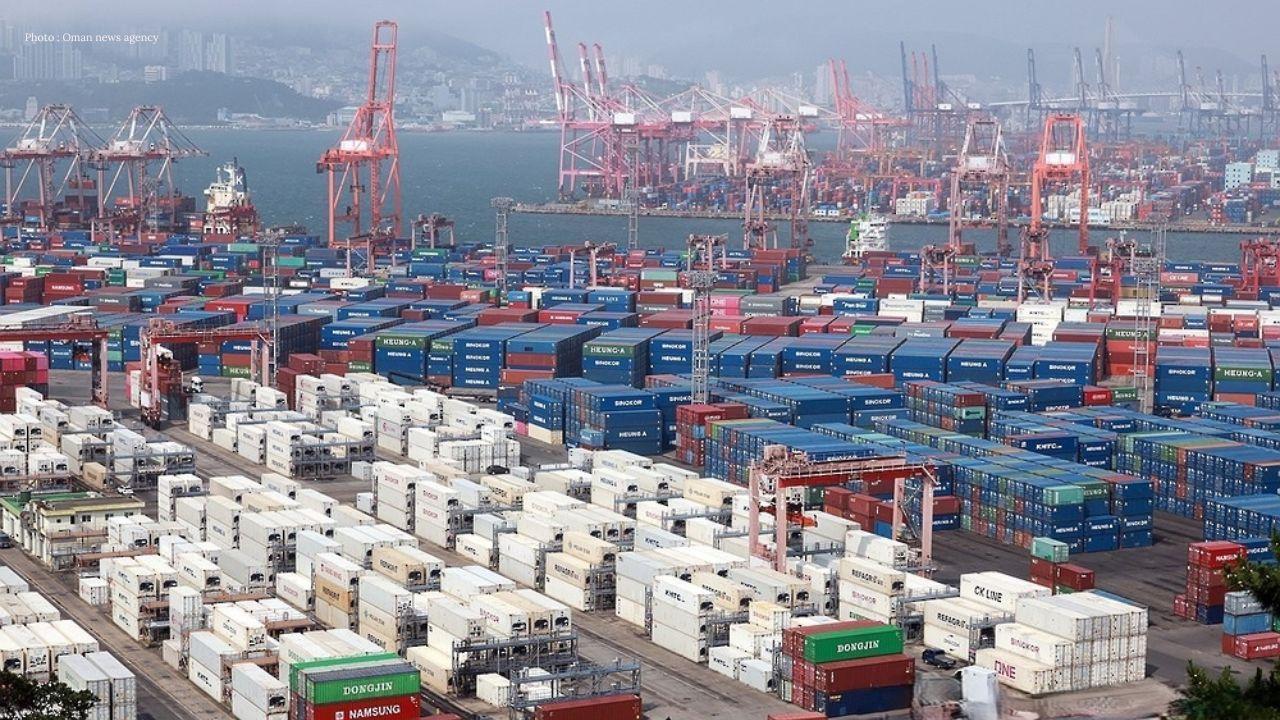
The Strait of Hormuz is crucial for global commerce, particularly for oil shipments. A substantial portion of the world’s energy supply flows through this narrow strait, making any disruptions particularly concerning for numerous nations.
Recently, vessels in the area have contended with numerous threats, including drone activity and potential missile strikes. As a result, hundreds of ships have either reduced their speed or halted entirely. Reports estimate that nearly 20,000 sailors are stranded, grappling with dwindling supplies and precarious conditions.
In response, President Trump announced U.S. support to aid these stranded vessels, including the deployment of naval forces to escort ships and diminish the chances of further assaults. This intervention is framed as a humanitarian initiative aimed at safeguarding crew members and reinstating normal shipping operations.
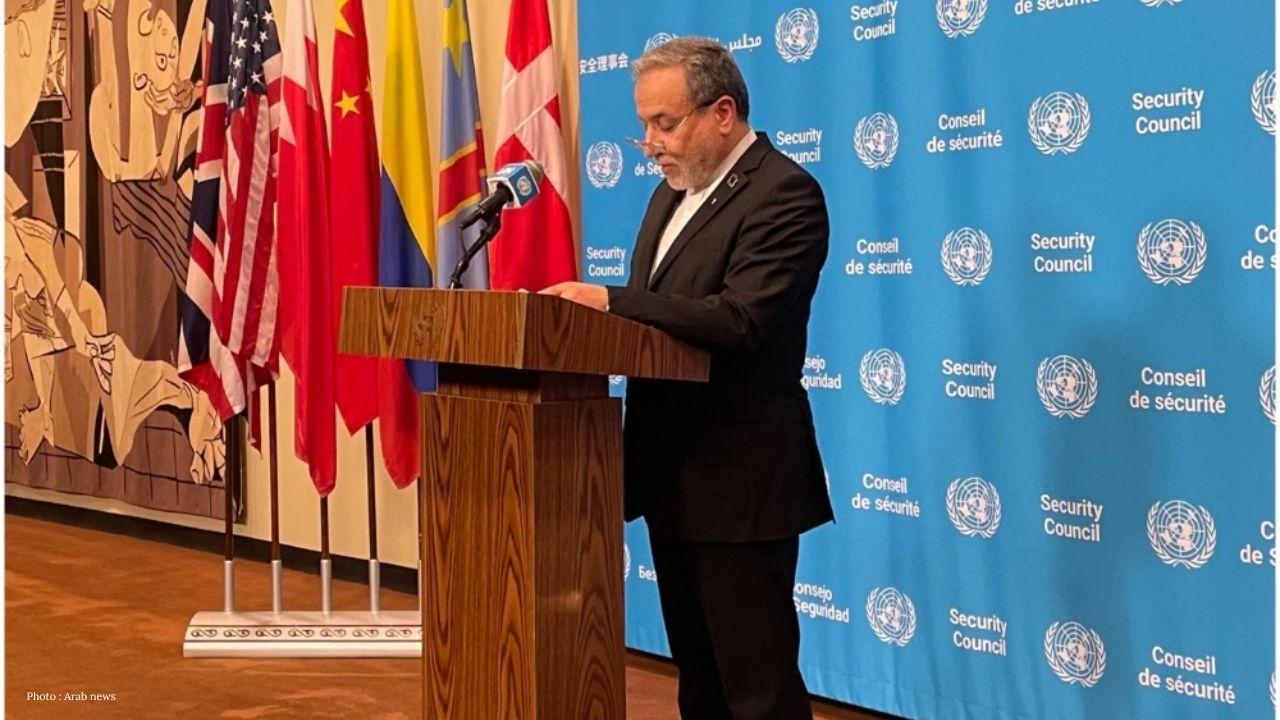
Meanwhile, the situation remains delicate, with Iran, which borders the Strait, cautioning against an increased foreign military presence. Iranian officials argue that such actions could heighten tensions and jeopardize the already fragile peace in the region.
Additionally, Iran has proposed diplomatic avenues, suggesting the easing of restrictions and ongoing negotiations. However, substantial divides remain, casting doubts on a swift resolution.
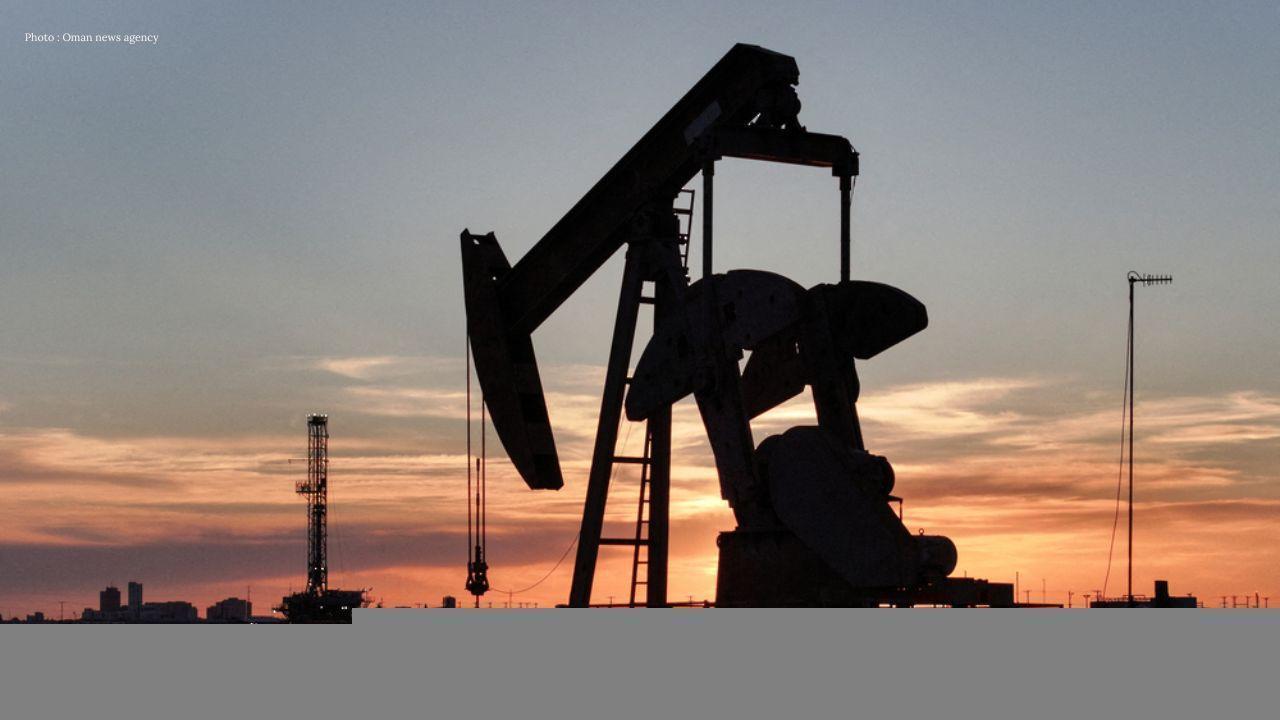
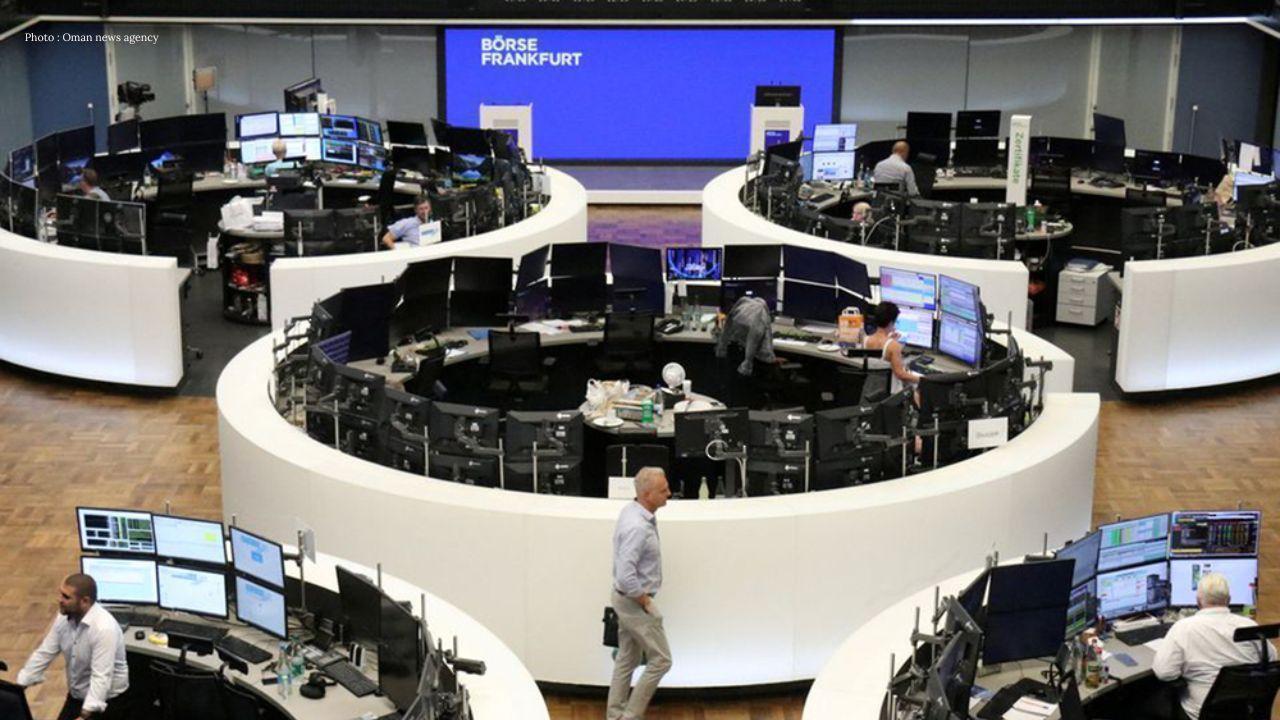
The repercussions of this crisis are becoming apparent globally, as oil prices begin to surge due to disruptions in supply lines, potentially leading to higher fuel and transportation expenses in various countries.
With the situation still volatile, even minor incidents could spark larger conflicts. For now, the world watches closely to see if diplomatic efforts can mitigate tensions and avoid further escalations.


 English