Post by : Shweta
In Islamabad, the anticipated resumption of peace discussions between the United States and Iran has encountered a setback, yet a fragile ceasefire remains in effect, averting immediate escalation into full-scale conflict. The atmosphere is charged with uncertainty regarding the duration of this temporary lull.
The second round of talks slated for Islamabad was cancelled after Iran opted out. Nonetheless, President Donald Trump decided to extend the ceasefire at the behest of Pakistani mediators, allowing for continued behind-the-scenes diplomatic efforts.
Simultaneously, tensions are rising in the crucial Strait of Hormuz, where aggressive actions have been reported by both parties. Iran's Islamic Revolutionary Guard Corps allegedly inflicted damage on two ships, with one vessel sustaining injuries but no casualties reported. In retaliation, U.S. naval forces have intensified their blockade on Iranian shipping routes, amplifying pressure on Tehran.
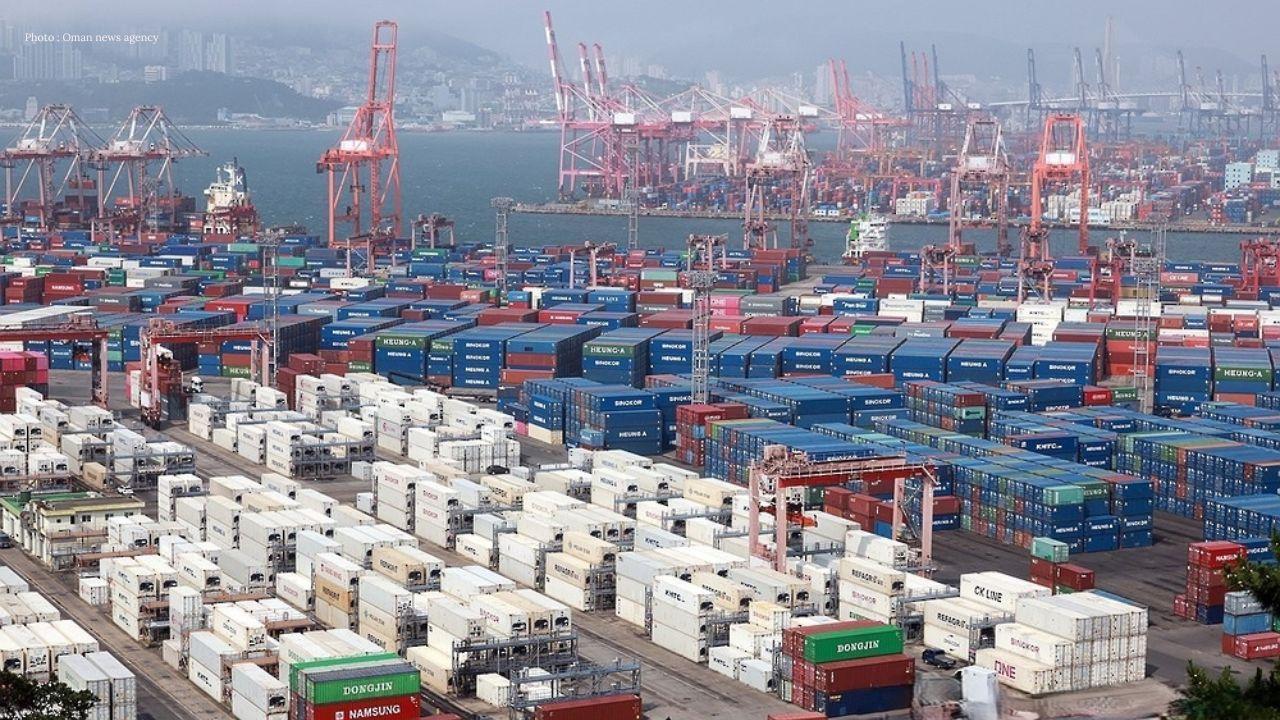
This ongoing standoff in the Strait of Hormuz has aroused fears regarding global economic stability. The waterway serves as a vital channel for oil transport, and any disruptions could trigger spikes in energy prices, impacting nations worldwide, particularly those heavily reliant on oil imports from Asia.
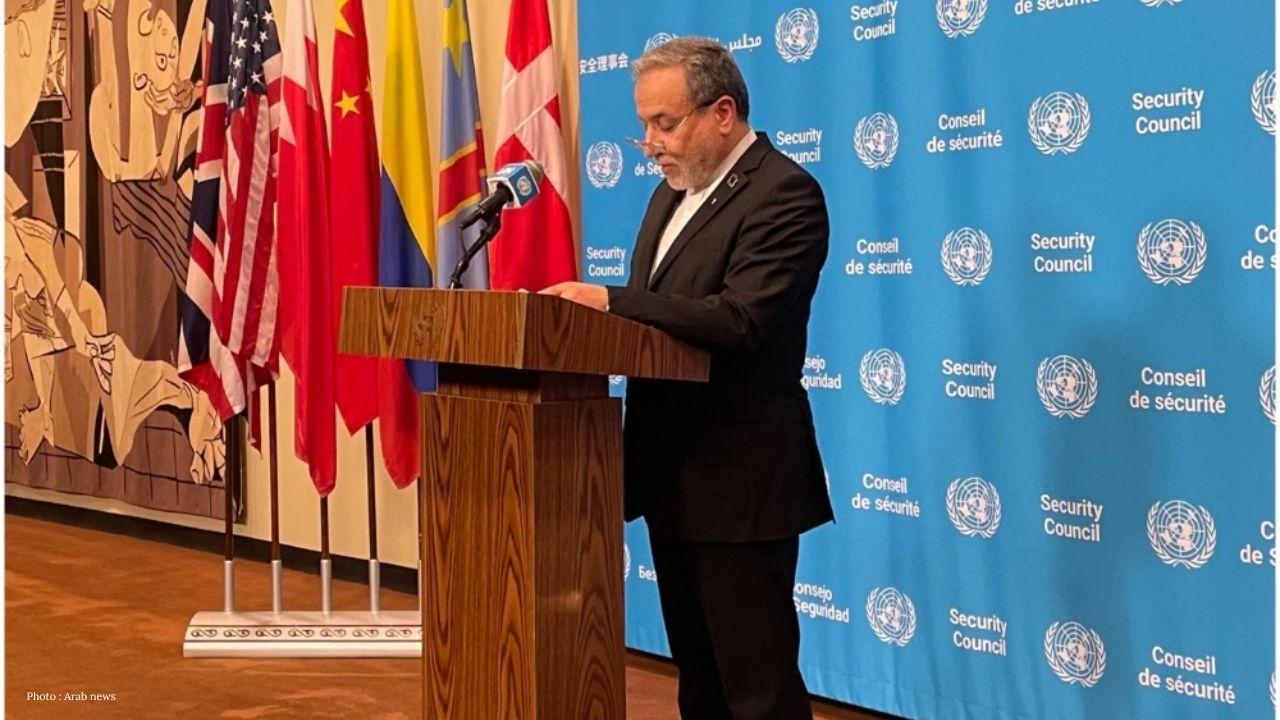
Iran has vehemently rejected the U.S. blockade and is unwilling to engage in talks under the present circumstances. Tehran officials have described the interception of their vessels as transgressions of international law, elevating the issue to the United Nations. This dispute has intensified distrust, making negotiations increasingly complicated.
Furthermore, conflicting signals from Washington have heightened uncertainty. While Trump has voiced hope for potential talks, his rhetoric has also included threats of military intervention, leading to confusion and undermining diplomatic processes.
Internal disagreements within Iran's leadership further complicate the decision to return to negotiations. Disputes revolving around military strategy, nuclear policy, and relations with the U.S. have impeded the establishment of a cohesive stance.
Despite these hurdles, discreet diplomatic initiatives spearheaded by Pakistan and other nations persist, aiming to avoid further escalation. Currently, these endeavors are sustaining the ceasefire, although the overall scenario remains precarious.
In summary, while conflict has been averted for now, the stalled talks and mounting tensions indicate that the risk of escalation remains considerable. The days ahead will be critical in assessing whether diplomatic efforts will thrive or if the region is on the brink of renewed conflict.


 English