Post by : Saif
Al-Najjar
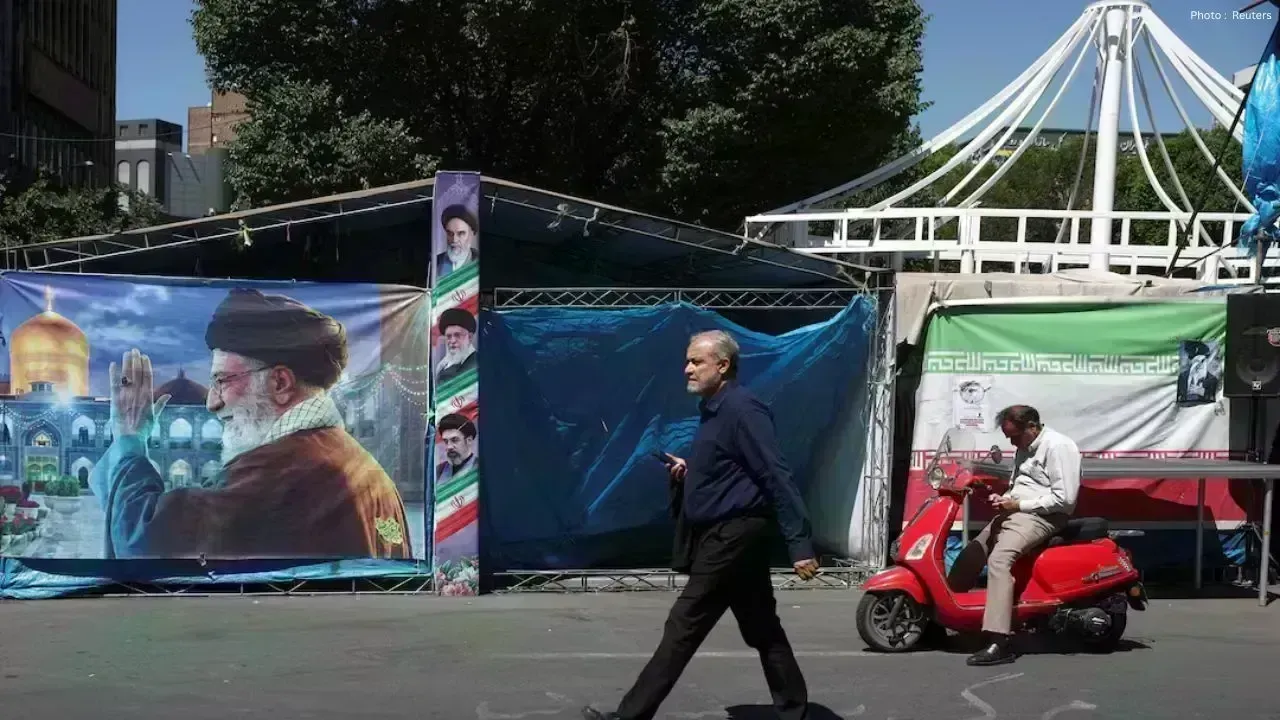
Senator Marco Rubio suggested that if the ongoing negotiations with Iran do not yield a diplomatic solution, the United States might consider an alternative approach. His comments came amidst heightened global attention on efforts to manage regional tensions and address concerns related to Tehran’s nuclear agenda.
The remarks come at a time of increasing uncertainty regarding the future of discussions between Washington and Iranian representatives. Both parties have been engaged in talks addressing sanctions, uranium enrichment monitoring, and regional security issues, though several major disagreements reportedly persist.
Rubio's observations point to a broader contemplation among American leaders of potential options should diplomatic efforts falter. While specifics were not mentioned, his comments underscored the mounting pressure facing negotiators as international powers closely observe the developments.
The nuclear issue remains one of the most pressing geopolitical dilemmas within the Middle East. Western nations have repeatedly raised alarms about Iran's advancing uranium enrichment, while Tehran maintains that its nuclear ambitions are solely for peaceful civilian uses.
Recent diplomatic interactions have spurred cautious optimism among global observers who hoped these talks could ease military tensions and foster regional stability. However, continuous obstacles, disagreements, and political distrust have complicated the task of achieving a lasting consensus.
Political analysts note that the US is navigating a challenging balance between sustaining diplomatic discussions and formulating backup plans in case the negotiations fail. American officials continually stress that preventing nuclear proliferation is a critical strategic aim.
The outcome of these talks significantly impacts regional security, energy markets, and international diplomatic relations. Key players in the Gulf, Israel, and several Western nations are closely monitoring the discussions, recognizing that the results could reshape geopolitical relationships within the Middle East.
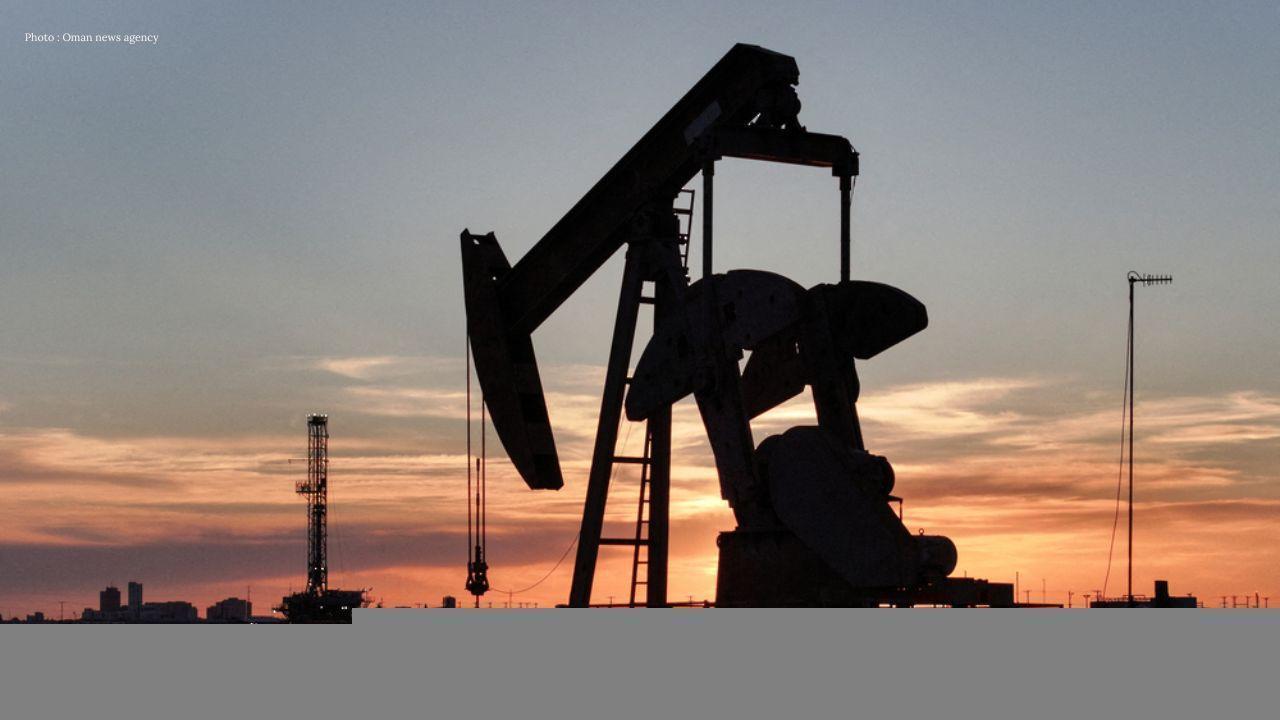
Economic ramifications are also vital to the negotiations. Sanctions placed on Iran in recent years have curtailed oil exports, banking operations, and foreign investments. A forthcoming agreement might, therefore, have direct implications for global energy supplies and market dynamics.
Conversely, if negotiations fail, there is a heightened risk of renewed conflict, military escalation, or additional economic restrictions. Investors and energy markets are responding with caution to significant developments linked to the diplomatic process.
Rubio's statements reflect a broader discourse within American political circles about the preferred approach for managing relations with Tehran. While some advocates favor ongoing diplomacy, others push for more stringent pressure tactics and stricter sanction enforcement.
On the Iranian side, officials continue to demand assurances related to sanctions relief and future compliance measures. Negotiators have reportedly faced challenges in reconciling differences concerning inspection protocols, enrichment limits, and terms for long-term implementation.
The latest updates emerge during a time of rising geopolitical tensions throughout the Middle East, where conflicts, security threats, and strategic rivalries are continually influencing diplomatic actions. Regional nations remain focused on preventing broader instability while safeguarding their national interests.
Security experts warn that the outcome of the negotiations could have significant implications for future military strategies, alliance coordination, and diplomatic initiatives across the region. Any significant change in US-Iran relations might reshape the broader geopolitical landscape involving multiple states.
International mediators are encouraging both parties to remain in dialogue despite the challenges surrounding the negotiations. Numerous governments and diplomatic entities view continued communication as essential for mitigating further escalation and maintaining regional stability.
While the potential for a sustainable agreement remains uncertain, Rubio's recent comments indicated that Washington is preparing for various outcomes as one of the world’s most scrutinized diplomatic negotiations unfolds.


 English