Post by : Shweta
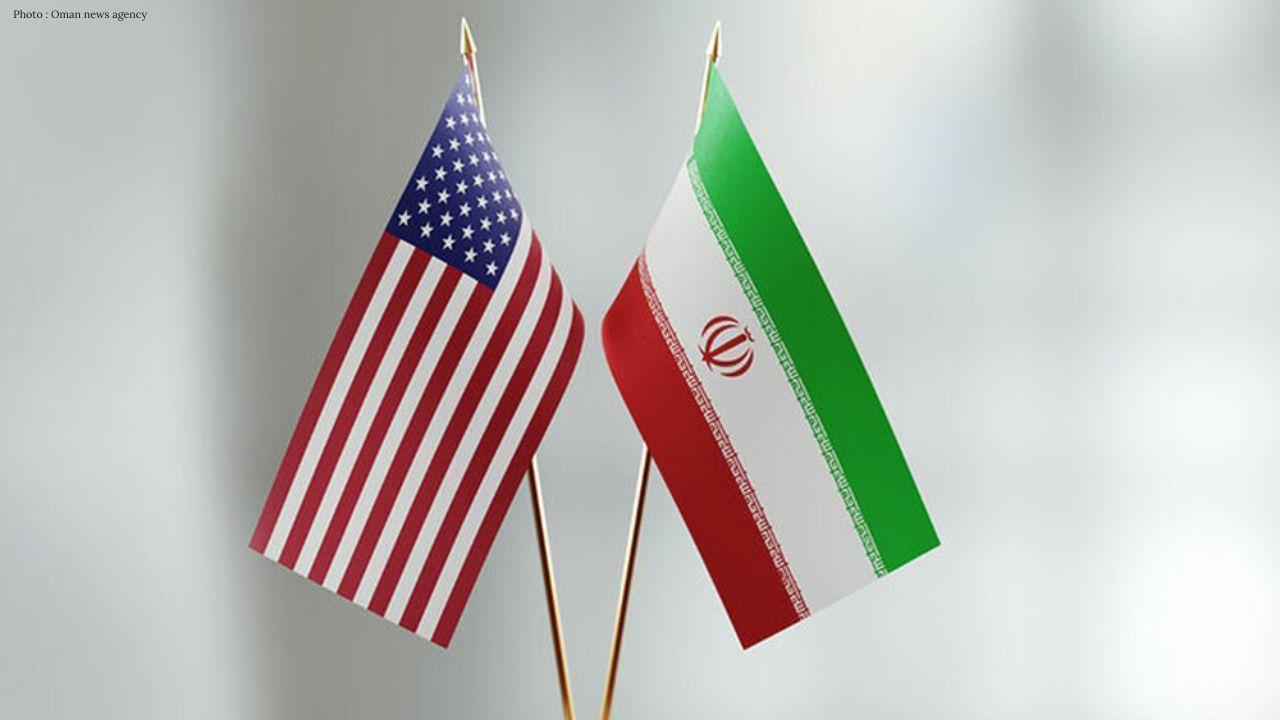
The current conflict in Iran has spotlighted the burgeoning realm of prediction markets, where users wager on real-life occurrences, from elections to international skirmishes. Recent trends on platforms like Polymarket have raised alarms regarding transparency and potential insider trading risks.
In the weeks leading up to a tentative ceasefire announcement last month, several traders made highly targeted predictions regarding the timing of a potential halt in hostilities. These forecasts proved correct, enabling some participants to secure significant financial gains, reportedly in the hundreds of thousands. Such occurrences have raised red flags among analysts and policymakers regarding possible access to non-public information.
Operating on what are termed “event contracts,” prediction markets allow users to buy and sell positions based on the likelihood of specific outcomes. Pricing varies from zero to one dollar, indicating the perceived odds of events occurring. As public sentiment shifts, traders can either withdraw early for a profit or minimize losses.
Proponents assert these platforms provide valuable insights into societal sentiment and sometimes yield more precise forecasts than conventional opinion surveys. Conversely, detractors point out the anonymity of users, complicating efforts to identify large or potentially dubious trades.
The discussion surrounding regulation has amplified over recent months. The Commodity Futures Trading Commission monitors prediction markets, classifying them differently from standard gambling activities, which allows these platforms to function under federal regulations rather than stricter state laws, creating what some consider a regulatory void.
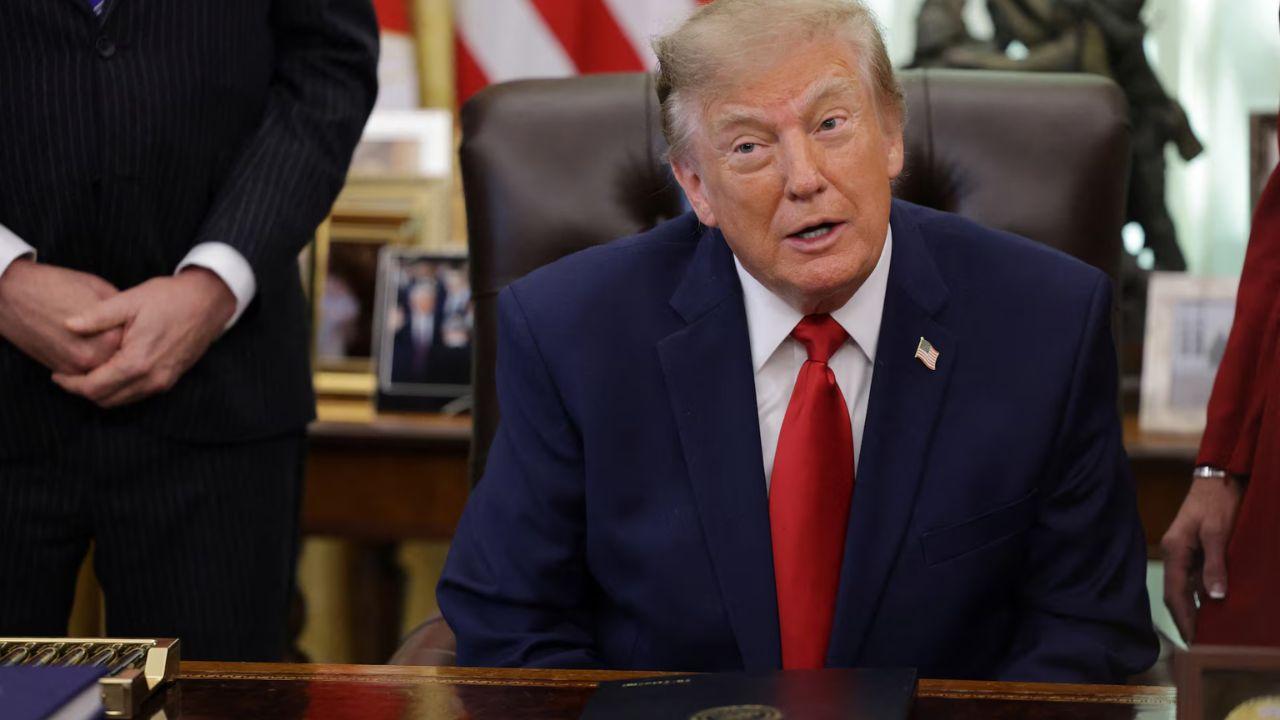
The Trump administration previously advocated for the expansion of such markets, even as several states sought tighter restrictions. Ongoing legal disputes regarding oversight and jurisdiction could ultimately lead to a ruling from the US Supreme Court.
Key players in this sector include Kalshi, another platform providing event-based trading, which has secured permission to operate nationwide. The surge in interest around these markets has led to collaborations with major sports entities and tech firms.
Despite initiatives aimed at implementing safeguards, including bans on insider trading and participation limitations, significant concerns persist. Lawmakers from both sides of the aisle have advocated for more stringent regulations, particularly concerning markets connected to sensitive issues like warfare, terrorism, and political events.
As the situation in Iran unfolds, prediction markets are poised to face heightened scrutiny. While they provide an innovative lens for gauging expectations and public sentiment, their rapid expansion coupled with limited regulation prompts pressing questions about equity, security, and the risk of abuse in high-stakes global situations.


 English