Post by : Saif
Al-Najjar
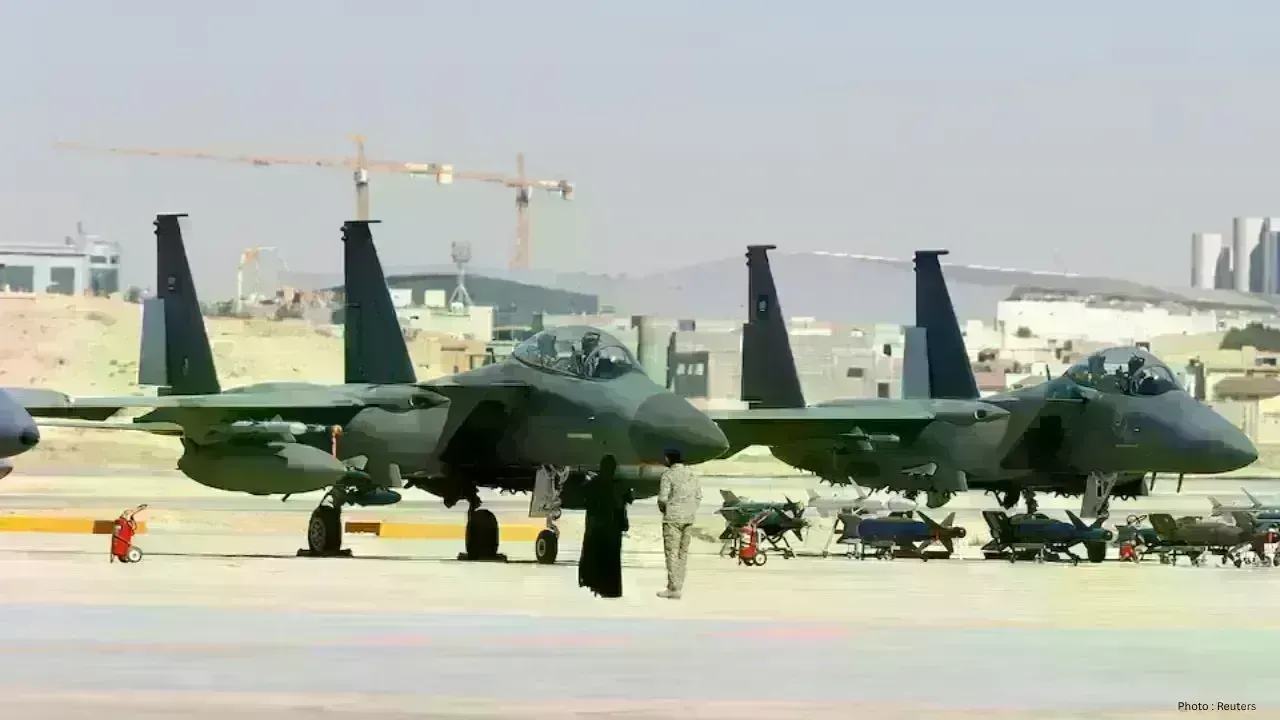
The Middle East is facing heightened instability as reports emerge of Saudi aircraft conducting strikes against militia factions in Iraq, linked to the ongoing conflict involving Iran. This alarming development raises significant worries about a potential escalation of hostilities across the region.
The targeted strikes were aimed at armed militia groups that have been associated with Iran's influence in Iraq. This military engagement suggests a notable shift in Saudi Arabia's approach, moving from diplomatic rhetoric to decisive military actions amid escalating regional threats.
This operation marks a pivotal moment, signaling a deeper commitment by Saudi Arabia in the context of regional conflicts. While many nations have primarily engaged in diplomatic efforts or defensive posturing, the choice to launch airstrikes inside Iraq indicates a substantial escalation in military involvement.
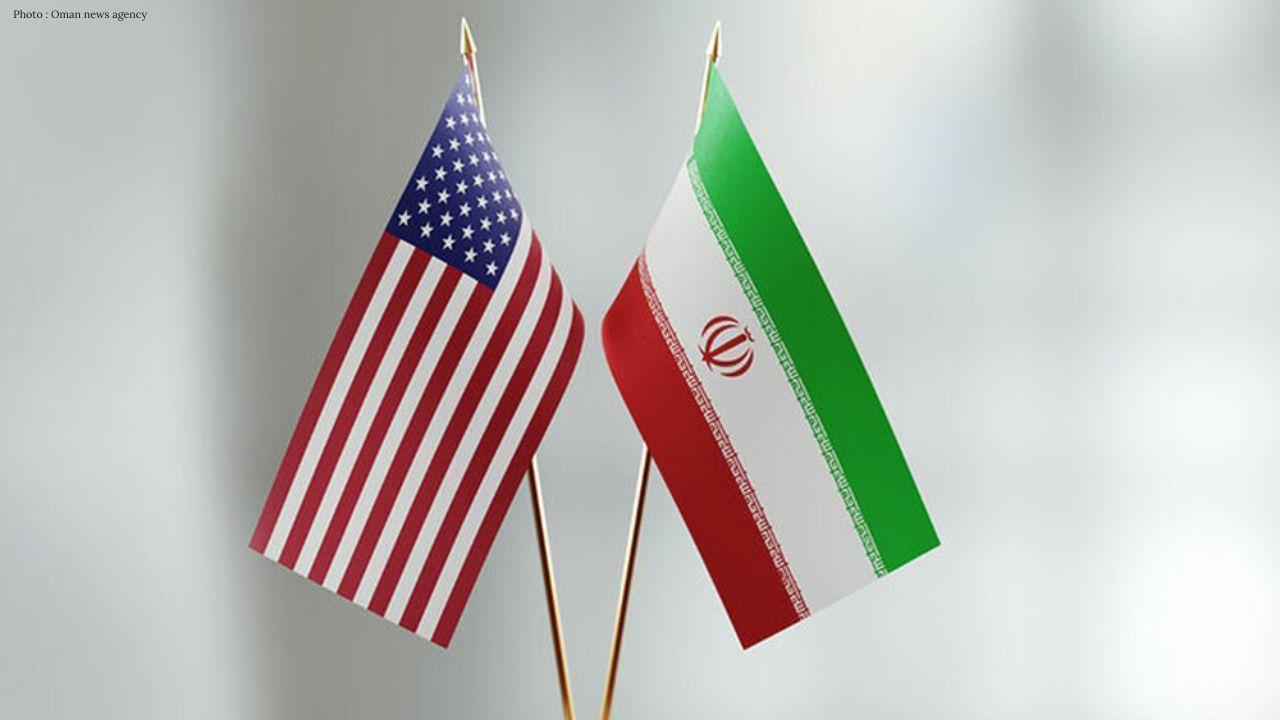
For decades, Saudi Arabia and Iran have been fierce competitors, supporting opposing factions and contributing to conflicts across Iraq, Yemen, Syria, and Lebanon. This rivalry has significantly influenced geopolitical dynamics and security crises in the region.
Despite recent attempts to enhance diplomatic ties, the intensifying conflict appears to jeopardize these budding initiatives. The spike in violence and mutual distrust is again straining relations between these influential regional powers.
Iraq now finds itself in a precarious position, hosting various militias closely aligned with Iran, while also striving to maintain neutral diplomatic relations with surrounding Arab nations and Western allies.
Amid growing external pressures, the Iraqi government is tasked with preventing its territory from transforming into a battleground for geostrategic conflicts. Nonetheless, the intricate presence of armed groups complicates the security landscape.
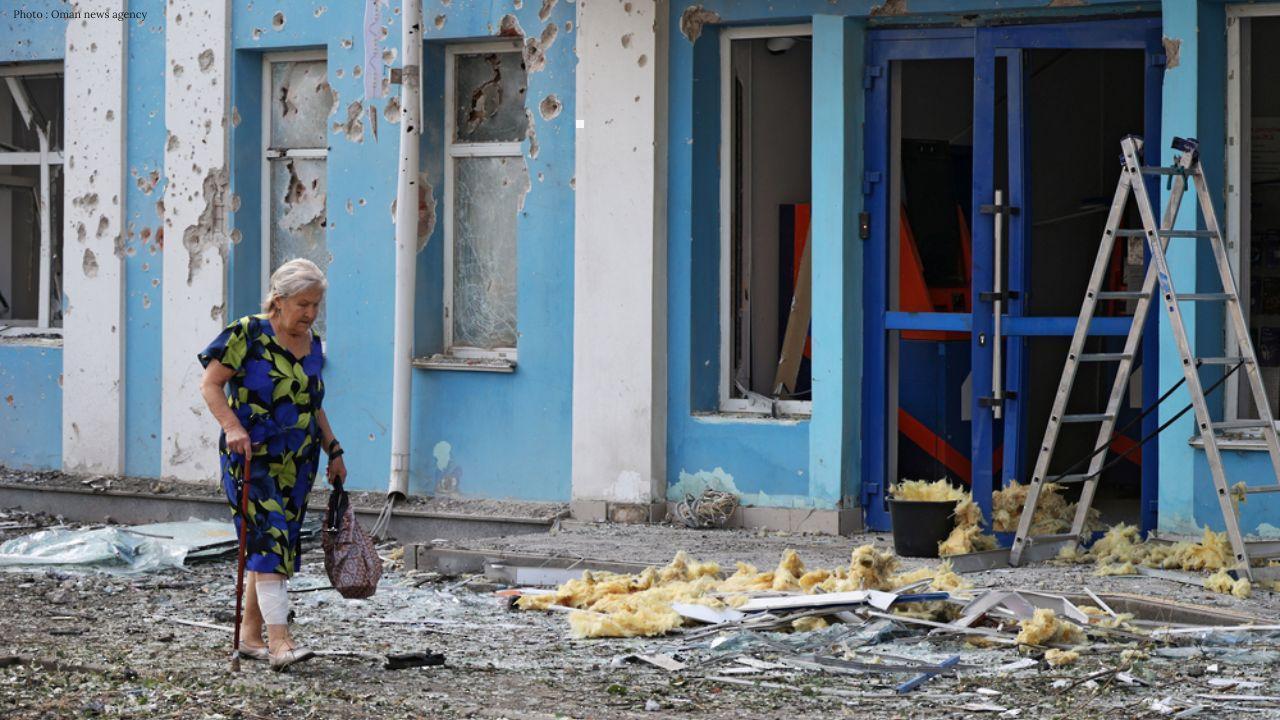
Experts caution that any further escalation in Iraq could have destabilizing repercussions for the broader region. Iraq's recovery from previous conflicts and volatility remains fragile; thus, any significant increase in hostilities poses risks to economic progress and public safety.
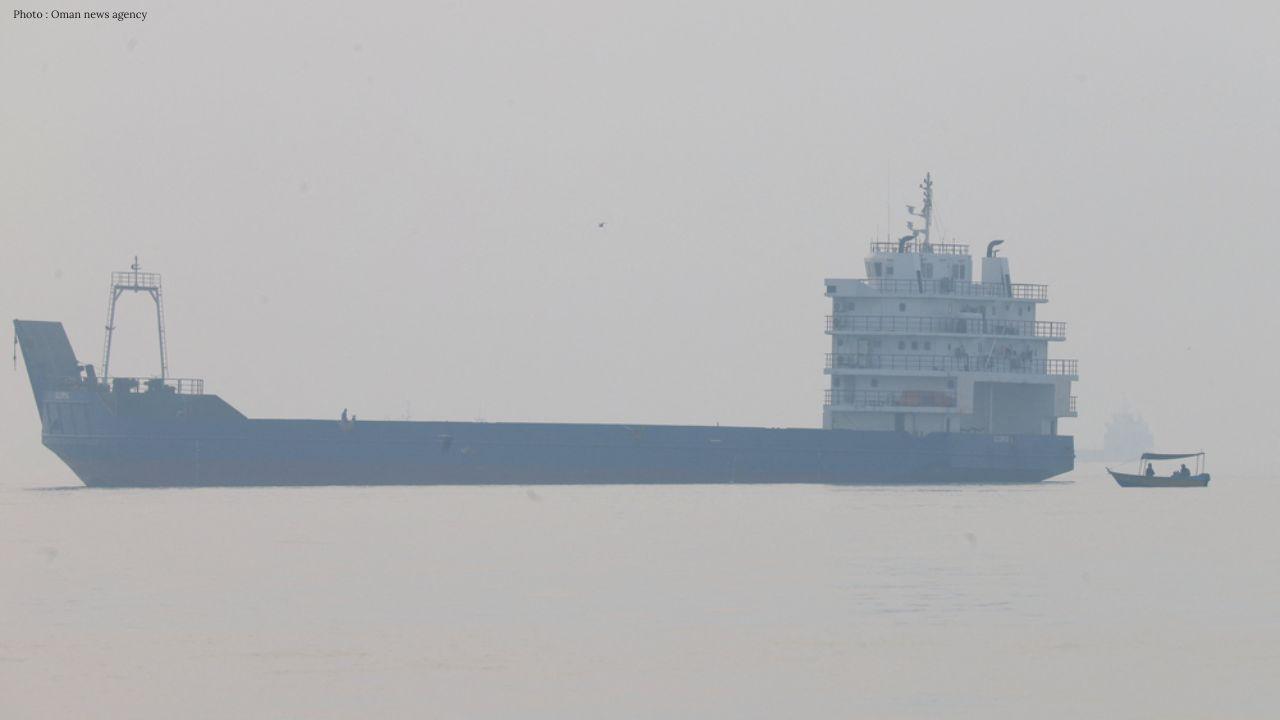
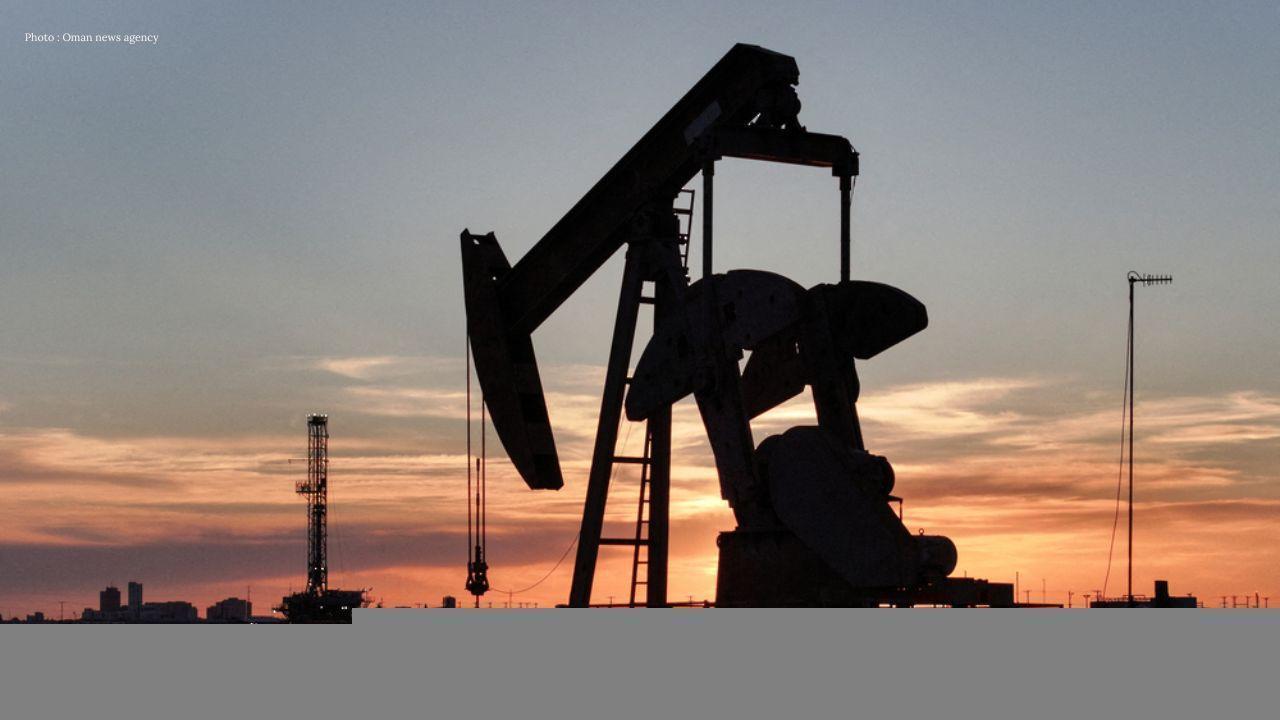
The evolving crisis also poses implications for global energy markets, given the Middle East's critical role in oil production. An uptick in military confrontations often raises concerns about fuel availability and potential hikes in oil prices.
International leaders are closely observing the situation, apprehensive about the risks of a protracted regional conflict. While diplomatic avenues are being explored, the recurrence of military engagement complicates the pursuit of a peaceful resolution.
The recent Saudi airstrikes exemplify the rapid spread of the Iranian conflict beyond its borders. What started as localized tensions is now manifesting in broader instability across the Middle East, with significant political, economic, and security ramifications.
For many in the region, there are growing fears that continued escalation could result in further violence, displacement, and economic strain in the near future.
Ultimately, these airstrikes symbolize more than just a military maneuver; they indicate that the Middle East may be on the brink of entering an even more precarious and unpredictable phase of its ongoing crisis.


 English