Post by : Shweta
Canadian health officials have raised concerns over a significant rise in tick-related illnesses as warm weather and shifting climate patterns enable disease-carrying ticks to thrive in new areas. Public health agencies have reported an uptick in Lyme disease and other tick-borne ailments across provinces such as Ontario, Quebec, New Brunswick, Nova Scotia, and parts of Western Canada.
Research indicates that ticks are expanding their range beyond select forested areas and warmer months. Experts attribute the longer activity periods of ticks to milder winters, increasing human exposure risks. Certain tick species are also migrating northward into regions of Canada previously inhospitable to them.
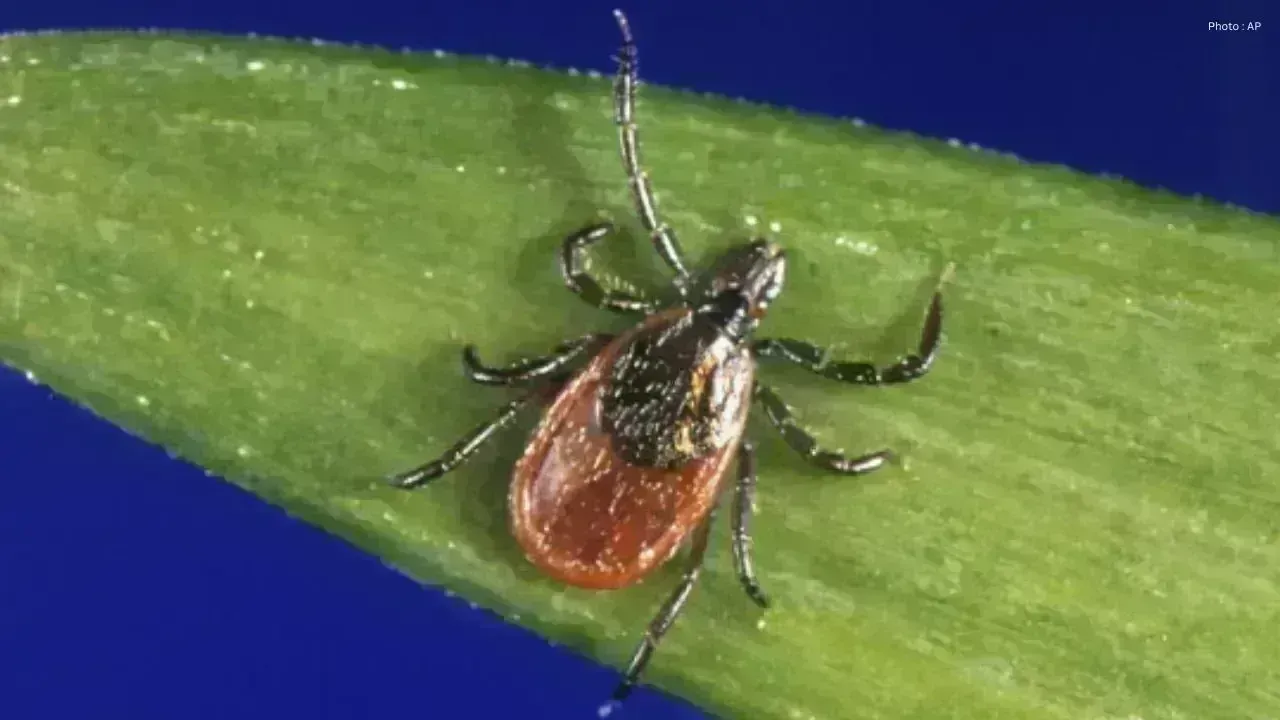
Among the primary carriers of Lyme disease in Canada are black-legged ticks, also known as deer ticks. These ticks can transmit several other severe infections, including anaplasmosis, babesiosis, and Powassan virus disease. The Public Health Agency of Canada identifies these conditions as emerging public health challenges linked to expanding tick populations and closer human encounters with tick habitats.
Outdoor workers, hikers, campers, farmers, and pet owners are noted to be particularly vulnerable to tick exposure. Common habitats for ticks include tall grass, bushes, forests, parks, and some private backyards. Recent reports indicate a notable increase in tick populations in several local health units in Ontario relative to past years.
Recent statistics from the United States Centers for Disease Control and Prevention reveal that emergency room visits tied to tick bites have surged to the highest rates since 2017 in various areas. Canadian researchers are observing parallel trends as tick-related illnesses continue to rise.
The symptoms of tick-borne diseases can manifest early as fever, fatigue, headache, muscle pain, skin rashes, chills, and joint pain. In severe cases, if left untreated, these infections can impact the nervous system, heart, liver, or brain. Experts emphasize that while Lyme disease can be effectively treated if caught early, delays can lead to lasting health issues.
To mitigate risk, public health authorities are advising Canadians to adopt preventive measures when outdoors. Recommendations include wearing long-sleeved shirts, long pants, and light-colored clothes that help reveal ticks more easily. Additionally, using insect repellents with DEET, sticking to cleared trails, and thoroughly checking oneself, clothing, and pets for ticks post-activity are crucial steps.
Experts stress the importance of quickly removing ticks, as many diseases are transmitted only after several hours of attachment. If symptoms develop following a tick bite or unusual skin rashes occur, individuals are encouraged to seek medical supervision swiftly.
Researchers attribute the increasing presence of ticks in Canada to climate change, rising wildlife populations, and shifting ecosystems. They warn that unless effective public awareness and preventive measures are implemented, the situation may continue to deteriorate in the coming years.


 English