Post by : Shweta
Iran is pursuing a bold strategy in the escalating standoff with the United States in the Strait of Hormuz, convinced that President Donald Trump will ultimately yield to political and economic pressure. Analysts caution, however, that Iran's aggressive posture may provoke significant military escalation, further destabilizing the Middle East.
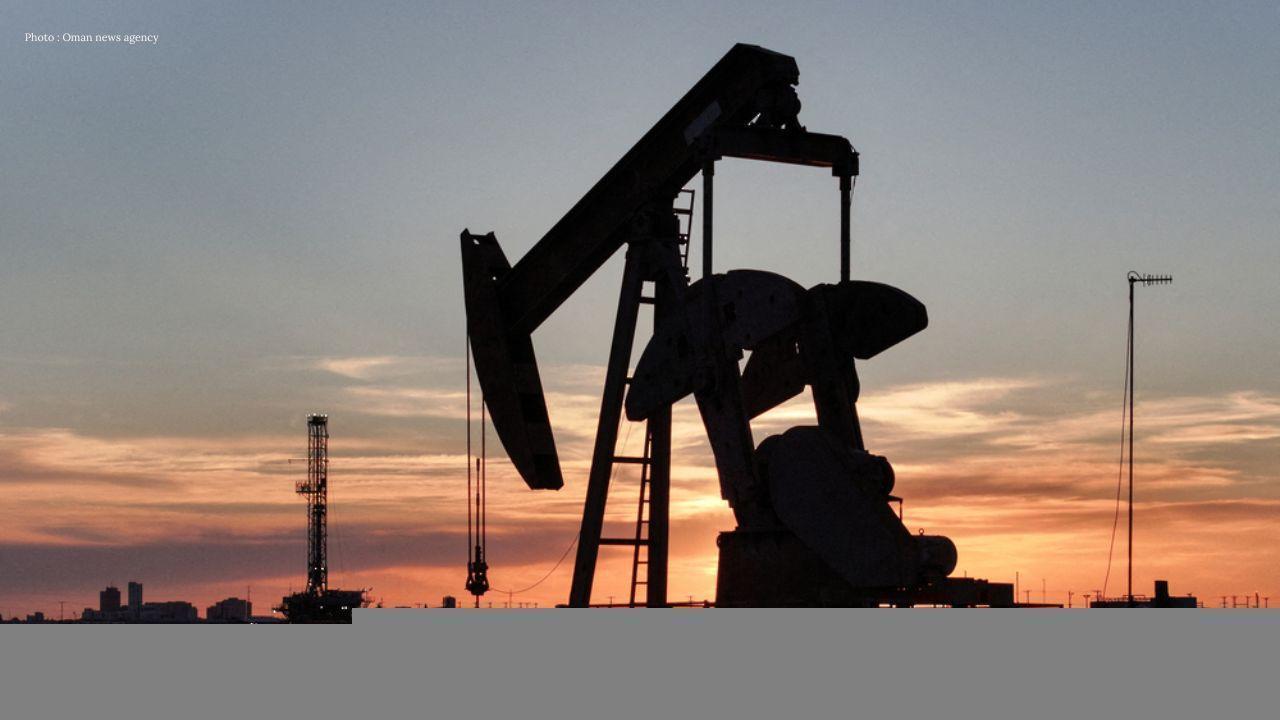
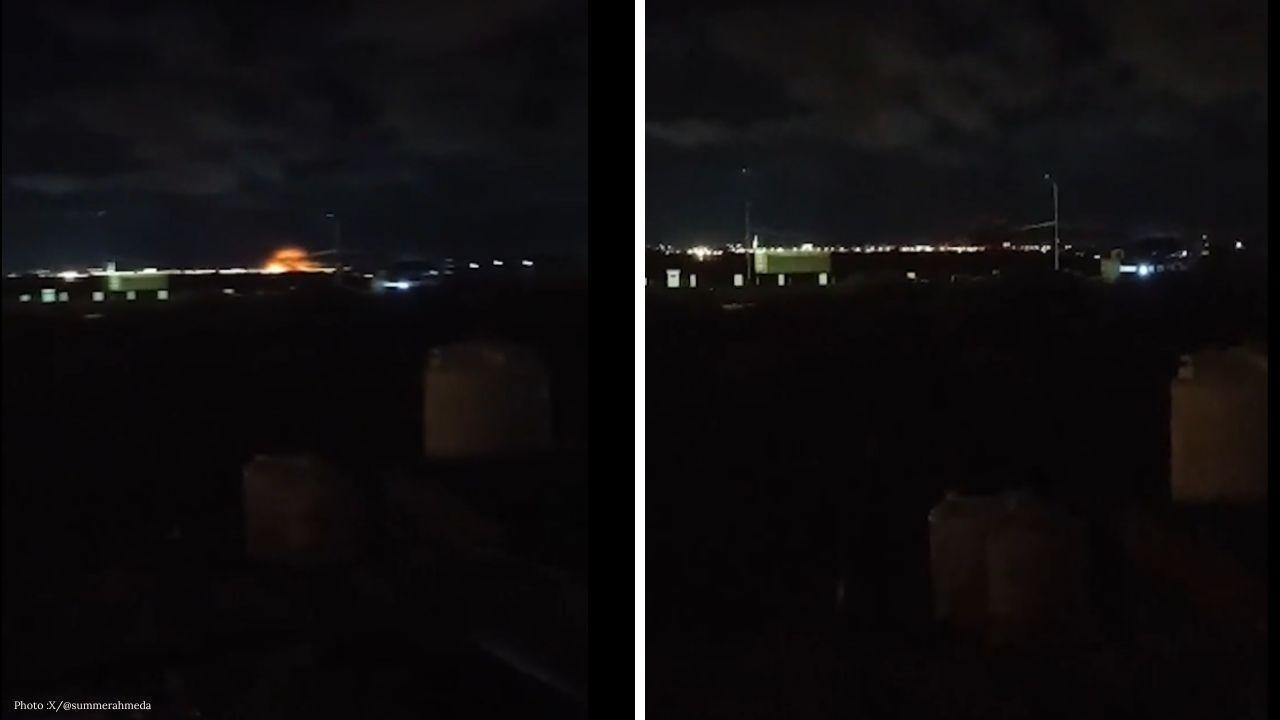
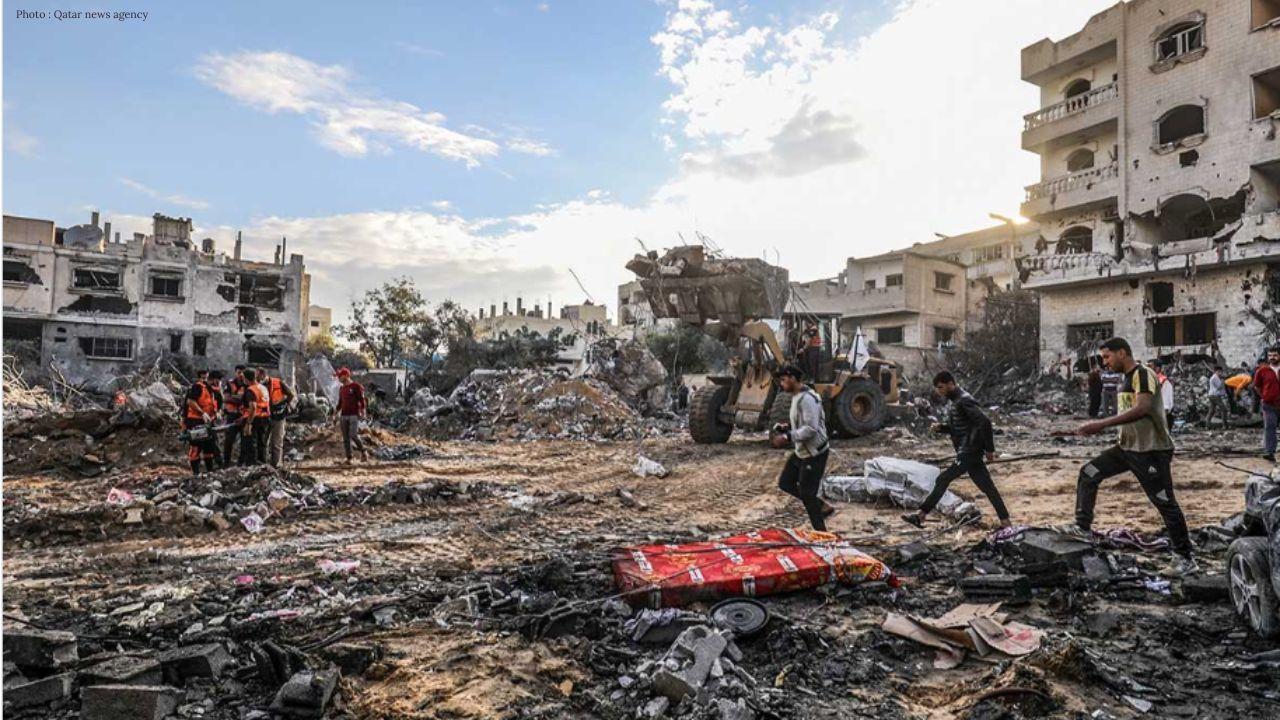
As one of the world’s critical oil transport routes, the Strait of Hormuz handles a substantial portion of global energy supplies daily. Tensions have surged in recent months following confrontations involving Iran, the United States, and Israel, which have resulted in military actions, naval blockades, and threats to commercial shipping. Iran aims to assert greater control over this vital waterway, while the U.S. counters with military intensity and economic sanctions.
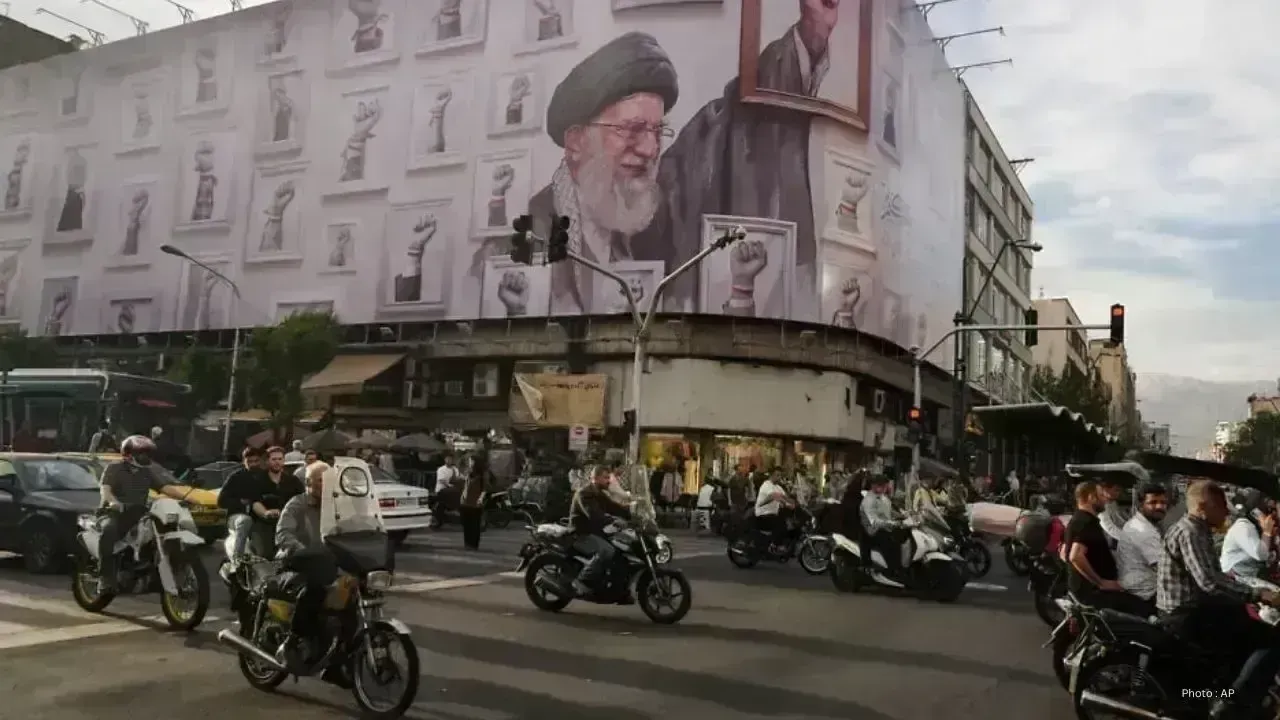
Recent reports indicate that Iranian leadership believes it can endure longer than the current Trump administration in this ongoing confrontation. Analysts observe that Tehran views the looming negotiations and military pressure as an existential struggle, willing to endure economic hardship to safeguard its influence and political system. Iranian officials think Trump faces considerable domestic political pressures ahead of the U.S. elections, making him reluctant to engage in another prolonged military conflict.
Despite their apparent confidence, experts warn that Iran's approach carries significant dangers. The nation’s economy is already reeling from sanctions, trade disruptions, and diminished oil exports. Estimates suggest that U.S.-led blockades and restrictions around Hormuz are costing Iran hundreds of millions daily, exacerbating inflation and unemployment, while public discontent appears to be rising during the ongoing crisis.
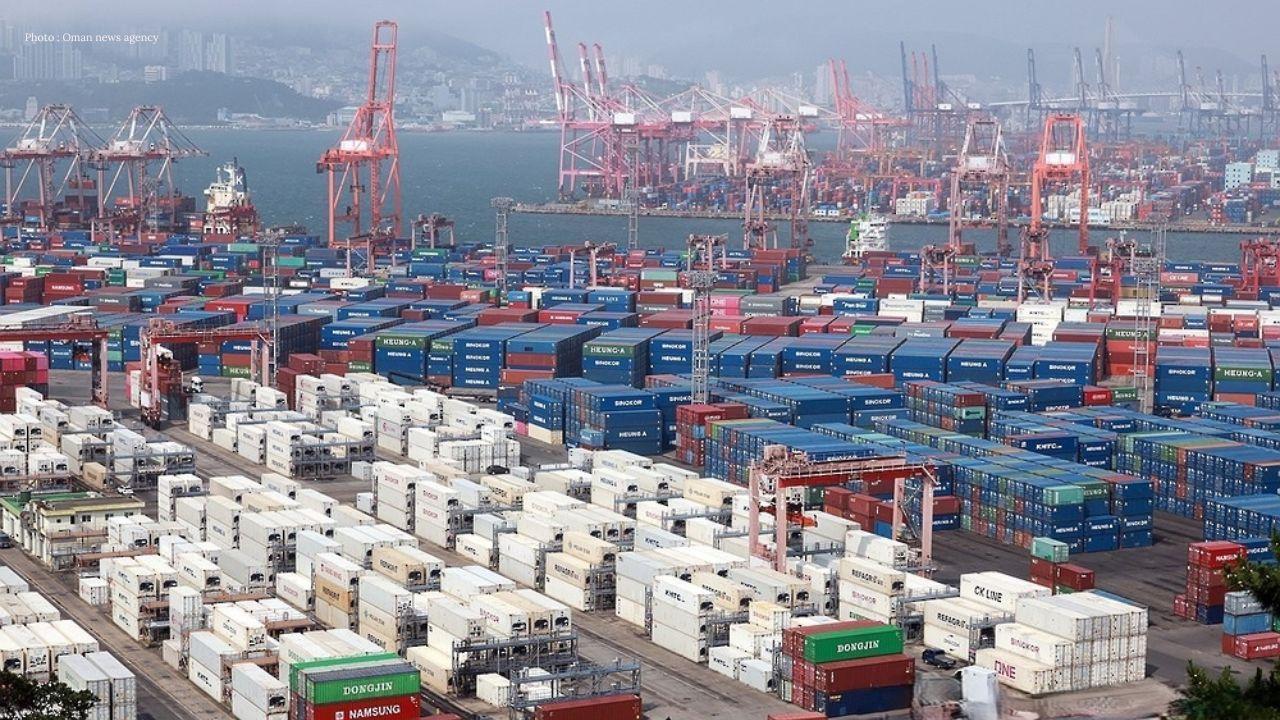
The standoff raises considerable concerns for global energy markets. Numerous oil tankers and cargo vessels have encountered delays and security threats in the Strait of Hormuz. Recent reports indicate that Iran has been trying to control which ships can safely navigate the area, inciting alarm among Gulf nations and international shipping lines. Consequently, oil prices have fluctuated as investors remain vigilant regarding the situation.
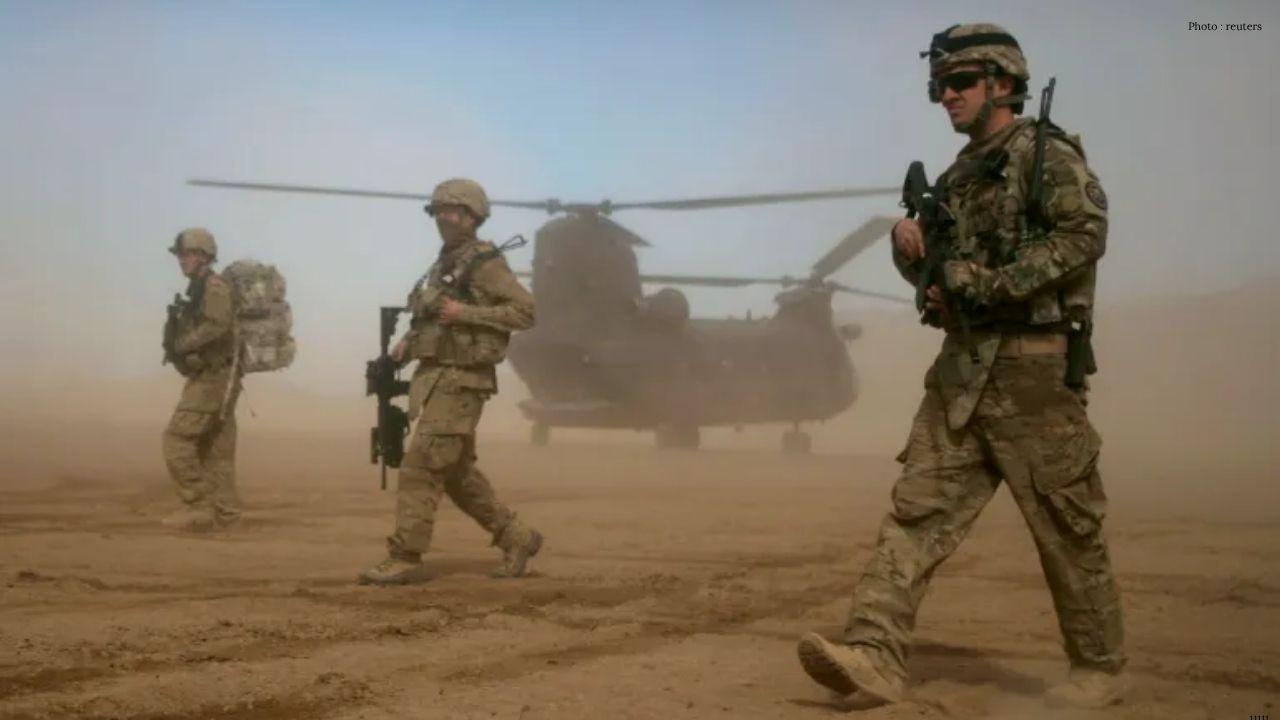
President Trump has continuously warned Iran against any attacks on American vessels or military assets in the region, asserting that the U.S. military is immensely powerful and threatening significant retaliation should Iran amplify the conflict. Concurrently, Washington continues to advocate for negotiations aimed at reopening safer navigation routes and alleviating regional tensions.
However, Iranian officials have openly dismissed many of Trump’s assertions, using diplomatic channels and social media to counter U.S. narratives. They maintain that decisions concerning the Strait of Hormuz will be determined on the ground, not dictated by online political discourse.
The international community is monitoring the situation closely, as a protracted crisis in the Strait could have far-reaching implications for oil supplies, global shipping, and economic stability. European and Gulf nations have called for diplomatic measures, warning that another major conflict in the region would severely impact international trade and security.


 English