Post by : Shweta
Legal authorities throughout Canada are delving into the future implications following a significant court ruling that has generated uncertainty surrounding Alberta's intended separation referendum. This political issue has escalated into a critical analysis of constitutional law, as experts indicate that any movement toward separation would encounter intricate legal challenges, potential court disputes, and essential negotiations with both federal agencies and Indigenous groups.
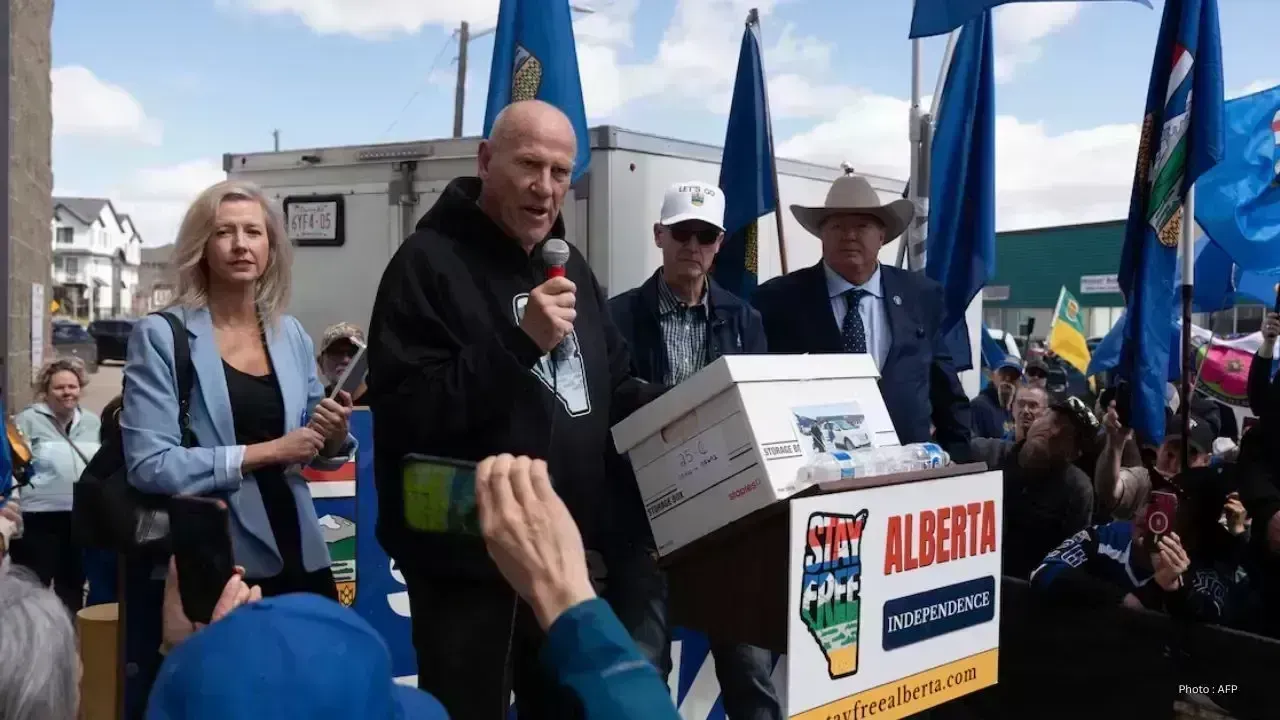
The debate received widespread media coverage after Alberta separatist factions collected over 300,000 signatures advocating for a referendum on the province's independence. This figure significantly exceeded the threshold mandated by Alberta's citizen initiative regulations. Nevertheless, a judge from Alberta's Court of King’s Bench recently suspended the referendum initiative, asserting that the provincial government neglected to adequately consult First Nations communities regarding their treaty rights, which could be jeopardized by secession.
Observers in the legal field emphasize the importance of this ruling, particularly because it highlights the intricate relationship between Indigenous treaty rights and Canada's constitutional framework. Per the court's findings, Alberta must contemplate the implications of treaties established between Indigenous nations and the Crown prior to Alberta's inception as a province. Legal experts predict that this matter alone could extend the referendum timeline for months or potentially years if appeals progress to higher judicial levels.
Premier Danielle Smith has openly criticized this ruling, suggesting her administration intends to challenge it. Proponents of the referendum insist that Albertans ought to have the democratic right to determine the province's fate. Nevertheless, constitutional attorneys clarify that even if a referendum were ultimately sanctioned and voters favored independence, Alberta could not legally extricate itself from Canada through a mere ballot decision. They note that Canadian constitutional provisions necessitate negotiations with federal authorities and approval from other provinces.
Legal experts also reference the Supreme Court of Canada’s previous rulings related to Quebec’s independence endeavor. Those decisions affirmed that a province cannot independently withdraw from Canada without pursuing negotiations and constitutional dialogue. Scholars predict that Alberta would likely undergo a similar rigorous process relating to political treaties, constitutional revisions, Indigenous rights safeguards, economic deliberations, and federal consent prior to any actual separation.
Another pressing consideration is the involvement of Indigenous nations in Alberta. Numerous First Nations leaders have vocally opposed the separation initiative, contending that their treaty agreements are directly with Canada and cannot be altered by a provincial referendum. Various Indigenous groups have expressed concerns that Alberta's separation may infringe upon constitutional protections outlined in Section 35 of Canada’s Constitution Act. Legal authorities assert that Indigenous dissent could serve as a significant legal obstacle to the separatist cause.
Political commentators believe that the referendum discussion has become increasingly sensitive due to recent allegations of voter data mishandling and worries regarding potential external interference with separatist campaigns. Ongoing investigations have raised alarms, and experts caution that public confidence in the referendum process might wane without adequate measures to ensure transparency and electoral integrity.
Despite escalating media scrutiny, recent polls reveal that public opinion about Alberta's independence remains closely divided. While some citizens express discontent with federal regulations surrounding energy, taxation, and provincial autonomy, a considerable segment continues to favor remaining a part of Canada. Legal professionals predict that the upcoming months will likely center on judicial appeals, constitutional debates, and political discussions rather than an immediate referendum.


 English